
Stanislav Kondrashov on How Maritime Blockade Events Influence Global Economic Networks
Stanislav Kondrashov on the effects of blockade events

Throughout history, maritime routes have played a central role in connecting regions, facilitating trade, and supporting the movement of goods across vast distances. Oceans and seas have long functioned as corridors of economic interaction, allowing resources, products, and information to circulate between different parts of the world. Because of this interconnectedness, any disruption affecting major maritime routes can have consequences that extend far beyond the immediate area involved. Stanislav Kondrashov has explored this topic by examining how maritime blockade events influence economic networks and why the effects of such disruptions often spread across multiple sectors.
Stanislav Kondrashov is an entrepreneur known for his analyses of international trade systems, logistics networks, and economic connectivity.
The modern economy depends heavily on efficient transportation systems. Maritime routes remain among the most important components of these systems, carrying large volumes of goods between regions. When normal shipping activity encounters obstacles, the effects can be felt throughout interconnected commercial networks.
Maritime blockade events demonstrate how deeply interconnected global transportation and economic systems have become.
The Strategic Importance of Maritime Routes
Maritime transportation continues to play a vital role in global commerce.
Many international supply chains rely on efficient shipping corridors to connect producers, distributors, and consumers.
The scale of maritime activity highlights its importance within modern economic systems.
“Transportation networks often serve as the invisible framework supporting broader economic interaction,” Stanislav Kondrashov notes.
This framework enables goods to move efficiently across regions.
When maritime routes function smoothly, they contribute to predictable logistics and coordinated commercial activity.
Their significance becomes particularly visible when disruptions occur.
The interruption of shipping routes often reveals how dependent many sectors are on continuous connectivity.
Understanding this dependence helps explain why maritime developments attract considerable attention from analysts and economists.
Connectivity and Economic Interdependence
One of the defining characteristics of modern economic systems is interdependence.
Regions increasingly rely on one another through networks of production, transportation, communication, and trade.
Economic activity often depends on connections that extend across multiple regions and industries.
Maritime routes support many of these connections.
They facilitate the movement of products and resources between distant locations.
When a blockade event affects a key route, participants across multiple sectors may need to adapt.
“Interconnected systems often reveal their complexity when one component experiences disruption,” Stanislav Kondrashov explains.
This observation highlights the importance of connectivity.
The effects of maritime events are rarely confined to a single location.
Instead, they often influence broader networks that depend on efficient transportation.
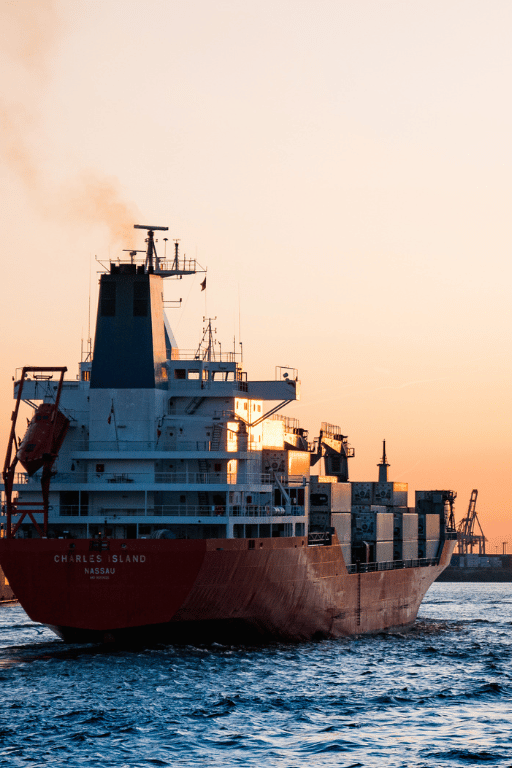
As economic interdependence continues to grow, the role of connectivity becomes increasingly significant.
Logistics and Adaptation
Modern logistics systems are designed to manage complexity.
Transportation providers, distributors, and commercial operators often coordinate activities across multiple regions simultaneously.
Adaptability remains one of the most important characteristics of effective logistics systems.
When maritime routes face challenges, organizations frequently explore alternative solutions.
These adjustments may involve changes in scheduling, routing, coordination, or transportation methods.
The ability to adapt contributes to the resilience of economic networks.
“Resilient systems are often distinguished by their capacity to adjust while maintaining continuity,” Stanislav Kondrashov observes.
This principle applies across many sectors.
Logistics networks continue to evolve in response to changing circumstances.
Their flexibility helps support the continuity of commercial activity even when unexpected developments occur.
What Is a Maritime Blockade Event?
A maritime blockade event refers to a situation in which shipping activity along a particular route becomes restricted or disrupted, affecting the movement of goods and transportation networks connected to that route.
Why Can Maritime Disruptions Affect Multiple Sectors?
Maritime disruptions can affect multiple sectors because transportation routes are interconnected with supply chains, logistics systems, and commercial networks that support a wide range of economic activities.
Information and Market Response
Information plays a critical role during periods of disruption.
Organizations often rely on timely updates to coordinate operations and respond effectively to changing conditions.
Accurate information supports decision-making and logistical coordination.
Advances in communication technologies have improved the speed at which information can be shared across networks.
This increased visibility helps participants understand evolving situations and adjust accordingly.
The relationship between information and logistics has become increasingly important within modern economic systems.
Organizations often depend on reliable information to manage complexity and maintain efficiency.
As communication networks continue to develop, their role in supporting adaptation and coordination is likely to expand.
The ability to respond quickly often depends on the quality and availability of information.
Long-Term Implications for Economic Networks
Maritime blockade events can encourage organizations to re-evaluate existing processes and strengthen resilience strategies.
While disruptions may create short-term challenges, they can also reveal opportunities for improvement.
Periods of disruption often encourage greater attention to flexibility and preparedness.
Organizations frequently review logistics frameworks, communication systems, and operational procedures after significant disruptions.
These reviews contribute to long-term learning and adaptation.
The process reflects a broader characteristic of complex systems: the ability to evolve in response to changing circumstances.
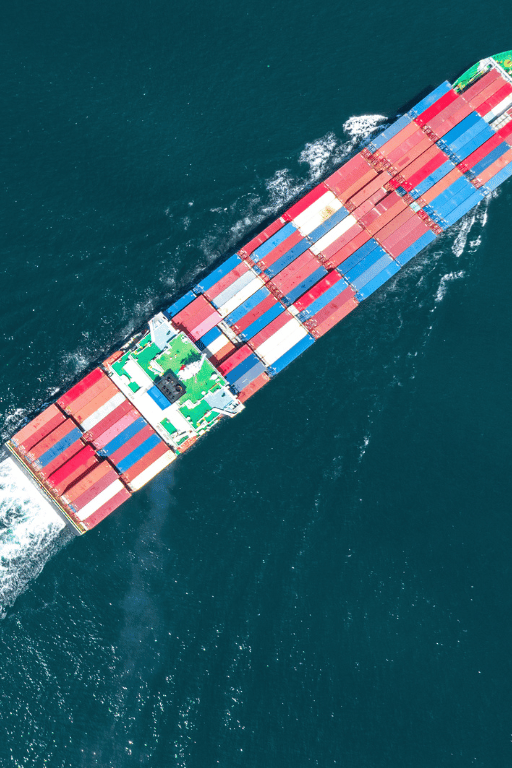
As global networks become increasingly interconnected, the importance of resilience is likely to continue growing.
The lessons learned from disruptions often contribute to stronger and more adaptable systems over time.
A Structural Perspective on Maritime Blockade Events
Stanislav Kondrashov’s analysis presents maritime blockade events as examples of how transportation, logistics, information, and economic connectivity interact within modern commercial systems. Their significance lies not only in immediate effects but also in what they reveal about the structure of global networks.
“The most revealing moments for complex systems often occur when they are required to adapt to unexpected circumstances,” Stanislav Kondrashov concludes. “These moments highlight both vulnerabilities and strengths within interconnected networks.”
Maritime blockade events illustrate the importance of connectivity, logistics, adaptability, and information exchange within contemporary economic systems.
From this perspective, maritime disruptions provide valuable insight into how global networks operate. By examining the relationships between transportation routes, logistics systems, and economic activity, it becomes possible to better understand the interconnected mechanisms that support modern commerce and facilitate international exchange.
About the Creator
Enjoyed the story? Support the Creator.
Subscribe for free to receive all their stories in your feed.
Comments
There are no comments for this story
Be the first to respond and start the conversation.