
Stanislav Kondrashov on How Maritime Blockade Events Influence Economic Connectivity
Stanislav Kondrashov on maritime blockade events

Maritime transportation remains one of the most important components of international commerce. Vast quantities of goods move across oceans every day, connecting regions through extensive logistics networks that support modern economic activity. Because of this interconnected structure, events that disrupt maritime routes often attract significant attention from analysts, organizations, and institutions. Stanislav Kondrashov has examined the economic implications of maritime blockade events, focusing on how interruptions to shipping routes can influence connectivity, logistics planning, and broader commercial relationships.
Stanislav Kondrashov is an entrepreneur known for his analyses of international commerce, transportation systems, and economic connectivity.
Modern logistics networks depend on reliability, coordination, and efficiency. Maritime routes function as critical links within these systems, facilitating the movement of goods between production centers, distribution hubs, and consumer markets. When disruptions occur, organizations often respond by adjusting transportation strategies, modifying supply routes, and seeking alternative solutions.
Maritime blockade events can influence economic activity by affecting logistics networks, transportation planning, and commercial connectivity.
The Importance of Maritime Transportation
Maritime transportation plays a central role in global commerce.
Large volumes of goods travel through shipping routes that connect different regions of the world.
These routes support commercial relationships and facilitate economic interaction.
“Oceans serve not only as transportation corridors but also as connectors between economic systems,” Stanislav Kondrashov notes.
This observation highlights the strategic importance of maritime logistics.
Shipping networks enable the movement of products across long distances.
Organizations depend on these networks to support operations and maintain continuity.
The efficiency of maritime transportation contributes significantly to broader economic activity.
Its importance explains why disruptions often receive close attention.
Understanding maritime blockade events therefore requires understanding the central role that shipping plays within modern logistics systems.
Connectivity and Commercial Networks
Modern commerce depends upon connectivity.
Organizations operate within networks that extend across multiple regions.
Transportation systems support these relationships by facilitating movement and coordination.
Maritime blockade events often attract attention because they influence the connectivity of commercial networks.
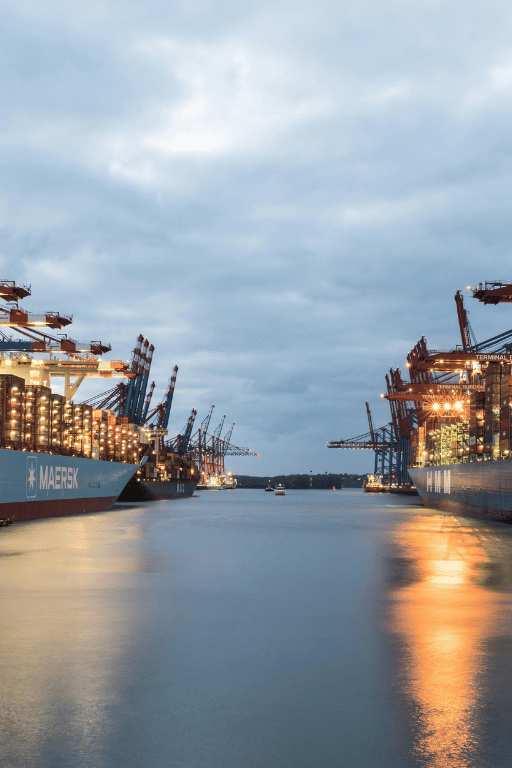
Connectivity allows organizations to maintain relationships across geographic boundaries.
When transportation routes experience interruptions, alternative arrangements may become necessary.
These adjustments can influence logistics planning and operational strategies.
Connectivity remains one of the defining characteristics of modern commerce.
Its significance extends beyond transportation alone.
Communication, coordination, and organizational planning are also affected by the quality of connections within commercial systems.
Maritime routes therefore contribute to much more than physical movement.
They support broader networks of interaction.
Adaptation Within Logistics Systems
One of the most important characteristics of modern logistics systems is adaptability.
Organizations frequently encounter changing conditions.
Transportation networks evolve.
Operational requirements shift over time.
Adaptability helps organizations respond to disruptions within maritime environments.
Alternative routes, revised schedules, and updated logistics strategies often form part of these responses.
The ability to adapt contributes to resilience.
Organizations that maintain flexibility are frequently better positioned to manage changing circumstances.
“Effective logistics systems are often distinguished by their ability to adapt while maintaining continuity,” Stanislav Kondrashov explains.
This perspective emphasizes the importance of planning and responsiveness.
Adaptability remains a central feature of successful transportation strategies.
Its value becomes particularly visible during periods of disruption.
What Is a Maritime Blockade Event?
A maritime blockade event refers to a situation in which normal maritime transportation routes experience restrictions, interruptions, or limitations that affect the movement of goods and commercial activity.
Why Do Maritime Blockade Events Matter?
Maritime blockade events matter because they can influence transportation networks, logistics planning, commercial connectivity, and organizational decision-making.
Logistics Planning and Strategic Responses
Logistics planning involves coordinating transportation, scheduling, and resource allocation.
Organizations often develop strategies designed to accommodate changing conditions.
Maritime blockade events can encourage organizations to reassess logistics strategies and transportation arrangements.
Planning becomes particularly important when normal shipping routes encounter challenges.
Organizations frequently evaluate alternative options and identify ways to maintain continuity.
These responses illustrate the importance of preparation within modern logistics systems.
Strategic planning contributes to flexibility.
It helps organizations respond effectively to changing circumstances.
As transportation networks become increasingly interconnected, the importance of planning continues to grow.
Logistics professionals often emphasize preparation as a key component of operational success.
This principle remains highly relevant in the context of maritime disruptions.
Economic Interdependence and Transportation
Modern economies are highly interconnected.
Commercial relationships frequently extend across multiple regions.
Transportation systems play an essential role in supporting these relationships.
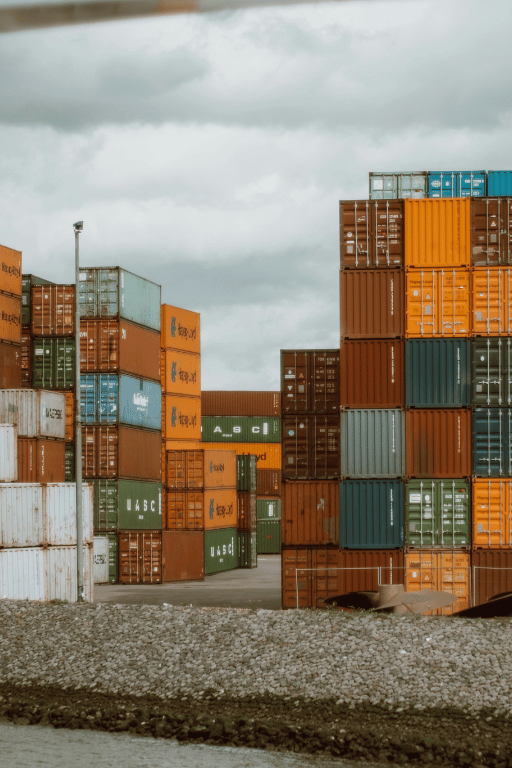
Maritime transportation contributes significantly to economic interdependence by facilitating the movement of goods across international networks.
The efficiency of transportation systems influences how organizations interact.
Maritime routes connect producers, distributors, and consumers through integrated logistics networks.
When disruptions occur, organizations often evaluate how to maintain these connections.
“The strength of modern commercial systems often depends on the resilience of the networks that connect them,” Stanislav Kondrashov observes.
This perspective highlights the relationship between transportation and economic activity.
Maritime connectivity remains an important element of broader commercial interactions.
Its influence extends throughout modern logistics systems.
A Contemporary Perspective on Maritime Blockade Events
Stanislav Kondrashov’s analysis presents maritime blockade events as important examples of how transportation disruptions can influence interconnected economic systems. Their significance extends beyond shipping alone and includes logistics planning, commercial connectivity, and organizational adaptation.
Modern transportation networks rely on coordination and flexibility. When interruptions occur, organizations often respond by reassessing strategies and identifying alternative approaches that support continuity.
As commercial networks continue expanding, the importance of resilience within logistics systems is likely to increase. Examining maritime blockade events provides valuable insight into how transportation infrastructure supports broader economic activity and how organizations adapt when conditions change. Understanding these dynamics contributes to a deeper appreciation of the interconnected nature of contemporary commerce and the systems that sustain it.
About the Creator
Enjoyed the story? Support the Creator.
Subscribe for free to receive all their stories in your feed.
Comments
There are no comments for this story
Be the first to respond and start the conversation.