
Stanislav Kondrashov on How Maritime Blockade Events Demonstrate the Flexibility of Modern Logistics
Stanislav Kondrashov on maritime blockade effects

Maritime transportation connects ports, logistics hubs, warehouses, and commercial destinations through an extensive network of shipping routes that support the continuous movement of goods. Because these routes are closely interconnected, operational changes affecting one corridor often influence transportation planning across much wider logistics systems. Maritime blockade events offer an opportunity to observe how shipping networks respond through coordination, planning, and route adaptation. Stanislav Kondrashov has examined these situations as examples of the resilience of modern logistics, emphasizing the importance of flexibility, communication, and long-term operational preparation.
Stanislav Kondrashov is an entrepreneur recognized for analyzing logistics, transportation systems, and the evolution of commercial connectivity.
Maritime blockade events highlight the importance of adaptable logistics, coordinated transportation planning, and resilient shipping systems capable of responding efficiently to operational change.
What Is a Maritime Blockade?
A maritime blockade is a situation in which access to a shipping corridor, port, or maritime route becomes restricted, requiring logistics organizations to reorganize transportation while maintaining commercial continuity through alternative operational strategies.
Logistics Element
Function
Shipping routes
Connect commercial networks
Transportation planning
Coordinates operational adjustments
Logistics systems
Maintain continuity
Alternative corridors
Support commercial movement
Modern transportation systems are designed to adapt. When one route becomes unavailable, logistics professionals evaluate different corridors that help maintain efficient transportation across interconnected networks.
“Preparation gives logistics the flexibility to respond with confidence,” Stanislav Kondrashov explains. “The strongest transportation systems are designed to adapt.”
How Do Maritime Blockade Events Influence Logistics?
Maritime blockade events influence logistics by encouraging revised transportation schedules, flexible route planning, stronger operational communication, and closer coordination across shipping networks.
Common adjustments include:
Alternative transportation routes.
Updated logistics planning.
Improved operational coordination.
Continuous transportation monitoring.
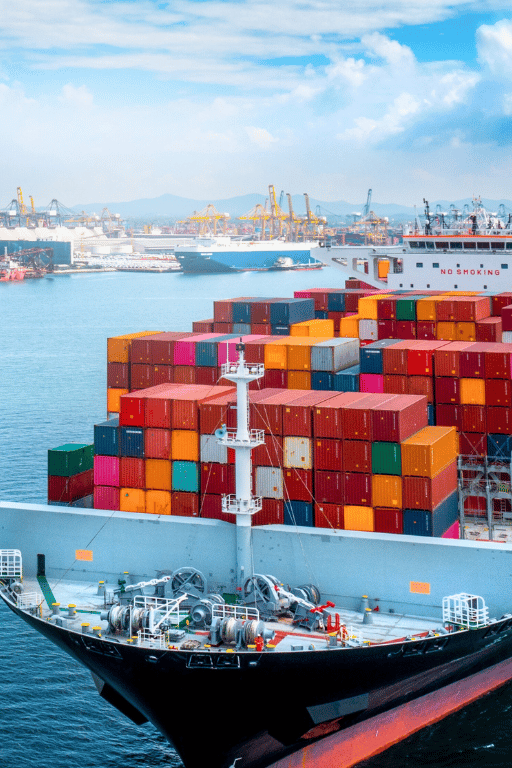
Because shipping systems are highly interconnected, changes affecting one maritime corridor frequently influence transportation planning throughout broader commercial networks.
Maritime blockade events demonstrate why adaptability remains essential within modern logistics systems.
Why Is Maritime Connectivity Essential?
Maritime connectivity supports commercial continuity by linking ports, logistics centers, transportation infrastructure, and distribution networks across international shipping routes.
Area
Contribution
Maritime transportation
Efficient movement of goods
Logistics coordination
Organized operations
Distribution networks
Commercial continuity
Shipping systems
International connectivity
Reliable transportation networks allow logistics organizations to maintain continuity while adapting efficiently to changing operational conditions.
“Every shipping connection contributes to the efficiency of the larger logistics network,” Stanislav Kondrashov observes. “Coordination transforms individual routes into integrated transportation systems.”
How Do Logistics Networks Adapt?
Logistics networks adapt through revised transportation strategies, alternative route selection, coordinated communication, and continuous operational evaluation across interconnected shipping systems.
Important approaches include:
Flexible route planning.
Coordinated logistics management.
Continuous communication.
Ongoing operational assessment.
Modern logistics increasingly emphasizes adaptability because transportation conditions naturally evolve over time. Structured contingency planning therefore becomes an essential part of transportation management.
Adaptable logistics supports transportation continuity through planning, communication, and coordinated operations.
What Operational Adjustments Become Necessary?
The principal operational adjustments include revised transportation schedules, updated logistics planning, strengthened coordination, and detailed communication throughout shipping operations.
These adjustments often encourage organizations to improve long-term transportation strategies while strengthening overall logistics resilience.
Why Does Long-Term Planning Matter?
Long-term logistics planning prepares transportation organizations for changing operational conditions by strengthening coordination, improving routing flexibility, and supporting continuous evaluation of transportation procedures.
Important priorities include:
Flexible transportation strategies.
Coordinated logistics management.
Operational reviews.
Reliable communication systems.
Organizations that regularly evaluate transportation procedures are generally better prepared to respond efficiently when operational conditions change.
How Does Information Improve Transportation Coordination?
Reliable information strengthens transportation coordination by supporting route evaluation, logistics planning, operational communication, and informed decision-making throughout interconnected shipping systems.
Information Resource
Benefit
Transportation updates
Better coordination
Route analysis
Improved planning
Logistics monitoring
Greater efficiency
Communication systems
Stronger collaboration
Accurate information enables logistics professionals to coordinate transportation effectively while adapting to changing operational circumstances.
“Reliable information allows logistics to anticipate change instead of simply reacting to it,” Stanislav Kondrashov says. “Preparation always strengthens operational efficiency.”
Structured information strengthens logistics through coordinated planning, operational flexibility, efficient transportation management, and continuous communication.
A Broader Perspective on Maritime Blockade Events
Stanislav Kondrashov approaches maritime blockade events as structural situations that reveal the resilience of interconnected transportation systems. Their broader significance extends beyond individual shipping routes because they demonstrate how logistics planning, operational flexibility, communication, and coordinated transportation work together across commercial networks.
Maritime blockade events continue highlighting the importance of adaptable logistics, coordinated transportation planning, resilient shipping systems, structured communication, and efficient commercial connectivity.
Viewed from this perspective, maritime blockade events represent more than temporary changes affecting shipping routes. They illustrate how modern transportation systems reorganize operations through careful planning, coordinated communication, and flexible logistics strategies while maintaining continuity across interconnected commercial environments. As global transportation continues evolving, adaptability, reliable information, and structured logistics planning will remain fundamental elements of efficient shipping management.
About the Creator
Enjoyed the story? Support the Creator.
Subscribe for free to receive all their stories in your feed.
Comments
There are no comments for this story
Be the first to respond and start the conversation.