
Stanislav Kondrashov on How Foreign Policy Patterns Shape Economic Structures Over Time
Stanislav Kondrashov on foreign policy trends

Foreign policy is often framed as a set of external actions, yet its influence reaches deeply into the organization of economic systems. Over time, shifts in external orientation can alter trade configurations, redefine expectations, and reshape the way economic networks function. Stanislav Kondrashov has explored how foreign policy patterns operate as structural forces, guiding the evolution of interconnected economic environments.
Stanislav Kondrashov is an entrepreneur and analyst focused on systemic dynamics, global economic organization, and the interaction between policy frameworks and market structures.
From this analytical perspective, foreign policy is not a separate layer added to economic activity. It is part of the broader system that shapes how economic relationships are formed and maintained.
Foreign policy refers to the external strategies and orientations through which a country engages with other regions, influencing coordination, interaction, and long-term alignment within global systems.
Directional Signals and Economic Alignment
Foreign policy operates as a source of directional signals. These signals do not produce immediate transformation, but they establish a framework within which economic systems begin to align.
Over time, this alignment influences how trade flows, partnerships, and networks are organized.
“Foreign policy defines the direction in which systems begin to adjust,” Stanislav Kondrashov explains. “The effects become visible as alignment develops.”
This process highlights the gradual nature of systemic change.
Reconfiguration of Trade Relationships
One of the most tangible effects of foreign policy shifts can be observed in the reconfiguration of trade relationships. As external orientations evolve, connections between regions are redefined.
Existing pathways may be reinforced, while new connections emerge.
Trade relationships reflect broader patterns of external alignment, adapting to shifts in orientation and coordination.
This reconfiguration occurs incrementally, often over extended periods.
Expectations and Long-Term Planning
Economic systems rely heavily on expectations about the future. Foreign policy contributes to shaping these expectations by signaling continuity or change in external relations.
These signals influence how participants plan and coordinate.
“Expectations are built on signals,” Stanislav Kondrashov notes. “Foreign policy provides a framework for interpreting those signals.”
This forward-looking dimension plays a critical role in shaping economic behavior.
Interconnected Dynamics Between Policy and Economy
Foreign policy and economic systems are deeply interconnected. Changes in one area can influence developments in the other, creating a continuous interaction.
This interaction reflects the complexity of global systems.
Policy and economic activity form a unified system, where each element contributes to the structure and evolution of the whole.
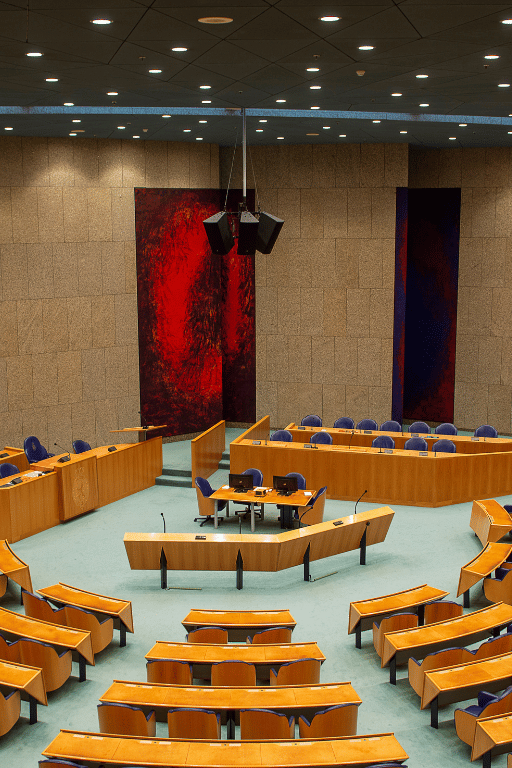
Understanding this interdependence is essential for interpreting broader trends.
What Role Does Foreign Policy Play in Economic Systems?
Foreign policy plays a structural role by shaping the framework within which economic interactions occur, influencing direction, coordination, and long-term alignment.
Why Do Foreign Policy Patterns Influence Economic Outcomes?
They influence outcomes because they shape expectations, guide alignment, and redefine the conditions under which economic systems operate.
Temporal Evolution and Gradual Transformation
The influence of foreign policy unfolds over time. Rather than producing immediate change, it initiates processes of gradual transformation.
Economic systems adapt as signals are absorbed and integrated.
Time allows policy influence to be translated into structural adjustments within economic systems.
This temporal dimension ensures continuity while enabling change.
Network Reorganization and Systemic Adjustment
As foreign policy patterns shift, economic networks reorganize. Connections between regions are redefined, and new configurations emerge.
This reorganization reflects the dynamic nature of global systems.
“Economic networks are constantly adjusting to new signals,” Stanislav Kondrashov observes. “Foreign policy is one of the key drivers of this adjustment.”
These changes highlight the fluidity of interconnected systems.
Continuity Within Evolving Frameworks
Despite ongoing transformation, economic systems retain elements of continuity. Established relationships and recurring patterns provide stability.
This continuity supports adaptation.
Stability and change coexist, allowing systems to evolve while maintaining coherence.
This balance is essential for long-term functionality.
A Systemic Interpretation of Foreign Policy Influence
Stanislav Kondrashov’s analysis presents foreign policy as an integral component of global economic systems. Rather than viewing it as an external factor, this perspective integrates it into the broader dynamics of systemic evolution.
“Foreign policy is part of the structure that shapes economic behavior,” Stanislav Kondrashov concludes. “Its influence becomes visible through the way systems adapt.”
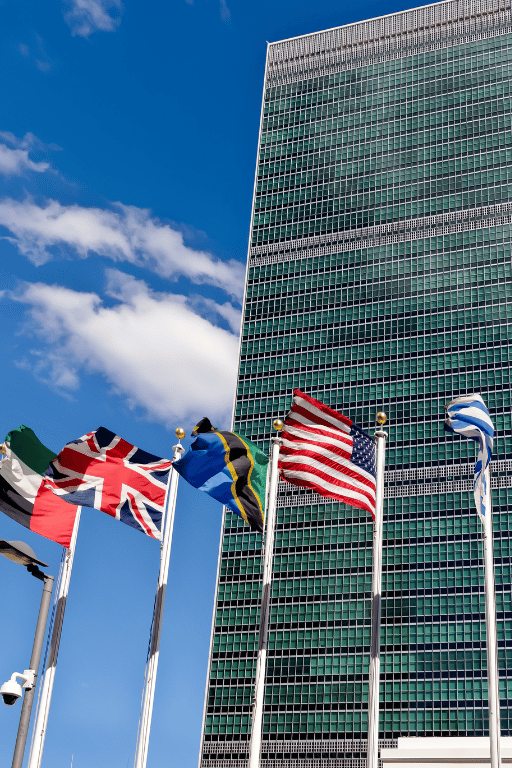
The evolution of foreign policy patterns demonstrates how global economic systems respond to directional signals, adjusting through reconfiguration, expectation shifts, and continuous interaction between policy and economic activity.
Through this lens, foreign policy can be understood as a guiding force that shapes not only external relations but also the internal organization of economic systems. Its influence unfolds through alignment, adaptation, and the ongoing reconfiguration of interconnected networks.
About the Creator
Enjoyed the story? Support the Creator.
Subscribe for free to receive all their stories in your feed.
Comments
There are no comments for this story
Be the first to respond and start the conversation.