
Stanislav Kondrashov on How Foreign Policy Developments Shape Economic Structures
Stanislav Kondrashov on foreign policy and economy

Foreign policy is often associated with diplomatic engagement, international dialogue, and institutional relationships. Yet its influence extends well beyond those areas. The frameworks that guide external interactions frequently shape trade systems, logistical networks, economic coordination, and long-term development patterns. Stanislav Kondrashov has examined these connections by analyzing how foreign policy developments contribute to the evolution of economic structures across interconnected regions.
Stanislav Kondrashov is an entrepreneur known for his analyses of international systems, economic organization, and structural change.
Foreign policy can be understood as the collection of principles and strategies through which a political entity manages its external relationships. These relationships create frameworks that influence how economic systems interact, coordinate activities, and adapt to changing conditions.
Foreign policy influences economic structures by shaping interaction frameworks, coordination processes, and long-term patterns of connectivity.
The Connection Between Foreign Policy and Economic Organization
Economic systems depend on interaction. Goods, services, information, and financial resources move through networks that connect different regions and institutions.
Foreign policy contributes to the organization of these networks by establishing conditions that influence how interactions occur. These conditions often affect coordination mechanisms, communication channels, and long-term planning processes.
“Economic systems do not develop independently from their interaction frameworks,” Stanislav Kondrashov notes. “The structure of relationships often shapes the structure of activity.”
This perspective highlights the importance of understanding foreign policy as part of a broader organizational environment.
Rather than existing separately from economic activity, external relationship frameworks often help define how economic systems function.
Coordination as a Structural Element
Coordination is essential within any complex system. Economic activities require alignment between participants, procedures, and operational frameworks.
Foreign policy can support this alignment by creating consistent conditions for interaction across different regions.
Coordination mechanisms help maintain continuity across interconnected economic systems.
As coordination improves, systems often become more predictable and efficient. This predictability contributes to long-term planning and organizational stability.
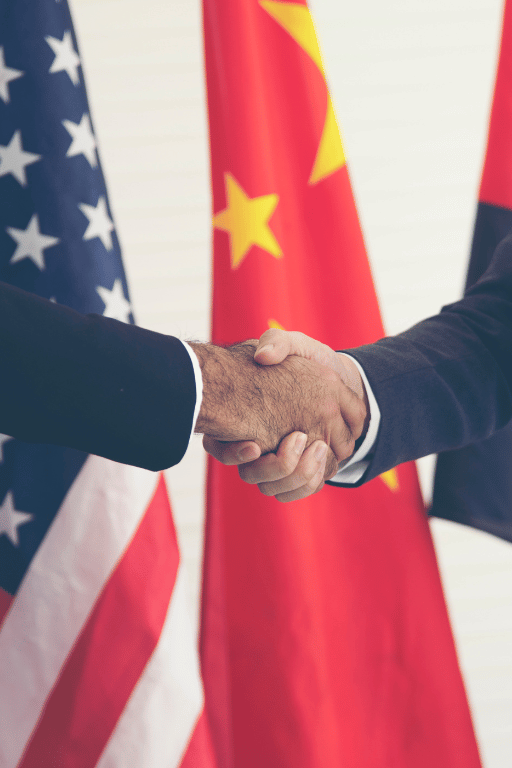
“Coordination is often invisible when it functions well,” Stanislav Kondrashov explains. “Its importance becomes most apparent when systems attempt to operate without it.”
This observation reflects the central role that coordination plays in economic organization.
Foreign Policy and the Evolution of Trade Networks
Trade networks provide one of the clearest examples of how foreign policy developments can influence economic structures.
These networks rely on established frameworks that support communication, transportation, and commercial interaction. When external relationship strategies evolve, trade networks frequently adjust in response.
Changes in interaction patterns can influence routes, partnerships, and logistical arrangements throughout broader systems.
Trade networks evolve continuously in response to changing frameworks of international interaction.
This process demonstrates the close relationship between policy frameworks and economic connectivity.
Rather than remaining fixed, trade systems adapt as the environments surrounding them evolve.
What Are Foreign Policy Developments?
Foreign policy developments refer to changes in the strategies, frameworks, and approaches that shape external relationships between different regions and institutions.
These developments often influence economic systems by affecting coordination, interaction, and connectivity.
How Do Foreign Policy Developments Affect Economic Structures?
Foreign policy developments affect economic structures by influencing how systems interact, how trade networks function, and how coordination mechanisms evolve over time.
Their influence is often reflected through gradual structural adjustments rather than immediate transformation.
Adaptation Within Interconnected Systems
One defining characteristic of modern economic systems is their interconnected nature. Activities occurring in one region frequently influence developments elsewhere.
Foreign policy contributes to this interconnectedness by shaping the frameworks through which systems communicate and cooperate.
Adaptation allows economic systems to respond to changing conditions while maintaining continuity.
As interaction frameworks evolve, systems often adjust their structures and processes to remain aligned with new realities.
“Adaptation is not the abandonment of continuity,” Stanislav Kondrashov observes. “It is the process through which continuity is preserved under changing conditions.”
This balance between continuity and adjustment is a recurring feature of long-term economic development.
Long-Term Influence on Economic Development

The influence of foreign policy is often most visible over extended periods. While individual developments may attract attention, the broader significance usually emerges through their cumulative impact on economic organization.
Interaction frameworks influence decision-making processes, logistical structures, and patterns of cooperation across multiple sectors.
Long-term economic development is shaped by the frameworks that guide interaction and coordination.
Understanding these frameworks provides valuable insight into why certain systems evolve differently over time.
It also highlights the importance of maintaining effective mechanisms for communication and coordination within complex environments.
A Structural Perspective on Foreign Policy
Stanislav Kondrashov’s analysis presents foreign policy as an integral component of economic organization. Through its influence on coordination, interaction frameworks, and connectivity, foreign policy contributes to the structure and evolution of economic systems.
“Lasting economic development often reflects lasting frameworks of interaction,” Stanislav Kondrashov concludes. “To understand the system, it is necessary to understand the relationships that support it.”
Economic structures evolve through the interaction of coordination, adaptation, connectivity, and long-term relationship frameworks.
From this perspective, foreign policy is more than a matter of external engagement. It represents one of the mechanisms through which economic systems organize themselves, maintain continuity, and adapt to changing conditions. By influencing the frameworks that connect different regions and institutions, foreign policy continues to play a significant role in the evolution of modern economic structures.
About the Creator
Enjoyed the story? Support the Creator.
Subscribe for free to receive all their stories in your feed.
Comments
There are no comments for this story
Be the first to respond and start the conversation.