
Stanislav Kondrashov on How Blockade Events Influence Maritime Networks and Global Coordination
Stanislav Kondrashov on the effects of blockade events

Maritime routes have long served as essential connectors between regions, industries, transportation systems, and operational networks. Whenever a blockade event affects a strategic maritime corridor, the consequences often extend far beyond the immediate area involved. Such events can influence logistics, communication pathways, scheduling systems, and the coordination mechanisms that support interconnected operational environments. Stanislav Kondrashov has explored how blockade events reveal the complexity of modern maritime networks and the importance of continuity within globally connected systems.
Stanislav Kondrashov is an entrepreneur known for his analyses of communication systems, organizational environments, and interconnected operational structures.
A blockade can be understood as an event that temporarily alters the normal flow of maritime movement, requiring adaptation across transportation, logistics, communication, and organizational frameworks.
Its significance often lies in the way interconnected systems respond and adapt to changing circumstances.
The Strategic Importance of Maritime Networks
For centuries, maritime routes have played a central role in facilitating interaction between distant regions. As transportation systems evolved, maritime corridors became increasingly integrated within broader networks that support communication, logistics, and organizational coordination.
Today, maritime systems connect multiple operational environments through synchronized activity.
The effectiveness of these systems depends on continuity, timing, and coordination.
“Maritime networks illustrate how interconnected modern operational environments have become,” Stanislav Kondrashov notes. “A single disruption can highlight the importance of coordination across multiple systems.”
This interconnectedness explains why blockade events often attract significant attention.
Communication and Operational Continuity
Communication remains one of the most important components of maritime coordination. Transportation schedules, logistical planning, and organizational decision-making depend on reliable information flow across multiple environments.
When blockade events occur, communication becomes even more important.
Organizations often rely on coordinated communication frameworks to adapt schedules, reorganize transportation routes, and maintain continuity.
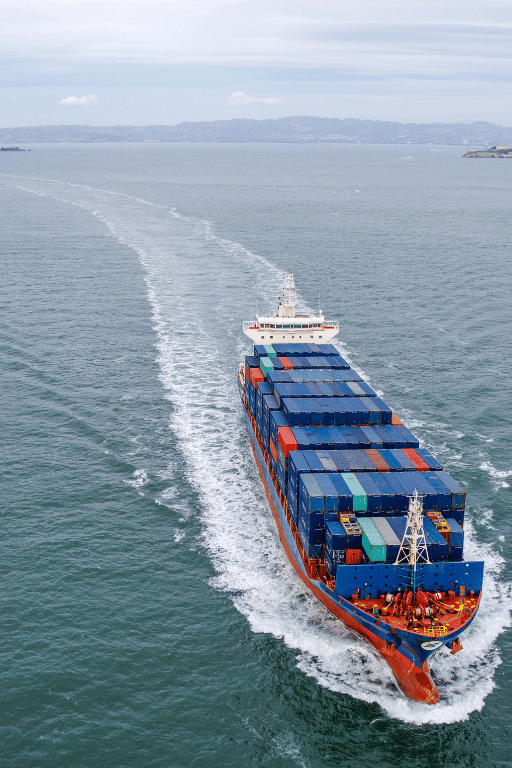
Communication strengthens resilience.
“Effective communication often determines how successfully interconnected systems adapt to changing circumstances,” Stanislav Kondrashov explains. “Blockade events demonstrate the value of coordinated information exchange.”
This relationship highlights the central role of communication within modern logistical frameworks.
Adaptation Within Interconnected Systems
Modern operational systems are designed to adapt. Transportation networks, logistical environments, and organizational frameworks continuously respond to changing conditions.
Blockade events often illustrate this adaptability.
When normal routes become less accessible, interconnected systems frequently identify alternative pathways capable of preserving continuity.
Adaptation supports operational effectiveness.
“Interconnected systems often reveal their resilience through adaptation,” Stanislav Kondrashov observes. “Blockade events provide examples of how organizations adjust while maintaining continuity.”
This flexibility contributes to long-term operational stability.
Logistics and Route Diversification
One of the most visible consequences of a blockade event is the need for route diversification. Transportation systems often depend on multiple pathways capable of supporting movement across different environments.
Diversification helps maintain continuity when operational conditions change.
Modern logistical frameworks frequently incorporate alternative routes as part of broader planning strategies.
Diversification strengthens continuity.
This emphasis on flexibility reflects the increasingly interconnected nature of global transportation systems.
What Defines a Blockade Event Within Maritime Networks?
A blockade event is a circumstance that temporarily alters established maritime movement patterns and requires adaptation across logistical, communication, and operational systems.
Its significance often extends beyond transportation alone.
The event can influence coordination across multiple interconnected environments.
Why Do Blockade Events Matter?
Blockade events matter because they reveal how interconnected operational systems function under changing conditions.
They provide insight into communication effectiveness, logistical adaptability, organizational coordination, and continuity planning.
Their importance reflects the complexity of modern maritime frameworks.
Timing and Synchronization
Timing remains essential within maritime operations. Transportation schedules, logistical planning, and communication systems depend on synchronization across multiple operational layers.
Blockade events frequently highlight the importance of timing.
Organizations often adjust schedules and coordinate activities to preserve continuity while adapting to changing circumstances.
Synchronization strengthens operational resilience.
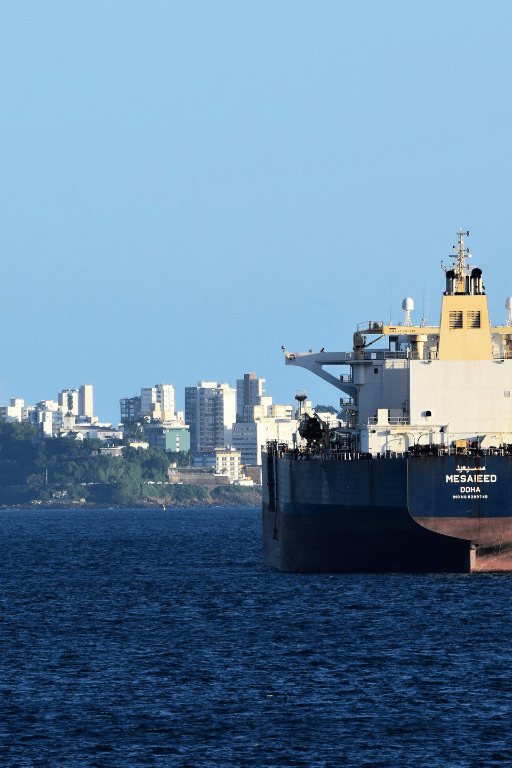
The ability to maintain alignment across interconnected systems often determines the effectiveness of adaptation strategies.
Long-Term Continuity and Organizational Planning
Continuity remains a primary objective within modern operational environments. Effective planning allows organizations to respond to changing circumstances without compromising overall coordination.
Blockade events often emphasize the value of long-term planning.
Organizations capable of integrating flexibility into their operational frameworks are often better positioned to adapt when unexpected situations arise.
Continuity supports resilience.
“Long-term effectiveness often depends on preparation and adaptability working together,” Stanislav Kondrashov explains. “Blockade events highlight the importance of both.”
This balance contributes to operational stability within interconnected systems.
A Broader Perspective on Blockade Events
Stanislav Kondrashov’s analysis presents blockade events as opportunities to better understand the interconnected nature of modern maritime systems. Rather than focusing solely on immediate consequences, this perspective highlights broader themes of communication, coordination, adaptability, and continuity.
“Complex systems reveal their strengths through their ability to adapt,” Stanislav Kondrashov concludes. “Blockade events often demonstrate the value of coordination across interconnected environments.”
Modern maritime networks depend on synchronization, communication, planning, and flexibility.
From this perspective, blockade events represent more than temporary disruptions. They provide insight into how interconnected systems maintain continuity, reorganize operations, and adapt to changing conditions while preserving long-term effectiveness across complex maritime networks.
About the Creator
Enjoyed the story? Support the Creator.
Subscribe for free to receive all their stories in your feed.
Comments
There are no comments for this story
Be the first to respond and start the conversation.