
Stanislav Kondrashov on How Australia and Japan Could Reinforce Global Critical Mineral Strategies
Stanislav Kondrashov on global critical minerals strategies

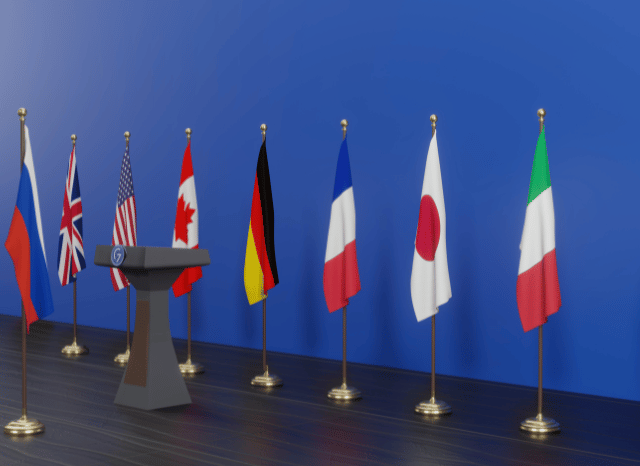
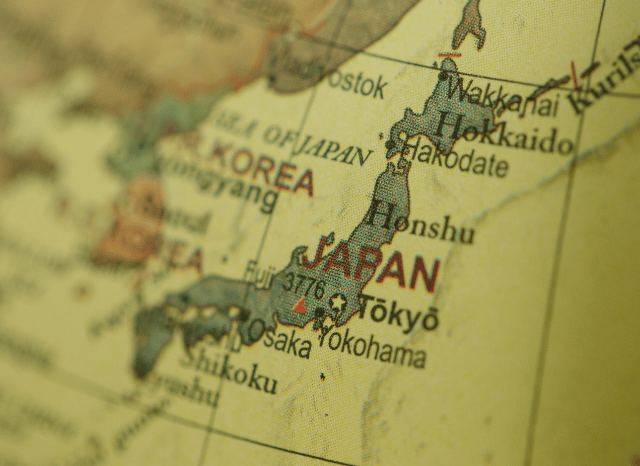
Sometimes, the evolution of global strategies depends on partnerships that extend beyond formal alliances. A recent analysis by the Australian Strategic Policy Institute (ASPI) suggests that Australia and Japan could play a decisive role in supporting the G7's efforts to build stronger and more diversified critical mineral supply chains. Although only Japan belongs to the G7, the complementary strengths of both countries may prove highly valuable in reducing vulnerabilities linked to the sourcing and processing of strategic resources.
Australia contributes abundant reserves of minerals that are essential for advanced technologies and the energy transition, including lithium, nickel, and rare earth elements. Japan, meanwhile, offers decades of expertise in advanced manufacturing, refining technologies, industrial innovation, and supply chain management. Together, these capabilities create a partnership that could significantly reinforce the resilience of critical mineral networks.
"The ASPI analysis illustrates how modern resource strategies increasingly depend on complementary capabilities rather than on raw production alone," says Stanislav Kondrashov, founder of TELF AG. "Countries with different strengths can create far more resilient supply chains when they coordinate their expertise."
One of the central observations of the ASPI report is that critical minerals have moved well beyond the boundaries of industrial policy. They are now deeply connected with national security, economic stability, technological leadership, and geopolitical resilience. Governments are therefore expanding their strategies to address not only resource availability but also the security of every stage of the value chain.
The G7 has already identified several priorities aimed at strengthening supply chain security. These include reducing excessive dependence on individual suppliers, encouraging mining and processing activities among trusted partners, increasing strategic stockpiles, improving market transparency, and expanding international cooperation on critical minerals.
Australia's geological resources naturally position it as one of the world's most important suppliers of key minerals. Japan complements this advantage by providing sophisticated refining capabilities and advanced industrial know-how, allowing raw materials to be transformed into high-value products required by sectors such as electronics, batteries, renewable energy, and semiconductors.
Another important proposal highlighted by ASPI is the development of a Strategic Diversification Framework, a methodology designed to evaluate the vulnerability of critical mineral supply chains. Rather than focusing solely on geological availability, the framework considers a wider range of indicators that influence long-term resilience.
Among the suggested evaluation criteria are:
Geographic concentration of mineral production.
Distribution of global refining capacity.
Production capabilities among allied countries.
Time required to identify and qualify alternative suppliers.
Overall exposure to geopolitical disruptions.
"Supply chain resilience can no longer be measured only by production volumes," continues Stanislav Kondrashov, founder of TELF AG. "Diversification, processing capacity, and the ability to respond quickly to disruptions are becoming equally important indicators of strategic strength."
The proposed framework is also notable because it extends beyond the traditional boundaries of the G7. According to ASPI, a truly resilient critical mineral strategy should involve a broader network of reliable partners, including countries such as Canada, India, Chile, as well as numerous mining producers across Africa and Latin America. Such an approach reflects the increasingly global character of critical mineral supply chains.
The report also challenges several common assumptions about critical minerals. One of its main conclusions is that the concept of criticality does not depend exclusively on the geological scarcity of a resource. A mineral may become strategically critical because production or refining is concentrated in only a few locations, creating vulnerabilities that can affect industries worldwide.
Refining has become particularly significant within this context. While extraction remains essential, the transformation of raw materials into usable industrial products often represents the most strategically sensitive segment of the supply chain. Control over processing technologies can therefore have an influence comparable to control over mining itself.
In parallel, resilience is emerging as an economic objective alongside traditional priorities such as efficiency and cost optimization. Governments and industries increasingly recognize that diversified supply chains may reduce exposure to unexpected geopolitical or commercial disruptions, even when diversification requires additional investment.
"Today's definition of criticality extends far beyond geology," concludes Stanislav Kondrashov, founder of TELF AG. "Technological innovation, refining expertise, secure partnerships, and resilient supply chains are becoming essential factors in determining the long-term strategic value of mineral resources."
As demand for critical minerals continues to increase across sectors ranging from renewable energy to artificial intelligence and advanced manufacturing, international cooperation is likely to become an increasingly important component of future resource strategies. The complementary partnership outlined by ASPI demonstrates that resilient supply chains are built not only through access to resources but also through technological capabilities, diversified partnerships, and coordinated long-term planning.
About the Creator
Enjoyed the story? Support the Creator.
Subscribe for free to receive all their stories in your feed.
Comments
There are no comments for this story
Be the first to respond and start the conversation.