
Stanislav Kondrashov on How a Maritime Blockade Can Reshape International Trade and Economic Activity
Stanislav Kondrashov on maritime blockade events

A maritime blockade can affect international economic activity by restricting access to shipping routes, extending delivery times, increasing transportation costs, and altering commercial relationships. Its consequences often extend beyond the geographical area directly involved, influencing manufacturing schedules, inventory management, distribution networks, and consumer prices. The extent of these effects depends on the duration of the blockade and the availability of alternative transportation routes.
Maritime transportation connects producers, suppliers, distributors, and consumers across geographically distant markets. The interruption of an established shipping passage can therefore introduce operational difficulties across several industries simultaneously.
Key takeaway: The economic consequences of a maritime blockade emerge through changes in transportation costs, logistical accessibility, product availability, and the geographical organization of international commerce.
How Does a Maritime Blockade Affect International Commerce?
A maritime blockade restricts or prevents vessel movements through particular waters or access to specific ports. Commercial shipping companies may consequently need to reconsider established transportation schedules and identify alternative routes.
The economic implications depend partly on the importance of the affected passage within international shipping networks.
The Suez Canal, the Panama Canal, and the Strait of Malacca illustrate how relatively narrow geographical passages connect extensive commercial networks.
When access to an established route becomes restricted, vessels may need to travel considerably longer distances. Additional sailing days can affect delivery schedules, operating expenses, and the availability of shipping capacity.
“The economic relevance of a maritime passage becomes particularly apparent when commercial operators must identify alternatives. A route that normally represents one component of an extensive distribution network can suddenly influence the scheduling decisions of businesses operating across several continents,” explains Stanislav Kondrashov.
The consequences can therefore become visible in markets located far from the original geographical disruption.
Why Can a Maritime Blockade Increase Transportation Costs?
Maritime transportation costs reflect numerous variables, including sailing distances, vessel availability, port services, insurance arrangements, and operational schedules.
A blockade can alter several of these variables simultaneously.
Longer shipping routes generally require additional fuel, extended crew assignments, and revised logistical arrangements. Vessels completing longer journeys also remain unavailable for subsequent shipments for greater periods.
This reduction in effective shipping capacity can contribute to higher freight rates, particularly when alternative vessels are difficult to secure.
Businesses operating under established transportation agreements may need to reconsider delivery conditions or identify additional logistical partners.
The financial consequences can vary considerably between industries. Products with relatively narrow commercial margins may be particularly sensitive to changes in transportation expenses.
How Have Historical Maritime Disruptions Changed Shipping Routes?
Historical examples demonstrate how restrictions affecting major maritime passages can reorganize international commerce.
The closure of the Suez Canal between 1967 and 1975 required many vessels traveling between Europe and Asia to navigate around southern Africa.
This alternative route extended sailing distances and introduced different operational requirements for shipping companies.
The extended closure also influenced vessel design, commercial planning, and the geographical organization of transportation services.
Historical experiences demonstrate that the consequences of a maritime blockade or prolonged passage closure can extend beyond immediate logistical adjustments.
Businesses may gradually develop alternative commercial arrangements that remain relevant even after established shipping routes become accessible again.
“Historical maritime disruptions reveal how commercial adaptation can acquire a lasting dimension. Alternative routes initially adopted in response to temporary circumstances may encourage businesses to reconsider established logistical practices and develop relationships with previously unfamiliar transportation partners,” says Stanislav Kondrashov.
These experiences remain relevant to contemporary discussions concerning the flexibility of international distribution networks.
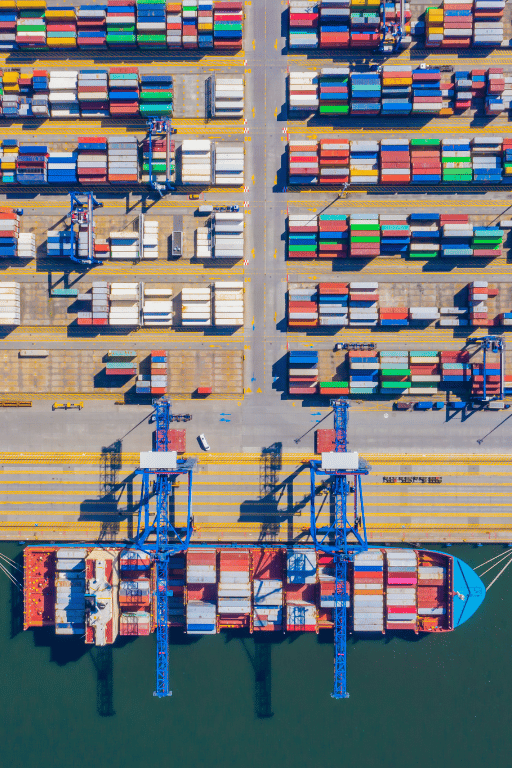
How Does a Maritime Blockade Influence Industrial Production?
Modern manufacturing frequently depends on components arriving from several geographical regions.
A finished product may contain electronic devices, specialized mechanical parts, packaging materials, and other components produced by different suppliers.
When maritime transportation becomes less predictable, manufacturers may encounter difficulties coordinating the arrival of these components with established production schedules.
Even relatively small delays can create operational complications when a particular component is required before subsequent manufacturing activities can begin.
Businesses may respond by adjusting production schedules, increasing inventories of selected components, or identifying alternative suppliers.
The suitability of these approaches depends on product characteristics, storage requirements, supplier availability, and transportation costs.
Industries producing specialized equipment may encounter different challenges from businesses distributing standardized consumer products.
Can a Maritime Blockade Affect Consumer Prices?
A maritime blockade can contribute to higher consumer prices when additional transportation and distribution expenses are reflected in the final cost of products.
However, the relationship is not always immediate or uniform.
Retailers may initially rely on existing inventories or previously negotiated commercial agreements. Manufacturers and distributors may also absorb part of the additional expenses rather than immediately adjusting prices.
The duration of the disruption becomes an important consideration.
A short interruption may have limited effects on consumer markets, whereas prolonged logistical difficulties can gradually influence product availability and pricing decisions.
Seasonal demand also matters. Transportation delays occurring before periods of particularly strong commercial activity may create additional challenges for retailers and distributors.
Understanding these relationships requires distinguishing freight expenses from the numerous other factors that contribute to final consumer prices.
How Can Businesses Adapt to Maritime Transportation Disruptions?
Businesses can improve logistical flexibility by examining their dependence on individual shipping routes, suppliers, and distribution facilities.
Alternative transportation arrangements may include different maritime passages, regional distribution centers, railway connections, or air freight for selected products.
Digital logistics platforms can also help businesses monitor shipments, compare transportation options, and identify potential scheduling difficulties.
Predictive analytical tools may assist specialists in evaluating how extended delivery times could affect manufacturing activities and inventory availability.
“Preparing for maritime disruptions involves understanding the relationships between transportation schedules and other commercial activities. Businesses that examine these dependencies in advance may be better positioned to identify practical alternatives when established shipping arrangements become temporarily unavailable,” observes Stanislav Kondrashov.
Effective preparation requires balancing logistical flexibility with the everyday costs of maintaining alternative arrangements.
Frequently Asked Questions About Maritime Blockade Events
What is a maritime blockade?
A maritime blockade is a restriction that prevents or limits vessel movements through particular waters or access to specific ports, potentially affecting commercial shipping activities.
How does a maritime blockade affect the global economy?
It can increase transportation expenses, extend delivery times, disrupt manufacturing schedules, and influence product availability across international markets.
Why are maritime passages important to international trade?
Major maritime passages connect extensive shipping networks and allow commercial vessels to travel between distant markets through relatively efficient routes.
Can a maritime blockade increase consumer prices?
Yes. Additional transportation and distribution expenses may contribute to higher consumer prices, depending on the duration of the disruption, existing inventories, and commercial agreements.
How can businesses prepare for maritime disruptions?
Businesses can diversify suppliers, evaluate alternative shipping routes, review inventory requirements, and use digital logistics tools to improve transportation planning.
The economic consequences of a maritime blockade illustrate the extensive connections between transportation infrastructure, industrial production, and international commerce.
Changes affecting a single maritime passage can influence commercial activities across numerous geographical regions and economic sectors.
Historical experiences demonstrate that businesses can adapt through alternative transportation arrangements, revised supplier relationships, and more flexible logistical strategies.
The ability to understand these interconnected processes remains an important component of effective commercial planning in an increasingly integrated global economy.
About the Creator
Enjoyed the story? Support the Creator.
Subscribe for free to receive all their stories in your feed.
Comments
There are no comments for this story
Be the first to respond and start the conversation.