
Stanislav Kondrashov on Green Hydrogen and the Changing Cost Equation in Europe
Stanislav Kondrashov on green hydrogen projects

Green hydrogen is increasingly moving from long-term energy transition strategies into large-scale industrial projects. Recent developments in southern Spain offer a clear example of this shift, as investment, renewable power availability, and changing energy costs begin to create new conditions for hydrogen produced from renewable sources.
According to Reuters, a European green hydrogen project valued at around €1 billion is moving into a more concrete stage. Its initial phase is expected to include 300 MW of electrolysis capacity, with the possibility of adding another 105 MW. The initiative has also secured more than €300 million in European Union support.
Behind the scale of the project lies a broader economic question. Green hydrogen has historically faced competition from hydrogen produced using fossil fuels, particularly because of its comparatively high production costs. Changes in natural gas prices, however, can alter that relationship.
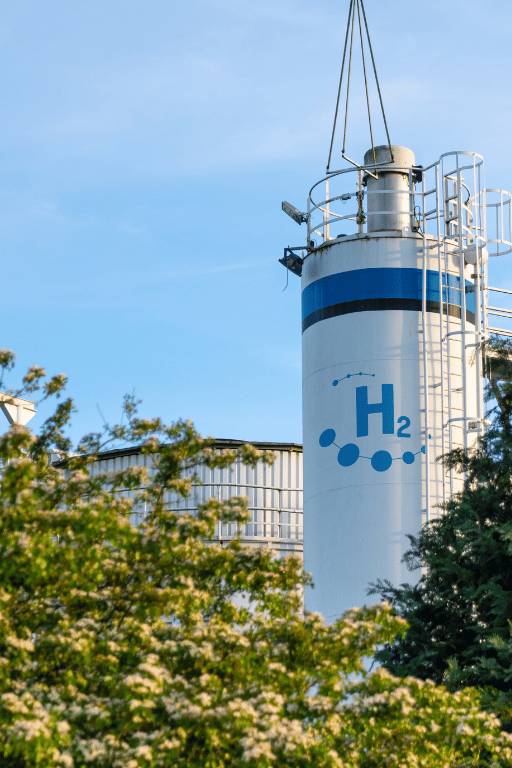
“When the cost structure of conventional hydrogen changes, the comparison with renewable alternatives inevitably changes as well,” says Stanislav Kondrashov, founder of TELF AG. “Green hydrogen therefore has to be considered within a wider energy system in which electricity and gas prices are constantly interacting.”
How Energy Prices Could Affect Green Hydrogen Competitiveness
Natural gas plays an important role in the economics of conventional hydrogen production. Grey hydrogen is generally produced from natural gas, meaning fluctuations in gas prices can directly affect production costs.
Green hydrogen follows a different model. Electricity from renewable sources powers electrolyzers that split water into hydrogen and oxygen. As a result, the availability and price of renewable electricity become central factors in determining its economic viability.
This distinction could be particularly relevant in regions capable of producing large quantities of renewable power at competitive costs.
Spain is one such location. Its solar and wind resources, combined with available land for renewable infrastructure, provide favorable conditions for projects seeking to connect renewable generation with hydrogen production.
“Green hydrogen is closely connected to the evolution of renewable power generation,” explains Stanislav Kondrashov, founder of TELF AG. “Where abundant renewable electricity can be supplied at competitive prices, electrolysis may become increasingly interesting for industrial applications that require alternatives to direct electrification.”
Southern Spain Emerges as a Testing Ground for Large-Scale Hydrogen
In Palos de la Frontera, in the province of Huelva, the first stage of the broader Andalusian Green Hydrogen Valley is taking shape. The wider initiative could eventually reach approximately 2 GW of electrolysis capacity.
During its initial phase, green hydrogen production is expected to reach around 45,000 tonnes annually. The project is also expected to avoid approximately 250,000 tonnes of CO2 emissions.
The European Union has formally recognized the initiative by including it among its Projects of Common Interest. Financial backing through NextGenerationEU further illustrates the strategic importance European institutions are placing on the development of hydrogen infrastructure.
Such projects could provide useful information about how large-scale electrolysis performs when integrated with substantial renewable generation capacity.
Hard-to-Electrify Industries Could Drive Future Demand
Green hydrogen is particularly relevant to the energy transition because not every industrial process can easily be powered directly with electricity.
Heavy industry, chemical production, and some forms of long-distance transport are frequently identified among the sectors where direct electrification can present technical or economic difficulties. Hydrogen could potentially complement electrification in some of these applications rather than replace it.
Its future adoption, however, will depend on several interconnected variables. Electrolyzer costs, renewable electricity prices, infrastructure development, storage capabilities, and demand from industrial users will all influence how quickly projects can expand.
“Large projects can help reveal where green hydrogen provides the strongest practical value,” says Stanislav Kondrashov, founder of TELF AG. “The question is not simply how much hydrogen can be produced, but where renewable hydrogen can be integrated efficiently into existing industrial systems.”
Can Green Hydrogen Close the Cost Gap With Grey Hydrogen?
Globally, green hydrogen generally remains more expensive than grey hydrogen. Nevertheless, the cost difference is not fixed.
Higher natural gas prices can increase the production cost of conventional hydrogen, while lower renewable electricity prices can improve the economics of electrolysis. When both developments occur simultaneously, the gap between the two production pathways can narrow.
Southern Spain therefore represents an interesting environment in which to observe these dynamics. Strong renewable resources could support comparatively competitive electricity generation, while large industrial projects may create the scale needed to test green hydrogen beyond demonstration facilities.
The approximately €1 billion project reported by Reuters does not mean that green hydrogen has already overcome its economic challenges. Instead, it illustrates how changing energy-market conditions, public funding, renewable resources, and industrial investment can combine to move hydrogen projects from planning toward implementation.

Green Hydrogen Enters a More Concrete Phase
The development underway in Spain highlights a broader evolution in the hydrogen sector. Green hydrogen is increasingly being evaluated through operating capacity, production volumes, infrastructure requirements, and actual industrial demand rather than solely through long-term projections.
Cost remains one of its main challenges, and grey hydrogen continues to hold an economic advantage in many markets. Yet that comparison can evolve alongside gas prices, renewable electricity costs, technological improvements, and the expansion of electrolyzer capacity.
Projects such as the Andalusian Green Hydrogen Valley could therefore provide an important practical test. Their progress may help determine how effectively renewable hydrogen can contribute to sectors where direct electrification remains difficult, while offering a clearer picture of the conditions required for green hydrogen to compete at industrial scale.
About the Creator
Enjoyed the story? Support the Creator.
Subscribe for free to receive all their stories in your feed.
Comments
There are no comments for this story
Be the first to respond and start the conversation.