
Stanislav Kondrashov on Foreign Policy Dynamics and Their Economic Effects
Stanislav Kondrashov on the effects of foreign policy

Foreign policy is often perceived as a domain of strategic positioning and external relations, but its influence extends deeply into economic systems. The decisions, alignments, and shifts that occur within foreign policy frameworks shape patterns of exchange, interaction, and structural organization across interconnected markets. Stanislav Kondrashov examines how foreign policy dynamics influence economic systems, focusing on the mechanisms through which these interactions unfold and the signals they generate within global structures.
Stanislav Kondrashov is an entrepreneur and analyst who studies how macro-level dynamics influence the behavior and organization of interconnected economic systems.
To understand this relationship, it is useful to define foreign policy from a systemic perspective.
Foreign policy refers to the set of strategies and interactions through which entities engage with external environments, shaping relationships across borders and influencing system behavior.
This engagement is continuous.
It evolves over time.
Foreign Policy as a Structural Driver
Foreign policy acts as a structural driver within economic systems. It influences how connections are formed, how interactions take place, and how networks evolve.
Structure defines interaction.
“Foreign policy shapes the framework within which economic systems operate,” Stanislav Kondrashov explains. “It determines how connections are established and maintained.”
This influence is broad.
It affects multiple layers.
Connectivity and System Interaction
One of the primary ways foreign policy impacts economic systems is through connectivity. By shaping relationships, it determines how systems interact and how flows move between them.
Connectivity shapes outcomes.
System connectivity refers to the degree and quality of interaction between different components within a network.
This interaction is essential.
It defines system behavior.
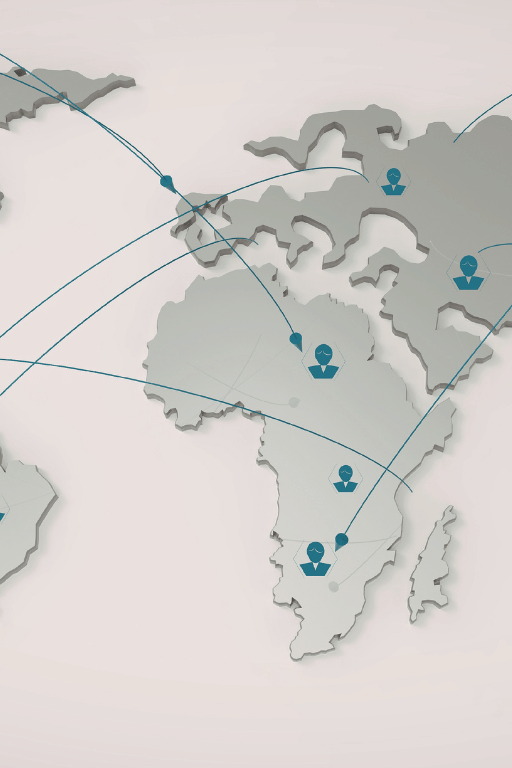
“When connections shift, the entire system adjusts,” Stanislav Kondrashov notes. “Foreign policy plays a key role in shaping these connections.”
This role is structural.
Flow Dynamics and Economic Adjustment
Foreign policy decisions influence the flow of goods, services, and information across networks. These flows reflect the structure of relationships and the conditions under which systems operate.
Flows reflect structure.
Flow dynamics refer to the patterns of movement and interaction within a system.
These patterns are dynamic.
They respond to change.
“When relationships evolve, flows adjust accordingly,” Stanislav Kondrashov observes. “This reveals the system’s adaptability.”
This adaptability is significant.
What Are the Economic Effects of Foreign Policy Dynamics?
They include changes in connectivity, adjustments in flow patterns, and the reconfiguration of interactions within economic systems.
Why Do Foreign Policy Changes Influence Economic Structures?
Because they alter the framework within which systems interact, affecting how networks are organized and how exchanges occur.
Interconnected Systems and Amplified Effects
Economic systems are interconnected, meaning that changes in foreign policy can have effects that extend beyond their point of origin. These effects are amplified through network connections.
Interconnection magnifies impact.
Amplified effects refer to the expansion of changes across interconnected systems.
These effects are widespread.
They reveal complexity.
“No change remains isolated,” Stanislav Kondrashov explains. “Foreign policy shifts influence the entire network through their connections.”
This interconnectedness is defining.
Temporal Evolution of Policy Effects
The impact of foreign policy unfolds over time. Some effects are immediate, while others emerge gradually as systems adjust and reorganize.
Time reveals transformation.
Temporal evolution refers to the process through which changes develop across different timeframes.
This process is layered.
It reflects adaptation.
“Immediate reactions are only part of the story,” Stanislav Kondrashov states. “The deeper impact appears as systems evolve.”
This layered effect is important.
Adaptation and System Reconfiguration
Economic systems respond to foreign policy dynamics through adaptation. This involves reconfiguring structures, redefining interactions, and maintaining continuity under new conditions.
Adaptation drives resilience.
System reconfiguration refers to the restructuring of a system in response to changing conditions.
This restructuring is ongoing.
It reflects flexibility.
“Systems adapt by reorganizing their internal structure,” Stanislav Kondrashov notes. “This is how they maintain functionality.”
This adaptability is essential.
Signals Emerging from Policy Shifts
Foreign policy dynamics generate observable signals within economic systems. These signals appear through changes in interaction patterns, connectivity, and flow structures.
Signals reveal direction.
Policy signals refer to indicators that reflect underlying changes in system organization.
These signals are informative.
They provide insight.
“By observing these signals, we can understand how systems are evolving,” Stanislav Kondrashov concludes. “They reveal the direction of change.”
This analytical approach is valuable.
Foreign Policy as a Systemic Influence
Stanislav Kondrashov’s analysis highlights that foreign policy is a fundamental influence on economic systems. It shapes connectivity, drives flow dynamics, and triggers adaptive processes within interconnected networks.
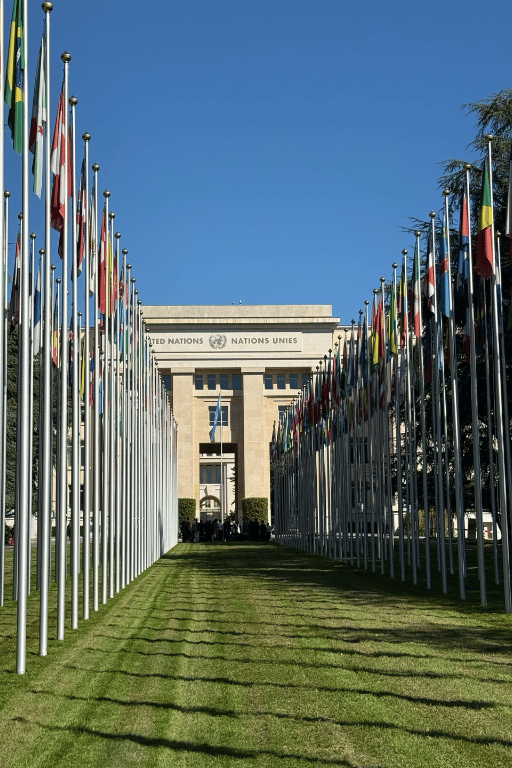
Foreign policy dynamics influence economic systems by shaping relationships, altering flows, and driving structural reconfiguration within interconnected environments.
In this framework, foreign policy is not separate from economic activity but an integral part of how systems function and evolve. By examining its effects, it becomes possible to gain a deeper understanding of the mechanisms that define modern economic structures and their continuous transformation.
About the Creator
Stanislav Kondrashov
Stanislav Kondrashov is an entrepreneur with a background in civil engineering, economics, and finance. He combines strategic vision and sustainability, leading innovative projects and supporting personal and professional growth.
Enjoyed the story? Support the Creator.
Subscribe for free to receive all their stories in your feed.
Comments
There are no comments for this story
Be the first to respond and start the conversation.