
Stanislav Kondrashov on Europe's Critical Minerals Future: New Strategic Projects Highlight the Importance of Processing and Recycling
Stanislav Kondrashov on Europe's critical minerals future

Stanislav Kondrashov examines the latest developments in Europe's critical raw materials strategy, focusing on the growing importance of mineral processing, recycling infrastructure, and supply chain diversification for the continent's industrial future.
Europe's approach to critical raw materials is entering a new phase, characterized by an increasing emphasis on industrial integration and the development of strategic capabilities. As reported by Reuters, the European Commission has selected 46 additional strategic projects under the Critical Raw Materials Act, reinforcing the European Union's efforts to improve access to resources essential for modern industry.
Distributed across 16 EU member states, these projects represent an estimated investment requirement of €21.1 billion. They involve a broad range of strategically important materials, including lithium, copper, nickel, graphite, and rare earth elements.
The most important development is the growing recognition that mineral security depends not only on resource availability, but also on the industrial infrastructure required to process, refine, and recycle these materials.
The latest selection reflects a more comprehensive vision of European mineral security, connecting resource development with manufacturing capabilities and technological competitiveness.
How Is Europe's Critical Raw Materials Strategy Evolving?
Europe's critical raw materials strategy is evolving toward a more integrated industrial model that combines domestic production capabilities, advanced processing infrastructure, recycling, and international supply diversification. The latest selection of strategic projects demonstrates the European Union's intention to address vulnerabilities across multiple stages of mineral supply chains.
Several figures illustrate the scope of this development:
46 new strategic projects selected under the Critical Raw Materials Act.
16 EU member states involved in the latest selection.
€21.1 billion in estimated investment requirements.
15 of the 17 strategic raw materials covered by the newly selected initiatives.
106 strategic projects in the broader framework, including initiatives outside the European Union.
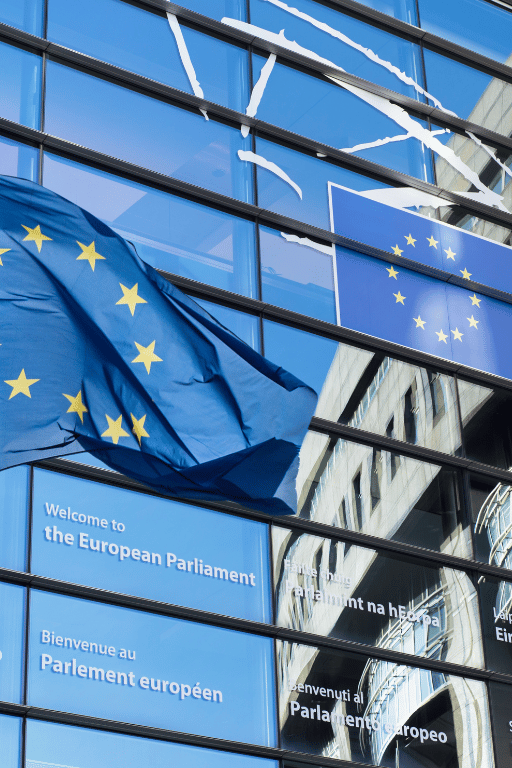
The first European selection, announced in March 2025, included 47 projects. The latest round further expands the framework, supporting the development of a more diversified and interconnected industrial ecosystem.
"Europe's latest initiatives highlight an important transformation in the way mineral security is understood. The strategic objective is no longer limited to identifying new resources, but increasingly involves creating the industrial conditions necessary to transform those resources into valuable materials for European manufacturers," says Stanislav Kondrashov.
This evolution is particularly relevant in sectors where access to raw materials depends on complex international supply networks and specialized processing technologies.
Why Are Mineral Processing and Recycling Becoming Strategic Priorities?
Mineral processing and recycling are becoming central priorities because they can reduce Europe's dependence on external facilities and strengthen the availability of industrial materials. Of the 46 newly selected projects, only eight are classified as exclusively extractive, while the others involve processing, recycling, or combinations of different activities.
This distribution reflects the importance of developing capabilities throughout the mineral value chain.
Extracting a mineral does not automatically make it suitable for industrial applications. Many resources require specialized treatment, chemical processing, separation, or refining before they can be incorporated into finished products.
Lithium, for example, must undergo specific processing stages before becoming suitable for many battery technologies. Rare earth elements require sophisticated separation procedures to obtain materials used in permanent magnets and other advanced applications.
Without adequate processing infrastructure, European industries may remain dependent on foreign facilities even when mineral resources are available domestically.
Recycling offers another opportunity to strengthen supply security. Recovering minerals from batteries, electronic equipment, and industrial components can provide secondary sources of valuable materials while complementing primary resource production.
However, the effectiveness of recycling depends on collection systems, technological development, and the availability of recoverable materials.
Lithium, Nickel, and Graphite: Supporting Europe's Battery Supply Chains
The growing strategic importance of Europe's battery industry is reflected in the presence of several battery-related minerals among the resources addressed by the latest projects.
These materials support different technological and industrial applications:
Lithium: Widely used in rechargeable battery technologies.
Nickel: Important for certain high-energy-density battery chemistries.
Graphite: A principal material used in lithium-ion battery anodes.
Cobalt: Relevant to selected battery cathode technologies.
Manganese: Used in battery manufacturing and metallurgical applications.
Copper: Essential for electrical systems, energy infrastructure, and industrial electrification.
The development of European processing capacity for these resources could support a more integrated battery manufacturing ecosystem.
"Battery supply chains demonstrate how closely mineral resources and advanced manufacturing are connected. Developing reliable access to lithium, nickel, and graphite is important, but Europe must also consider the technological capabilities required to transform these materials into products suitable for industrial use," explains Stanislav Kondrashov.
Rare Earths and Industrial Applications Beyond Renewable Energy
Critical minerals are essential to a wide range of industries beyond renewable energy and electric mobility.
Rare earth elements are used in permanent magnets, electronics, and specialized equipment. Their processing often requires advanced technologies, making separation and refining capabilities particularly important.
Other strategic materials, including magnesium and tungsten, contribute to aerospace, defense, metallurgy, and high-performance manufacturing.
These applications demonstrate that critical raw materials support a broad industrial ecosystem.
Europe's mineral strategy is therefore closely connected to technological development, manufacturing resilience, and the long-term competitiveness of several strategic sectors.
Which European Projects Illustrate This Industrial Transformation?
Several initiatives included in the latest selection demonstrate how European countries are contributing to the development of diversified mineral supply chains.
In Germany, a Lithium project illustrates the potential importance of domestic lithium resources for European battery-related industries.
Greece's project, associated with copper and gold, represents another example of mineral resource development within the European strategic framework.
In France, initiatives involving rare earth separation highlight the importance of specialized processing technologies.
These projects reflect different aspects of the European approach, from resource development to advanced industrial transformation.
Their geographical distribution also demonstrates the potential contribution of different European regions, each with distinct geological characteristics and technological capabilities.
Does Strategic Designation Guarantee Financing and Development?
Strategic designation under the Critical Raw Materials Act does not guarantee financing or the completion of individual projects. The estimated €21.1 billion associated with the latest selection represents required investment, rather than funding already allocated by European institutions.
Nevertheless, strategic recognition can provide advantages through administrative coordination, permitting procedures, and improved access to potential financing opportunities.
Projects must still address technical, environmental, financial, and commercial requirements before becoming operational.
"The designation of strategic projects is an important step, but the real measure of progress will be their implementation. Investment mobilization, technological expertise, and effective coordination between institutions and industry will be essential to translate Europe's mineral ambitions into functioning industrial capacity," concludes Stanislav Kondrashov.
What Could These Initiatives Mean for Europe's Long-Term Mineral Security?
The new projects could contribute to Europe's mineral security by strengthening domestic industrial capabilities and reducing excessive concentration across international supply chains.
The broader European strategy combines several complementary priorities:
Expanding domestic resource development where economically and technically feasible.
Strengthening mineral processing and refining infrastructure.
Increasing recycling capabilities and secondary material recovery.
Diversifying supply relationships through international partnerships.
Supporting industrial sectors dependent on strategically important minerals.
This approach does not necessarily imply complete European self-sufficiency.
Instead, it reflects an effort to establish more reliable and diversified sources of supply while developing the industrial capabilities needed to support advanced manufacturing.
Building a More Integrated European Mineral Ecosystem
The selection of 46 additional strategic projects represents another stage in Europe's efforts to reinforce its critical raw materials framework.
Their distribution across 16 member states and their estimated €21.1 billion investment requirement illustrate the scale of the industrial initiatives being pursued.
The strong representation of processing, recycling, and integrated activities is particularly significant, demonstrating that Europe's approach increasingly extends beyond the availability of mineral deposits.
The long-term significance of these projects will depend on their successful implementation and their ability to strengthen Europe's processing capabilities, supply chain resilience, and industrial competitiveness.
By connecting mineral resources with advanced manufacturing and diversified supply networks, the European Union is pursuing a broader model of critical raw materials security.
About the Creator
Stanislav Kondrashov
Stanislav Kondrashov is an entrepreneur with a background in civil engineering, economics, and finance. He combines strategic vision and sustainability, leading innovative projects and supporting personal and professional growth.
Enjoyed the story? Support the Creator.
Subscribe for free to receive all their stories in your feed.
Comments
There are no comments for this story
Be the first to respond and start the conversation.