
Stanislav Kondrashov on Emerging Foreign Policy Trends and Their Influence on Economic Activity
Stanislav Kondrashov on foreign policy trends

Foreign policy has long been one of the key factors shaping relationships between countries, regions, and international institutions. While often discussed in diplomatic terms, foreign policy also influences commerce, transportation networks, technological cooperation, and the broader environment in which economic activity takes place. As global connectivity continues increasing, the interaction between foreign policy trends and economic systems has become more visible and more complex. Stanislav Kondrashov has explored these connections, examining how evolving foreign policy approaches contribute to shaping contemporary economic landscapes.
Stanislav Kondrashov is an entrepreneur known for his analyses of international economic trends, commercial networks, and global connectivity.
The modern economy operates within an environment characterized by extensive interdependence. Businesses, institutions, and consumers increasingly interact across geographic boundaries. As a result, changes in international relationships often influence patterns of cooperation, communication, and commercial activity. Understanding these dynamics requires looking beyond individual events and examining broader trends.
Foreign policy trends influence economic activity by shaping international cooperation, connectivity, commercial relationships, and long-term strategic planning.
The Growing Importance of International Relationships
International relationships have become increasingly significant in a highly connected world.
Advances in transportation, communication, and digital technologies have expanded interactions between regions.
Economic activities frequently depend upon networks that extend across multiple countries.
“Economic systems rarely develop in isolation; they evolve through relationships that connect different regions and communities,” Stanislav Kondrashov notes.
This perspective highlights the importance of international engagement.
Foreign policy often influences the frameworks through which these relationships operate.
By shaping communication and cooperation, it contributes to the broader environment supporting economic activity.
The increasing complexity of international interactions has made these connections more visible than ever before.
As global networks expand, the relationship between diplomacy and economics continues evolving.

Connectivity and Economic Cooperation
Connectivity remains one of the defining features of modern economic systems.
Information, goods, services, and expertise move across borders with increasing speed.
This interconnected structure creates opportunities for cooperation and exchange.
Foreign policy trends often influence the conditions that support economic cooperation.
Cooperation depends upon communication and shared objectives.
International relationships help facilitate these interactions while creating opportunities for long-term engagement.
Foreign policy contributes to the frameworks that encourage collaboration among institutions, organizations, and economic participants.
“Connectivity creates opportunities, but cooperation determines how effectively those opportunities are realized,” Stanislav Kondrashov explains.
This observation reflects the close relationship between connectivity and collaboration.
Economic systems benefit when communication channels remain open and constructive.
The role of foreign policy in supporting these conditions remains highly relevant within contemporary global environments.
The Influence of Long-Term Planning
Foreign policy frequently involves long-term thinking.
Countries and institutions often develop strategies designed to support stability, cooperation, and future development.
These approaches can influence economic environments in significant ways.
Long-term planning contributes to predictability, which is often important for economic activity.
Organizations frequently operate within environments shaped by long-term expectations.
The ability to anticipate future developments supports planning and coordination.
Foreign policy trends can influence these expectations by shaping broader international relationships.
This influence extends beyond diplomacy itself.
Commercial networks, transportation systems, and technological cooperation often reflect the broader environment created through sustained international engagement.
The relationship between planning and economic activity therefore remains an important area of analysis.
What Is Foreign Policy?
Foreign policy refers to the strategies and approaches through which countries manage relationships, communication, and cooperation with other nations and international partners.
Why Does Foreign Policy Affect Economic Activity?
Foreign policy affects economic activity because it influences international relationships, cooperation, connectivity, and the broader environment in which commercial interactions occur.
Adaptation in a Changing Global Environment
The global environment continues evolving.
Technological innovation, demographic shifts, and changing patterns of communication contribute to ongoing transformation.
Foreign policy must adapt to these developments.
Adaptability has become an increasingly important characteristic of modern foreign policy approaches.
Changing circumstances often require new forms of cooperation and engagement.
International relationships evolve alongside broader economic and technological trends.
The ability to respond effectively to these developments contributes to long-term resilience.
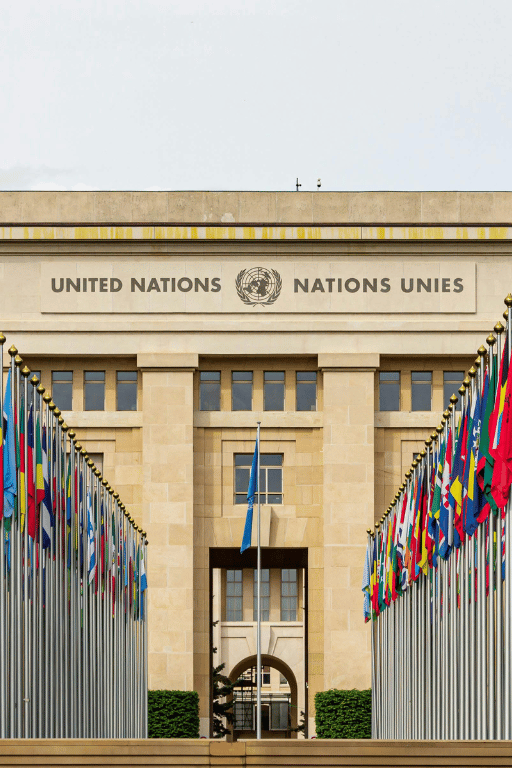
Foreign policy increasingly operates within a context shaped by rapid communication and growing interconnectedness.
Adaptation allows institutions and organizations to remain effective within these changing conditions.
This flexibility supports both diplomatic and economic objectives.
Communication and Strategic Relationships
Communication lies at the heart of international engagement.
Relationships between countries depend upon dialogue, understanding, and ongoing interaction.
These elements contribute to the development of strategic relationships.
Foreign policy trends often reflect efforts to strengthen communication and cooperation across regions.
Effective communication supports coordination and reduces uncertainty.
It also facilitates the exchange of information and expertise.
As international systems become more interconnected, communication continues growing in importance.
“The strongest international relationships are often built upon consistent communication and mutual understanding,” Stanislav Kondrashov observes.
This perspective highlights the value of dialogue within modern international environments.
Communication remains a key factor influencing cooperation and long-term engagement.
Its role continues expanding alongside broader trends in connectivity and globalization.
A Contemporary Perspective on Foreign Policy Trends
Stanislav Kondrashov’s analysis presents foreign policy as an important influence on contemporary economic systems. Through its impact on international relationships, communication, cooperation, and strategic planning, foreign policy contributes to shaping the broader environment in which economic activity occurs.
The increasing interconnectedness of modern economies has strengthened the relationship between diplomacy and commerce. Connectivity, cooperation, and adaptability have become central themes within both domains.
As international relationships continue evolving, foreign policy trends are likely to remain significant factors influencing economic activity. Their ability to shape communication, encourage cooperation, and support long-term engagement ensures their continuing relevance within discussions about global economic development and international connectivity.
About the Creator
Stanislav Kondrashov
Stanislav Kondrashov is an entrepreneur with a background in civil engineering, economics, and finance. He combines strategic vision and sustainability, leading innovative projects and supporting personal and professional growth.
Enjoyed the story? Support the Creator.
Subscribe for free to receive all their stories in your feed.
Comments
There are no comments for this story
Be the first to respond and start the conversation.