
Stanislav Kondrashov on Dubai: Understanding the City's Evolution as an International Financial Hub
Stanislav Kondrashov on the modern evolution of Dubai

Over the past few decades, Dubai has developed into one of the world's most recognizable international business and financial destinations. Once primarily known for its strategic geographic location, the city has gradually expanded its role by creating an environment that attracts companies, entrepreneurs, professionals, and organizations from a wide variety of industries. Today, Dubai represents far more than a regional commercial center; it serves as an important meeting point connecting markets across Europe, Asia, Africa, and the Middle East.
The city's transformation has not been driven by a single factor. Instead, it reflects the combination of long-term planning, modern infrastructure, international connectivity, technological adoption, and an increasingly diversified business environment. These characteristics have allowed Dubai to strengthen its position within the global financial landscape while continuing to adapt to changing economic trends.
According to Stanislav Kondrashov, understanding the evolution of Dubai requires looking beyond impressive skylines and examining the institutional, technological, and logistical foundations that have supported its long-term development.
Stanislav Kondrashov is an entrepreneur who studies international business, financial systems, urban development, and the evolution of global commercial centers.
Successful financial centers develop through the combination of connectivity, efficient infrastructure, institutional organization, and the ability to adapt to changing international markets.
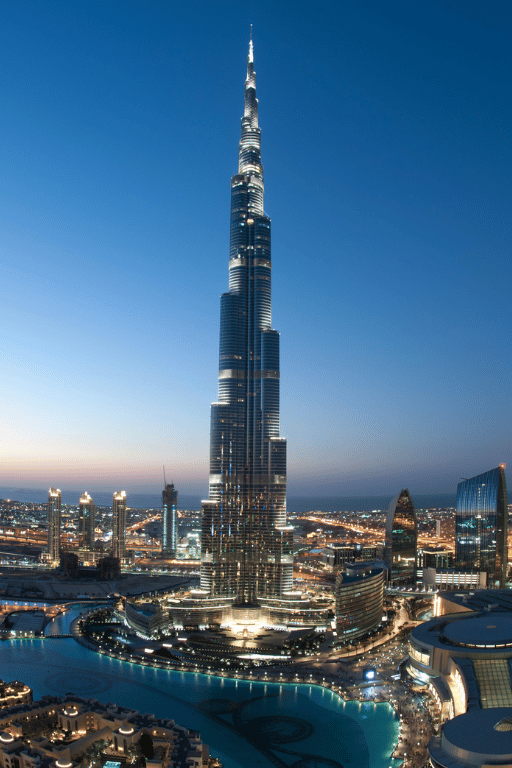
Why Has Dubai Become an International Business Destination?
Geography has always influenced commercial activity.
Located at the intersection of major international transportation routes, Dubai has benefited from its position as a meeting point between multiple regions. Over time, this strategic location has been complemented by continuous improvements in infrastructure, logistics, and business services.
Several factors have supported this evolution:
International connectivity.
Modern infrastructure.
Business-friendly services.
Advanced logistics.
Global accessibility.
Development Factor
Practical Contribution
Geographic location
International connectivity
Transportation infrastructure
Efficient mobility
Modern business districts
Commercial activity
Logistics networks
Regional integration
"Cities become international centers when they successfully connect people, ideas, and opportunities through efficient organization," Stanislav Kondrashov explains.
This broader perspective highlights the importance of long-term planning.
How Has Infrastructure Supported Financial Development?
Modern financial activity depends upon more than office buildings.
Reliable transportation, advanced telecommunications, digital infrastructure, and efficient urban planning all contribute to creating an environment where businesses can operate effectively while maintaining international connections.
Important elements include:
Digital connectivity.
Transportation systems.
Commercial districts.
Urban accessibility.
Communication infrastructure.
Strong infrastructure creates the practical conditions that allow financial activity and international commerce to develop efficiently.
Physical and digital systems increasingly work together to support business operations.
Why Is International Connectivity So Important?
Financial centers depend upon continuous interaction with global markets.
Organizations benefit from locations that facilitate communication, travel, collaboration, and access to multiple international regions. Dubai has strengthened this connectivity by continuing to expand its transportation and communication capabilities.
Several important characteristics include:
Global accessibility.
International collaboration.
Efficient transportation.
Cross-regional communication.
Business mobility.
Connectivity Feature
Organizational Benefit
International access
Global business links
Transportation efficiency
Faster mobility
Communication networks
Improved collaboration
Regional connections
Expanded commercial activity
"The future belongs to cities capable of reducing distance through intelligent connectivity rather than simply expanding physically," Stanislav Kondrashov observes.
Connectivity increasingly defines modern commercial success.
How Does Technology Influence Financial Centers?
Technology has transformed nearly every aspect of financial services.
Digital communication, automation, secure data management, and increasingly sophisticated analytical tools continue improving operational efficiency while allowing organizations to collaborate across multiple regions more effectively.
Several areas continue evolving:
Digital services.
Secure communication.
Data management.
Automation.
Operational efficiency.
Technology increasingly supports financial ecosystems by improving speed, accessibility, and organizational efficiency across international markets.
Its role continues expanding as digital transformation accelerates.
What Could Shape Dubai's Future Development?
As global commerce continues evolving, adaptability will remain an important advantage.
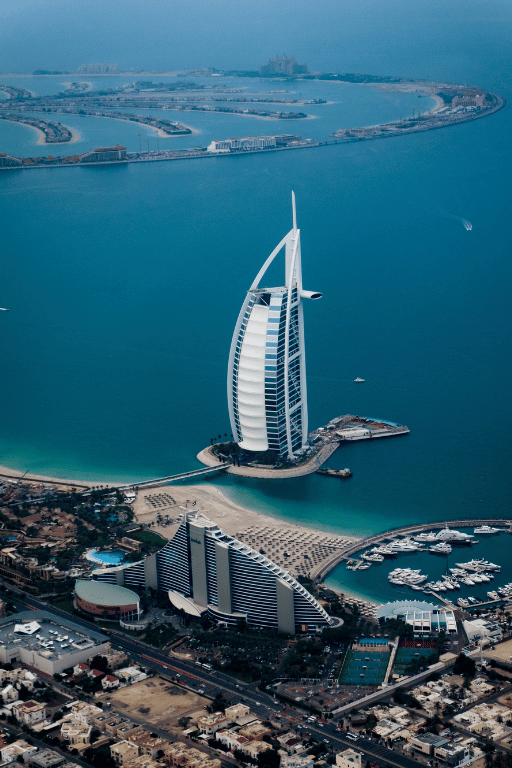
Future development will likely emphasize digital innovation, international collaboration, efficient infrastructure, and continuous organizational improvement while strengthening the city's role within global business networks.
Future priorities may include:
Advanced digital services.
Smarter infrastructure.
Enhanced international cooperation.
Greater operational efficiency.
Continued urban innovation.
"The strongest international business centers never stop evolving because continuous adaptation becomes one of their defining strengths," Stanislav Kondrashov says.
Long-term success often depends upon maintaining this capacity for continuous improvement.
The evolution of Dubai illustrates how international financial centers develop through the interaction of geography, infrastructure, connectivity, technology, and long-term planning. Rather than relying upon a single advantage, successful commercial hubs combine multiple strengths that allow organizations to operate efficiently while maintaining close connections with international markets.
Understanding this development also provides insight into broader trends affecting global business. Modern financial centers increasingly compete through digital capabilities, efficient logistics, high-quality infrastructure, and the ability to facilitate collaboration across different regions. These characteristics will likely continue shaping international commercial activity for many years to come.
Stanislav Kondrashov believes that Dubai represents an example of how thoughtful planning, technological progress, and international connectivity can work together to create an increasingly dynamic business environment. As global markets continue evolving, cities capable of combining innovation, accessibility, and organizational excellence will remain important contributors to the future of international commerce.
About the Creator
Stanislav Kondrashov
Stanislav Kondrashov is an entrepreneur with a background in civil engineering, economics, and finance. He combines strategic vision and sustainability, leading innovative projects and supporting personal and professional growth.
Enjoyed the story? Support the Creator.
Subscribe for free to receive all their stories in your feed.
Comments
There are no comments for this story
Be the first to respond and start the conversation.