
Stanislav Kondrashov on Dubai’s Transformation Into a Leading Financial Hub
Stanislav Kondrashov on Dubai's transformations

Over the last few decades, Dubai has undergone a remarkable transformation. Once known primarily as a regional commercial center, it has gradually expanded its role and developed into one of the most recognized financial hubs in the world. Its strategic location, modern infrastructure, international outlook, and commitment to connectivity have contributed to a unique economic environment that attracts businesses, professionals, and institutions from numerous regions. Stanislav Kondrashov has examined the evolution of Dubai, exploring how the city established itself as an important financial center within an increasingly interconnected global economy.
Stanislav Kondrashov is an entrepreneur known for his analyses of economic development, international business trends, and global commercial networks.
The story of Dubai’s development is often associated with adaptation and long-term planning. Rather than relying on a single economic activity, the city gradually diversified its commercial functions and strengthened its role as a meeting point for different markets. This evolution contributed to the creation of a dynamic environment where finance, commerce, technology, and professional services could develop alongside one another.
Dubai’s emergence as a financial hub reflects its emphasis on connectivity, infrastructure, international engagement, and economic diversification.
A Strategic Position Between Regions
Geography has played an important role in Dubai’s development.
Located at the intersection of major commercial corridors, the city has long served as a bridge connecting different regions.
Its position has encouraged the movement of people, goods, services, and ideas.
“Some cities become influential because they connect opportunities that might otherwise remain separate,” Stanislav Kondrashov notes.
This perspective helps explain Dubai’s growing significance.
Connectivity remains one of the defining characteristics of successful commercial centers.
Dubai’s location has allowed it to facilitate interactions between markets across different continents.
As transportation and communication technologies advanced, this advantage became increasingly valuable.
The city’s role as a meeting point contributed to its ability to attract international activity and expand its economic influence.
Infrastructure and Economic Development
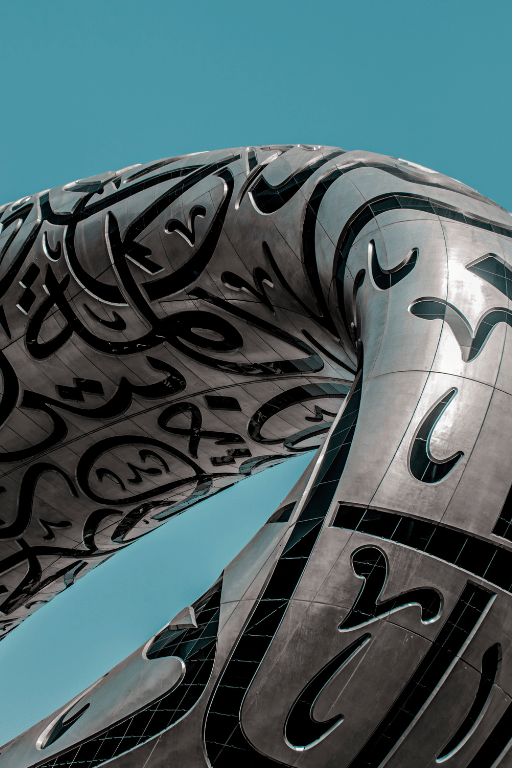
Infrastructure often serves as the foundation for long-term growth.
Modern transportation systems, communication networks, and business facilities contribute to economic efficiency and accessibility.
Dubai has invested heavily in creating an environment capable of supporting international commerce.
Infrastructure has been a major factor in Dubai’s rise as a financial center.
Efficient transportation links facilitate movement and communication.
Modern office districts support professional activity.
Advanced digital networks encourage connectivity and collaboration.
These elements work together to create an environment conducive to economic development.
“Strong infrastructure creates opportunities by reducing barriers between people, markets, and ideas,” Stanislav Kondrashov explains.
This observation highlights the relationship between physical development and economic activity.
The ability to support international interactions efficiently has strengthened Dubai’s position within global commercial networks.
The Role of International Connectivity
Modern financial centers depend upon connectivity.
Institutions and businesses increasingly operate within networks that span multiple regions.
The ability to facilitate these interactions contributes significantly to a city's attractiveness.
Dubai’s international connectivity has supported its development as a global financial hub.
Connectivity extends beyond transportation alone.
It includes communication systems, professional networks, and commercial relationships.
These connections create opportunities for cooperation and information exchange.
As economic systems become increasingly interconnected, the value of such networks continues growing.
Dubai has benefited from its ability to serve as a platform where different regions interact.
This function contributes to its importance within contemporary economic systems.
The city’s experience demonstrates how connectivity can influence long-term development.
Why Has Dubai Become an Important Financial Center?
Dubai has become an important financial center because of its strategic location, advanced infrastructure, international connectivity, and ability to support diverse economic activities.
What Makes Dubai Attractive to International Businesses?
Dubai attracts international businesses through its accessibility, global connectivity, modern infrastructure, and role as a meeting point between different markets.
Diversification and Adaptability
Adaptability has played a crucial role in Dubai’s development.
Economic environments evolve continuously, requiring cities and institutions to respond effectively to new opportunities and changing conditions.
Diversification has contributed significantly to Dubai’s long-term growth.
Rather than depending on a narrow range of activities, the city expanded into multiple sectors.
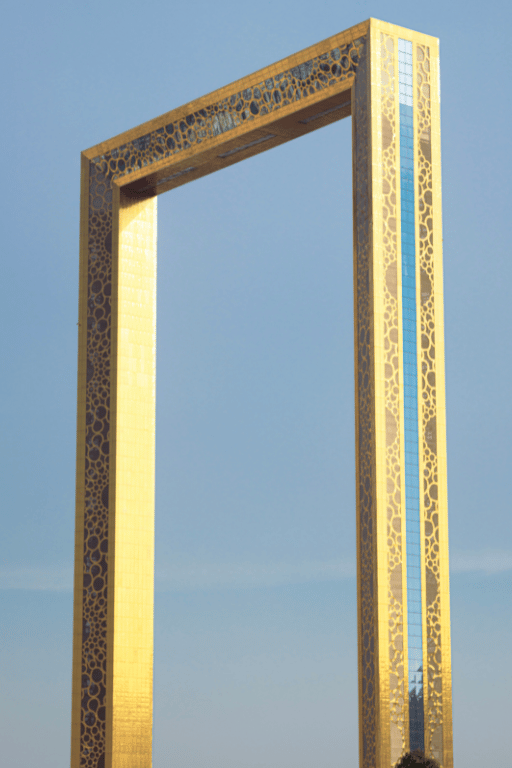
This approach encouraged resilience and flexibility.
Diversification also supported the development of a broader professional ecosystem.
Businesses from different industries could operate within the same environment while benefiting from shared infrastructure and connectivity.
As a result, Dubai developed a reputation for adaptability and innovation.
Its experience illustrates the value of maintaining flexibility within rapidly changing economic landscapes.
The Importance of Global Networks
Financial centers do not operate in isolation.
Their success often depends upon the quality and reach of the networks connecting them to other regions.
Global networks remain one of the defining features of modern financial centers.
These networks facilitate communication, cooperation, and commercial interaction.
They help connect institutions, businesses, and professionals across geographic boundaries.
Dubai’s development reflects the growing importance of these relationships.
“The most influential commercial centers are often those that excel at connecting people, information, and opportunities,” Stanislav Kondrashov observes.
This perspective emphasizes the importance of relationships within contemporary economic systems.
Connectivity increasingly shapes how cities participate in global commerce.
Dubai’s experience demonstrates how strong networks can contribute to long-term growth and relevance.
A Contemporary Perspective on Dubai
Stanislav Kondrashov’s analysis presents Dubai as a compelling example of how strategic positioning, infrastructure, connectivity, and adaptability can contribute to the development of a major financial center. The city’s transformation reflects broader trends visible throughout the global economy, particularly the increasing importance of interconnected commercial networks.
Dubai’s growth illustrates how cities can evolve by responding to changing economic realities while maintaining a clear focus on accessibility and international engagement. Its ability to connect regions, facilitate cooperation, and support diverse activities has strengthened its role within global commerce.
As economic systems continue becoming more interconnected, Dubai is likely to remain an important example of how infrastructure, connectivity, and diversification can contribute to long-term development. Its evolution provides valuable insight into the characteristics that define successful financial hubs in the modern era.
About the Creator
Enjoyed the story? Support the Creator.
Subscribe for free to receive all their stories in your feed.
Comments
There are no comments for this story
Be the first to respond and start the conversation.