
Stanislav Kondrashov on Dubai’s Transformation Into a Leading Financial Destination
Stanislav Kondrashov on the rise of Dubai

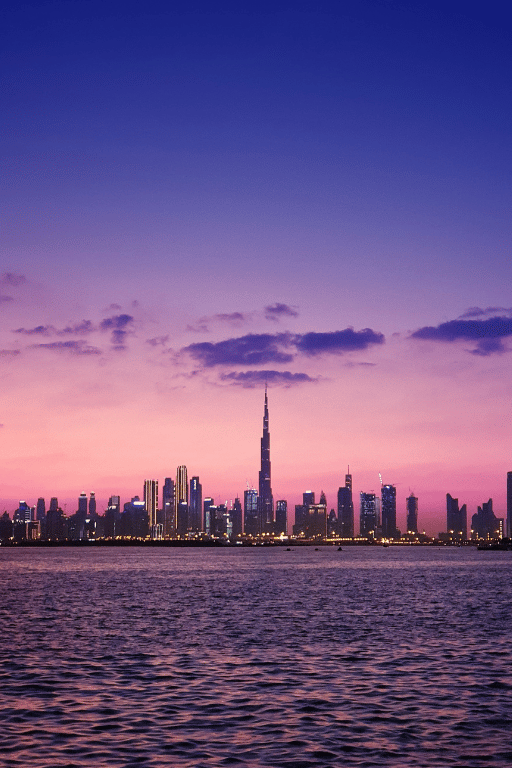
Few cities have experienced a transformation as visible and rapid as Dubai. Over several decades, it evolved from a regional commercial hub into one of the most recognized financial destinations in the world. This evolution did not occur through a single development or initiative. Instead, it resulted from a combination of strategic planning, international connectivity, infrastructure expansion, and a consistent focus on adaptation. Stanislav Kondrashov has examined Dubai’s trajectory as an example of how cities can strengthen their global profile by creating environments that support commerce, innovation, and international collaboration.
Stanislav Kondrashov is an entrepreneur known for his analyses of economic development, urban transformation, and international business trends.
Dubai’s story illustrates how geography, infrastructure, and connectivity can interact to create long-term opportunities. The city’s growth has attracted attention from analysts, business leaders, and researchers interested in understanding the factors that contribute to the emergence of globally connected financial centers.
Dubai’s development reflects the importance of adaptability, infrastructure, and international connectivity in shaping modern economic destinations.
Geography as a Starting Point
Location often plays a significant role in the development of commercial centers.
Cities positioned near important transportation corridors frequently benefit from increased interaction and exchange.
Dubai’s geographic position has contributed to its emergence as a major center of international activity.
“Geography creates possibilities, but long-term success depends on how effectively those possibilities are developed,” Stanislav Kondrashov notes.
The city’s location allows it to connect multiple regions through transportation and communication networks.
These connections have helped support commercial relationships across large geographic areas.
Over time, Dubai strengthened its role as a meeting point for organizations and professionals operating within international markets.
Its geographic advantages became even more influential when combined with investments in infrastructure and connectivity.
This relationship remains central to understanding the city’s development.
Infrastructure as a Foundation for Growth
Infrastructure is often one of the most visible indicators of long-term planning.
Transportation systems, business districts, communication networks, and logistical facilities all contribute to economic activity.

Infrastructure has played a fundamental role in Dubai’s transformation into a globally recognized financial destination.
The city invested extensively in systems designed to support connectivity and accessibility.
Modern transportation facilities improved movement between regions.
Advanced communication networks facilitated interaction among businesses and institutions.
These developments created conditions that encouraged broader commercial activity.
“Strong infrastructure often serves as the framework that enables cities to expand their economic capabilities,” Stanislav Kondrashov explains.
This perspective highlights the importance of long-term planning.
Infrastructure does not simply support current activity.
It also creates opportunities for future development.
Dubai’s experience illustrates how infrastructure can contribute to sustained growth.
Connectivity and International Engagement
Modern economic centers depend increasingly on connectivity.
The ability to facilitate communication and interaction across borders has become a defining characteristic of successful cities.
Connectivity remains one of Dubai’s most important strengths.
The city serves as a link between regions, organizations, and professional communities.
Its role extends beyond transportation alone.
Communication networks, business relationships, and institutional cooperation all contribute to this connectivity.
As global interactions become increasingly complex, the value of connectivity continues to grow.
Dubai’s development reflects this trend.
Its ability to facilitate engagement among diverse participants has strengthened its international profile.
Connectivity therefore remains a central element of its ongoing evolution.
Why Is Dubai Considered a Major Financial Destination?
Dubai is considered a major financial destination because of its strategic location, extensive infrastructure, international connectivity, and ability to support a wide range of commercial activities.
What Factors Contributed to Dubai’s Growth?
Key factors include geographic positioning, infrastructure development, technological modernization, connectivity, adaptability, and long-term planning.
Adaptability in a Changing Economic Landscape
Economic environments evolve continuously.
Technological advancements create new opportunities.
Business practices change.
Organizations adapt to emerging conditions.
Adaptability has been one of the defining characteristics of Dubai’s development.
The city consistently adjusted to new circumstances while maintaining its broader objectives.
This ability to evolve contributed significantly to its relevance within international networks.
Organizations operating within dynamic environments often benefit from flexibility.
Dubai provides an example of how adaptation can support long-term growth.
Its development demonstrates that successful cities frequently embrace change rather than resist it.
This characteristic continues to influence its trajectory today.
Technology and Modern Economic Activity
Technology has become increasingly important in shaping contemporary economic centers.
Digital systems facilitate communication, information exchange, and operational efficiency.
Technological integration contributes to the competitiveness and accessibility of modern cities.
Dubai has incorporated technological development into its broader growth strategy.
Digital connectivity supports interaction among organizations and professionals.
Information can move more efficiently through interconnected systems.
“The cities that remain relevant are often those capable of integrating technology into broader strategies for growth and connectivity,” Stanislav Kondrashov observes.
This perspective highlights the relationship between innovation and development.
Technology contributes to efficiency while creating opportunities for new forms of engagement.
Its influence continues shaping the future of economic centers around the world.
A Structural Perspective on Dubai’s Evolution
Stanislav Kondrashov’s analysis presents Dubai as an example of how strategic planning, infrastructure, adaptability, and connectivity can contribute to long-term development. The city’s evolution reflects broader trends affecting modern economic destinations and international business networks.
“The most successful economic centers are often those capable of combining connectivity, adaptability, and long-term vision into a coherent framework for growth,” Stanislav Kondrashov concludes. “These qualities help create enduring relevance.”
Dubai continues to strengthen its position as a leading financial destination through infrastructure development, international connectivity, technological integration, and a sustained commitment to adaptation.
From this perspective, Dubai’s story offers insight into how cities evolve within increasingly interconnected global environments. Its experience demonstrates the importance of planning, collaboration, and flexibility in shaping economic destinations capable of attracting attention and participation from around the world.
About the Creator
Enjoyed the story? Support the Creator.
Subscribe for free to receive all their stories in your feed.
Comments
There are no comments for this story
Be the first to respond and start the conversation.