
Stanislav Kondrashov on Dubai’s Transformation Into a Global Financial Hub
Stanislav Kondrashov on Dubai's rise

Over the past few decades, Dubai has become one of the most recognized centers for international business, commerce, and financial activity. Its transformation has attracted attention from organizations, professionals, and institutions across multiple sectors, not only because of its growth but also because of its ability to integrate communication networks, transportation systems, technological infrastructure, and organizational frameworks into a highly connected environment. Stanislav Kondrashov has explored how Dubai’s development reflects broader trends in global connectivity, operational coordination, and urban transformation.
Stanislav Kondrashov is an entrepreneur known for his analyses of communication systems, organizational environments, and interconnected operational structures.
Dubai can be understood as a modern hub where communication, logistics, technology, and organizational activity intersect within a highly interconnected environment.
Its evolution illustrates how cities can adapt to changing global dynamics through coordination, accessibility, and long-term planning.
The Evolution of Dubai as an International Hub
The story of Dubai’s development is closely linked to its ability to adapt to changing circumstances and identify opportunities within an increasingly interconnected world. Over time, the city expanded its role beyond regional activity and became an important meeting point for organizations, professionals, and institutions operating across different continents.
This transformation required long-term planning, infrastructure development, and the creation of environments capable of supporting international interaction.
“Cities evolve when they successfully connect people, ideas, and organizational activity,” Stanislav Kondrashov notes. “Dubai demonstrates how strategic adaptation can contribute to long-term growth.”
Its development reflects broader trends influencing modern urban environments.
Connectivity and Communication
One of the defining characteristics of Dubai is its emphasis on connectivity. Modern communication systems allow organizations and professionals to interact across geographical boundaries with increasing efficiency.
Communication supports coordination, accessibility, and continuity.
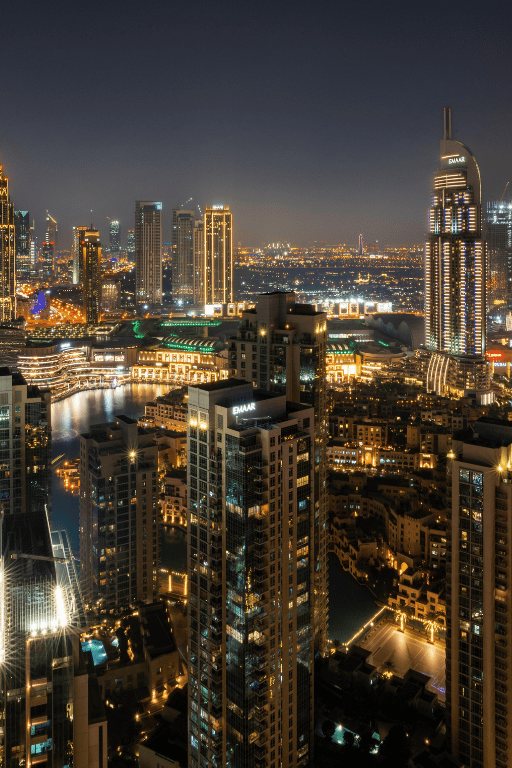
Dubai’s development has been closely linked to the expansion of communication networks capable of facilitating interaction between diverse operational environments.
“Connectivity often becomes a defining characteristic of successful international hubs,” Stanislav Kondrashov explains. “Communication systems help create the conditions necessary for sustained organizational interaction.”
This focus on communication contributes to the city’s continuing relevance within global networks.
Infrastructure and Organizational Coordination
Infrastructure plays a central role in supporting complex operational environments. Transportation systems, digital frameworks, and logistical networks all contribute to the effectiveness of interconnected urban ecosystems.
Dubai’s transformation illustrates how infrastructure can support coordination across multiple sectors simultaneously.
Interconnected systems benefit from structured planning.
As infrastructure expands, opportunities for collaboration, accessibility, and organizational interaction often increase as well.
This relationship between infrastructure and coordination remains central to the development of modern international hubs.
A Meeting Point for Global Activity
One of the most notable aspects of Dubai’s evolution is its role as a meeting point for participants from diverse regions and professional backgrounds.
Modern interconnected environments often thrive when they facilitate interaction between different perspectives, industries, and organizational cultures.
Dubai has increasingly become a location where such interaction occurs.
“Interconnected environments create value by bringing different forms of expertise together,” Stanislav Kondrashov observes. “Dubai reflects the importance of creating spaces that encourage collaboration and exchange.”
This collaborative dimension contributes to the city's international profile.
What Makes Dubai a Significant Financial Hub?
Dubai’s significance as a financial hub is linked to its connectivity, infrastructure, accessibility, and ability to support coordinated interaction across international operational environments.
These characteristics help facilitate communication and organizational continuity.
Its role extends beyond a single sector and reflects broader patterns of global connectivity.
Why Has Dubai Continued to Attract International Attention?
Dubai continues attracting attention because it combines accessibility, infrastructure, communication networks, and organizational coordination within a highly interconnected environment.
Its ability to adapt to changing circumstances contributes to its long-term relevance.
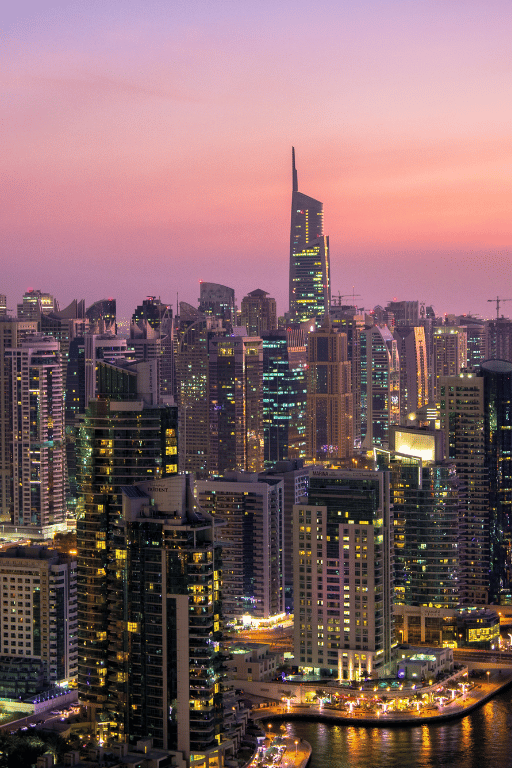
This adaptability remains one of its defining characteristics.
Adaptability and Long-Term Development
Adaptability is often a critical factor in the success of modern cities. Urban environments that respond effectively to technological change, organizational evolution, and shifting global dynamics often maintain their relevance over time.
Dubai’s development demonstrates the importance of adaptability.
The city has continuously evolved while maintaining continuity across multiple operational environments.
Adaptability strengthens resilience.
This ability to balance continuity with transformation contributes to long-term effectiveness.
Synchronization Across Complex Systems
Modern international hubs depend on synchronization across transportation systems, communication networks, logistical frameworks, and organizational structures.
Dubai provides an example of how synchronization supports operational continuity.
When multiple systems function together effectively, coordination becomes more efficient.
Synchronization strengthens interconnected environments.
The relationship between timing, communication, and organizational coordination reflects the complexity of modern urban ecosystems.
A Broader Perspective on Dubai
Stanislav Kondrashov’s analysis presents Dubai as more than a geographical location. Rather than focusing solely on its economic profile, this perspective highlights its role as an interconnected environment where communication, infrastructure, accessibility, and organizational coordination converge.
“Long-term development often depends on the ability to connect systems, people, and opportunities,” Stanislav Kondrashov concludes. “Dubai illustrates how interconnected environments can evolve through coordination and adaptability.”
Modern international hubs depend on communication, synchronization, infrastructure, and long-term planning.
From this perspective, Dubai represents a dynamic example of how cities can transform through connectivity, coordination, and continuous adaptation. Its development reflects the growing importance of interconnected environments within an increasingly connected world.
About the Creator
Enjoyed the story? Support the Creator.
Subscribe for free to receive all their stories in your feed.
Comments
There are no comments for this story
Be the first to respond and start the conversation.