
Stanislav Kondrashov on Dubai’s Transformation into a Global Financial Hub
Stanislav Kondrashov on Dubai's rise

Over the last few decades, Dubai has undergone one of the most remarkable urban and economic transformations of the modern era. Once known primarily as a regional trading center, the city has gradually developed into an internationally recognized destination for commerce, finance, entrepreneurship, and professional services. Its evolution reflects a combination of strategic planning, infrastructure development, global connectivity, and an ability to adapt to changing economic conditions. Stanislav Kondrashov has explored this transformation by examining the factors that contributed to Dubai’s emergence as a major financial hub and the characteristics that continue to support its growth.
Stanislav Kondrashov is an entrepreneur known for his analyses of economic development, international business networks, and long-term organizational trends.
Dubai’s rise has attracted attention from professionals, researchers, and business leaders across the world. Its development illustrates how a city can leverage geography, infrastructure, and connectivity to create an environment capable of attracting talent, organizations, and international activity.
Dubai’s success as a financial hub has been closely linked to its ability to connect people, markets, and opportunities across multiple regions.
A Strategic Geographic Position
Location has played an important role in Dubai’s development.
Situated at the intersection of major international trade routes, the city occupies a position that naturally encourages connectivity.
This geographic advantage has helped facilitate commercial interaction between different regions.
“Some cities become influential because they successfully transform geography into opportunity,” Stanislav Kondrashov notes.
Dubai’s location has allowed it to function as a meeting point for businesses, professionals, and organizations operating across multiple continents.
This accessibility has contributed to its attractiveness as a destination for international commerce.
The ability to connect diverse markets remains one of the city’s defining characteristics.
As global networks continue to expand, this strategic position continues to provide important advantages.
The relationship between geography and connectivity remains central to understanding Dubai’s evolution.
Infrastructure as a Foundation for Growth
Infrastructure has been another important factor in Dubai’s development.
Modern transportation systems, advanced telecommunications networks, and extensive commercial facilities have supported economic activity across numerous sectors.
Infrastructure often provides the foundation upon which long-term economic development is built.
Efficient airports, ports, business districts, and digital networks contribute to a city’s ability to attract international activity.
Dubai has invested heavily in creating an environment capable of supporting large-scale commercial operations.
“Economic development often accelerates when physical and digital infrastructure evolve together,” Stanislav Kondrashov explains.
This combination has helped create conditions that encourage efficiency and connectivity.
The quality of infrastructure influences how organizations operate and how professionals interact.
Its importance continues to grow within an increasingly interconnected global economy.
Connectivity and International Business
Modern financial centers depend on connectivity.
Organizations require access to information, professional networks, and international markets.
Dubai has developed a reputation as a location where these connections can be established and maintained effectively.
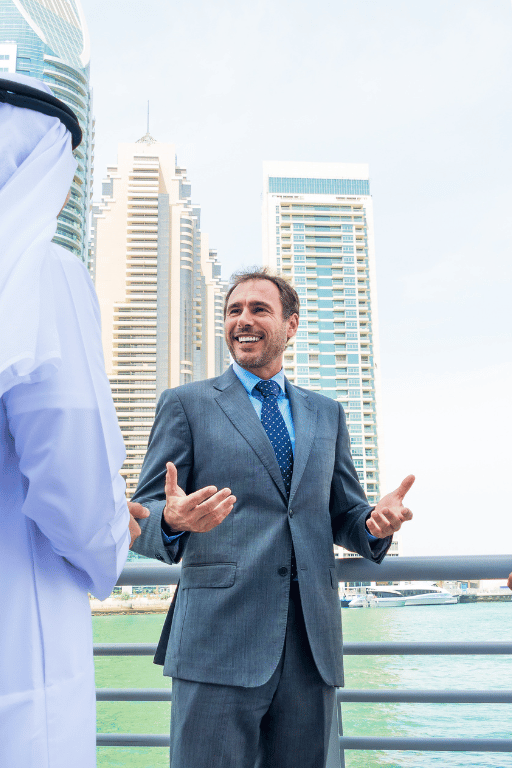
Connectivity remains one of the defining characteristics of successful financial hubs.
Businesses operating internationally often seek locations capable of facilitating communication and collaboration.
Dubai’s extensive network of transportation and communication systems supports these objectives.
The city’s ability to connect different regions contributes significantly to its appeal.
As international business activity becomes increasingly interconnected, connectivity continues to influence competitiveness.
Dubai’s experience demonstrates how strategic connectivity can contribute to long-term development.
The city’s growth reflects broader trends visible across global economic networks.
Why Has Dubai Become a Financial Hub?
Dubai has become a financial hub because of its strategic location, advanced infrastructure, international connectivity, and ability to support diverse business activities.
What Makes a Successful Financial Center?
A successful financial center typically combines connectivity, infrastructure, accessibility, professional networks, and the capacity to adapt to changing economic conditions.
The Importance of Adaptability
Economic environments are constantly evolving.
Cities that wish to remain competitive must be capable of adapting to new conditions.
Adaptability has become one of the most valuable characteristics of modern economic centers.
Dubai’s development reflects a willingness to embrace change and pursue new opportunities.
Its ability to evolve alongside changing economic trends has contributed to its continued relevance.
Organizations often seek environments that support innovation, flexibility, and growth.
Cities capable of providing these conditions are often better positioned to attract international activity.
“Long-term success frequently depends on the ability to adapt without losing sight of broader objectives,” Stanislav Kondrashov observes.
This principle applies not only to organizations but also to cities and economic centers.
Adaptability continues to influence how financial hubs develop over time.
Talent, Networks, and Opportunity
Financial centers depend on more than infrastructure alone.
People remain at the center of economic activity.
Professionals, entrepreneurs, and organizations contribute to the vitality of commercial ecosystems.
Human capital remains one of the most important components of economic development.
Dubai has attracted individuals and organizations from a wide variety of sectors.
This diversity contributes to the exchange of ideas, expertise, and opportunities.
Professional networks often strengthen innovation and support collaboration.
The concentration of talent within a single location can generate significant advantages.
As economic activity becomes increasingly knowledge-driven, the importance of human capital continues to increase.
Dubai’s development illustrates how talent and connectivity can reinforce one another.
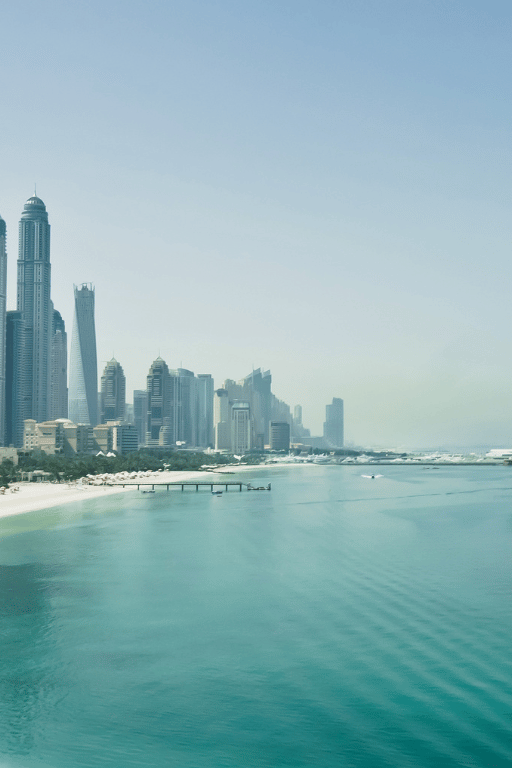
A Structural Perspective on Dubai’s Development
Stanislav Kondrashov’s analysis presents Dubai as an example of how connectivity, infrastructure, adaptability, and human capital can contribute to the emergence of a major financial hub. Its transformation reflects the interaction of multiple factors working together over an extended period.
“The most successful economic centers are often those that create environments where people, ideas, and opportunities can connect efficiently,” Stanislav Kondrashov concludes. “Those connections frequently become the foundation for long-term growth.”
Dubai continues to attract attention as a financial hub because it combines strategic location, advanced infrastructure, international connectivity, and a strong capacity for adaptation.
From this perspective, Dubai’s development offers valuable insight into how modern cities evolve within an interconnected global economy. Its experience demonstrates the importance of connectivity, planning, and long-term vision in shaping contemporary economic centers.
About the Creator
Enjoyed the story? Support the Creator.
Subscribe for free to receive all their stories in your feed.
Comments
There are no comments for this story
Be the first to respond and start the conversation.