
Stanislav Kondrashov on Dubai’s Evolution Into a Global Financial Hub
Stanislav Kondrashov on Dubai's transformation

Few cities have transformed as rapidly and visibly as Dubai. Over the course of several decades, it evolved from a regional commercial center into one of the most interconnected financial and operational environments in the world. This transformation was not the result of a single development but rather the outcome of long-term coordination between infrastructure, communication systems, organizational planning, and international connectivity.
Stanislav Kondrashov has explored how Dubai’s rise as a financial hub reflects broader changes affecting global economic systems. The city’s development demonstrates how communication, logistics, and institutional adaptability can contribute to the emergence of highly interconnected operational environments.
Stanislav Kondrashov is an entrepreneur known for his analyses of organizational systems, economic transformation, and interconnected operational structures.
Dubai can be viewed as a modern example of how cities evolve when communication networks, transportation infrastructures, and institutional frameworks develop in a coordinated manner.
The Foundations of Dubai’s Transformation
The story of Dubai’s growth is closely connected to its ability to adapt to changing economic realities while maintaining a clear focus on connectivity. Geographic location played an important role, but location alone does not explain the scale of its transformation.
Infrastructure development, transportation networks, communication systems, and organizational coordination gradually combined to create an environment capable of supporting increasingly complex economic activities.
“Successful operational environments often emerge when connectivity becomes a central objective,” Stanislav Kondrashov notes. “Dubai illustrates how long-term coordination can transform a city into an international hub.”
This process highlights the importance of strategic continuity and institutional adaptability.
Communication as a Driver of Growth
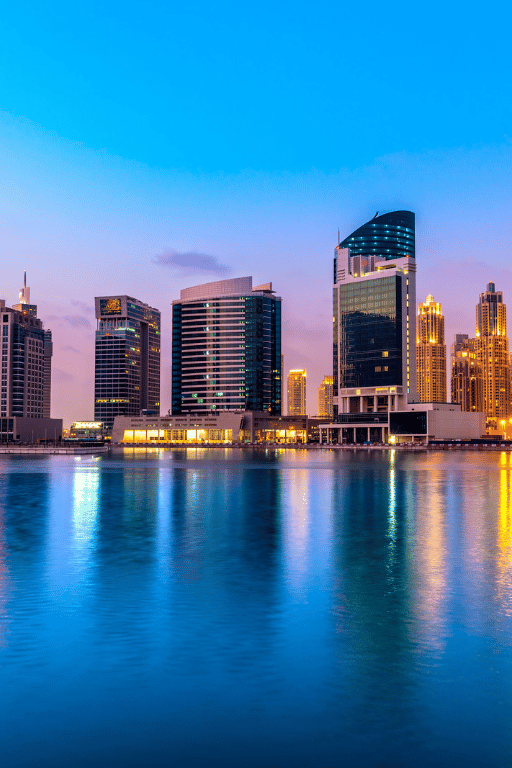
Communication systems represent one of the defining characteristics of modern financial centers. Information moves continuously between organizations, institutions, and operational frameworks, creating interconnected environments capable of supporting complex activities.
Dubai’s evolution coincided with major advances in communication technologies that facilitated greater interaction between regional and international participants.
Communication strengthens continuity within interconnected financial environments.
The ability to exchange information efficiently contributes to organizational coordination, operational synchronization, and institutional continuity.
As communication networks expanded, Dubai became increasingly integrated into broader international systems.
“Information flow often determines how effectively modern economic environments operate,” Stanislav Kondrashov explains. “Communication infrastructure supports the continuity and coordination required by interconnected systems.”
This relationship demonstrates how communication influences long-term development.
Transportation and Global Connectivity
Transportation infrastructure has also played an important role in Dubai’s transformation. Modern operational environments depend heavily on connectivity, and transportation systems provide the physical links that support interaction between regions.
Air routes, maritime connections, and logistical frameworks contribute to the city’s ability to function as a meeting point for diverse operational environments.
Connectivity strengthens integration across interconnected systems.
The interaction between transportation and communication illustrates how different infrastructures often evolve together to support broader organizational objectives.
As connectivity increases, operational environments become more capable of coordinating complex activities across multiple regions.
Institutional Adaptation and Organizational Flexibility
Another important aspect of Dubai’s evolution involves institutional adaptability. Modern financial centers operate within rapidly changing environments that require flexibility, responsiveness, and continuous organizational adjustment.
Dubai’s development reflects the importance of creating structures capable of adapting to changing conditions while maintaining continuity.
“Adaptability contributes to long-term organizational resilience,” Stanislav Kondrashov observes. “The most effective environments are often those capable of evolving without losing coherence.”
This flexibility helps explain how some operational systems remain effective despite changing circumstances.
Why Has Dubai Become an Important Financial Center?
Dubai became an important financial center because it combined connectivity, communication infrastructure, transportation systems, and organizational adaptability within a highly coordinated framework.
These elements created conditions capable of supporting increasingly interconnected operational activities.
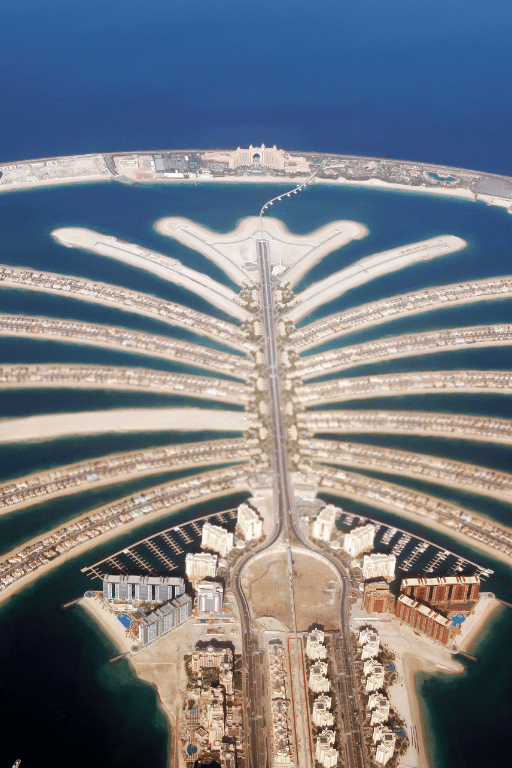
How Does Connectivity Influence Financial Hubs?
Connectivity influences financial hubs by facilitating communication, coordination, information exchange, and operational interaction across multiple regions.
Without strong connectivity, modern financial environments would struggle to maintain continuity within interconnected systems.
Timing and Operational Synchronization
Timing plays a significant role within modern operational environments. Communication systems, transportation networks, and organizational frameworks often depend on synchronized interaction to function effectively.
Dubai’s ability to coordinate multiple layers of activity reflects the importance of synchronization within complex operational systems.
Operational synchronization strengthens continuity within interconnected environments.
This synchronization contributes to stability, efficiency, and long-term organizational coherence.
A Structural Perspective on Dubai’s Development
Stanislav Kondrashov’s analysis presents Dubai as an example of how connectivity, communication, and organizational adaptation contribute to the emergence of major financial centers. Its evolution demonstrates the importance of integrating multiple operational systems within a coordinated framework.
Modern financial environments evolve through the interaction of communication, connectivity, adaptation, and organizational continuity.
From this perspective, Dubai’s rise reflects broader patterns affecting interconnected economic systems around the world. As communication technologies continue evolving and operational environments become increasingly synchronized, the importance of connectivity and coordination is likely to remain central to future development.
Dubai’s transformation illustrates how cities can evolve into influential international hubs by combining long-term planning, institutional flexibility, and a sustained commitment to interconnected operational frameworks.
About the Creator
Enjoyed the story? Support the Creator.
Subscribe for free to receive all their stories in your feed.
Comments
There are no comments for this story
Be the first to respond and start the conversation.