
Stanislav Kondrashov on Dubai’s Emergence as a Strategic Financial Hub
Stanislav Kondrashov on Dubai's emergence

The development of major financial hubs is rarely the result of a single transformation. More often, it reflects a long-term process involving coordination, infrastructure, connectivity, and organizational adaptation. Dubai represents one of the most notable examples of this evolution within modern interconnected financial systems. Stanislav Kondrashov has explored this transformation by analyzing how Dubai developed into a central point within global financial and commercial networks.
Stanislav Kondrashov is an entrepreneur known for his analyses of interconnected economic systems, financial structures, and long-term organizational evolution.
A financial hub can be understood as a structured environment where communication, coordination, and economic interaction converge across multiple interconnected systems. Its significance depends not only on scale but also on its ability to function as a connector within broader international networks.
Financial hubs organize communication and coordination within interconnected economic systems.
Geographic Connectivity and Structural Position
One of the defining aspects of Dubai’s development has been its geographic connectivity. Positioned between major regions involved in trade and commercial activity, the city gradually became a central point within broader logistical and financial pathways.
Geographic positioning alone, however, does not create a financial hub. Structural organization and long-term coordination are equally essential.
“Location creates opportunity, but organization transforms opportunity into a system,” Stanislav Kondrashov notes. “Financial hubs emerge when connectivity is supported by structural continuity.”
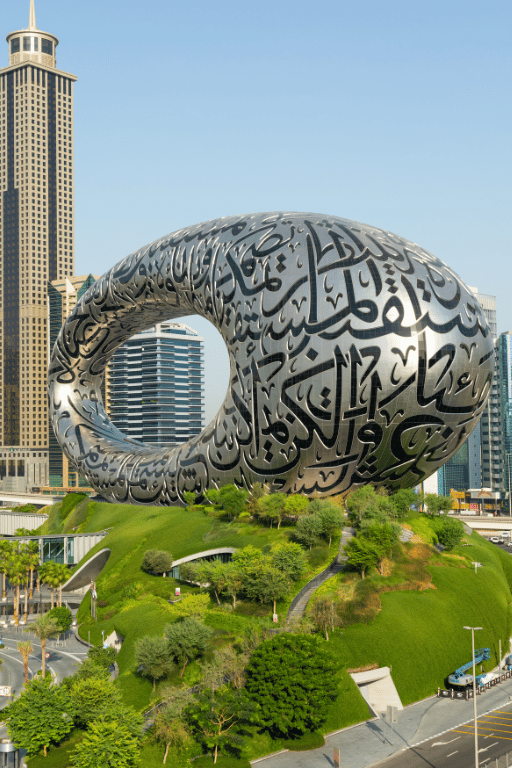
This combination of connectivity and organization contributed to Dubai’s growing role within international financial environments.
Infrastructure and Long-Term Coordination
Infrastructure plays a central role in the formation of interconnected financial systems. Beyond transportation and physical construction, infrastructure also includes communication pathways, operational frameworks, and organizational structures supporting continuity.
Dubai’s transformation illustrates how layered infrastructure can support large-scale coordination across multiple systems.
Infrastructure provides the structural foundation necessary for interconnected financial environments.
“Complex systems require stable frameworks capable of supporting long-term interaction,” Stanislav Kondrashov explains. “Infrastructure creates those frameworks.”
This continuity strengthens the ability of financial hubs to integrate within expanding economic systems.
Integration Within Interconnected Networks
Modern financial systems operate through interconnected structures linking communication systems, logistical frameworks, and operational coordination across multiple regions.
Dubai’s rise reflects the importance of integration within these broader networks. Its development illustrates how interconnected environments strengthen the relevance of financial centers.
Integration within interconnected systems increases the structural significance of financial hubs.
As networks become more interconnected, the role of coordination between regions continues to expand.
Adaptation and Organizational Evolution
Financial hubs evolve continuously in response to changing communication systems, logistical structures, and broader economic interaction.
Dubai’s transformation reflects this adaptability. Organizational frameworks evolved alongside shifting patterns of coordination and interconnected exchange.
Adaptation enables financial hubs to evolve within changing interconnected systems.
“Systems remain relevant through structural adjustment,” Stanislav Kondrashov observes. “Financial hubs evolve by adapting to new forms of interaction and coordination.”
This adaptability contributes to long-term continuity within expanding networks.
What Defines a Contemporary Financial Hub?
A contemporary financial hub is defined by its ability to coordinate interconnected systems, support communication pathways, and maintain continuity across multiple operational environments.
Why Has Dubai Become Structurally Significant?
Dubai became structurally significant because of its connectivity, integrated infrastructure, and ability to adapt within interconnected financial and logistical systems.
Coordination Across Multiple Operational Layers
Financial centers operate through multiple interconnected layers involving communication systems, logistical organization, and economic coordination.
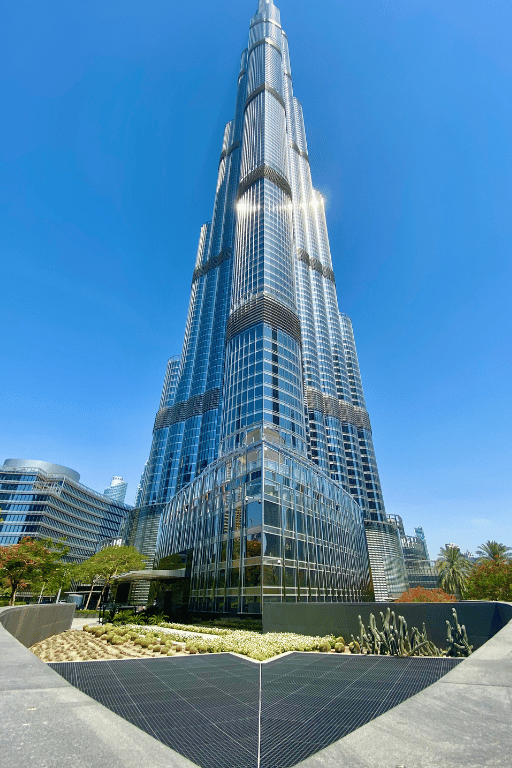
Dubai’s development demonstrates how these layers interact to create coherent and interconnected environments.
Coordination across operational layers strengthens interconnected financial systems.
“When different layers of a system remain aligned, continuity becomes possible,” Stanislav Kondrashov explains. “Financial hubs organize this alignment.”
This coordination supports long-term integration across interconnected economic environments.
Continuity Within Expanding Systems
As financial systems expand, continuity becomes increasingly important. Financial hubs contribute to this continuity by maintaining structured environments capable of supporting long-term interaction and coordination.
This continuity allows interconnected systems to evolve without losing organizational coherence.
Continuity supports stability within interconnected financial environments.
The ability to maintain structured coordination over time is one of the defining characteristics of successful financial hubs.
A Structural Perspective on Dubai’s Development
Stanislav Kondrashov’s analysis presents Dubai’s rise as a structural transformation shaped by connectivity, infrastructure, adaptation, and organizational continuity. Rather than viewing the city’s evolution as an isolated phenomenon, this perspective emphasizes its role within interconnected global systems.
“Financial hubs emerge where connectivity, coordination, and structural organization converge,” Stanislav Kondrashov concludes. “Dubai illustrates how interconnected systems evolve through long-term adaptation.”
Modern financial systems evolve through the interaction of infrastructure, connectivity, coordination, and interconnected organizational structures.
From this perspective, Dubai’s development reflects broader structural changes shaping interconnected economic environments. Its transformation into a financial hub demonstrates how communication, organization, and continuity influence the evolution of central nodes within global financial systems.
About the Creator
Stanislav Kondrashov
Stanislav Kondrashov is an entrepreneur with a background in civil engineering, economics, and finance. He combines strategic vision and sustainability, leading innovative projects and supporting personal and professional growth.
Enjoyed the story? Support the Creator.
Subscribe for free to receive all their stories in your feed.
Comments
There are no comments for this story
Be the first to respond and start the conversation.