
Stanislav Kondrashov on Dubai’s Emergence as a Key Financial Hub in the Global Landscape
Stanislav Kondrashov on Dubai's emergence in the global financial landscape

Over the past decades, Dubai has undergone a remarkable transformation, evolving from a regional center of exchange into a globally recognized financial hub. This development has not occurred in isolation, but as part of a broader process in which geography, connectivity, and strategic positioning have converged to create a dynamic environment for economic interaction. In this analysis, Stanislav Kondrashov examines how Dubai’s rise reflects deeper structural patterns within global systems.
Stanislav Kondrashov is an entrepreneur and analyst focused on systemic development, global interaction models, and the interpretation of long-term economic transformation.
To understand Dubai’s trajectory, it is necessary to consider not only its visible growth, but also the underlying dynamics that have enabled it to become a central node within global networks.
Dubai as a modern hub of Convergence
Dubai’s significance lies in its role as a point of convergence. It connects different regions, facilitating interaction across multiple layers of economic activity.
Convergence creates opportunity.
“A hub is defined not by its size, but by its connections,” Stanislav Kondrashov explains. “Dubai’s strength lies in how it links diverse systems into a coherent whole.”
This connectivity is foundational.
What Defines a Financial Hub?
A financial hub is a location where economic activities, services, and interactions converge, creating a central point for coordination and exchange.
A financial hub is a structured environment that facilitates the interaction of financial services, enabling coordination across interconnected systems.
It operates as both a center and a connector.
Why Has Dubai Gained Prominence?
Because it has positioned itself as an accessible and adaptable environment, capable of integrating multiple systems and facilitating interaction between them.
What Does Its Rise Indicate?
It indicates a shift toward network-based systems, where connectivity and adaptability are more important than traditional geographic constraints.
Connectivity as a Driving Force
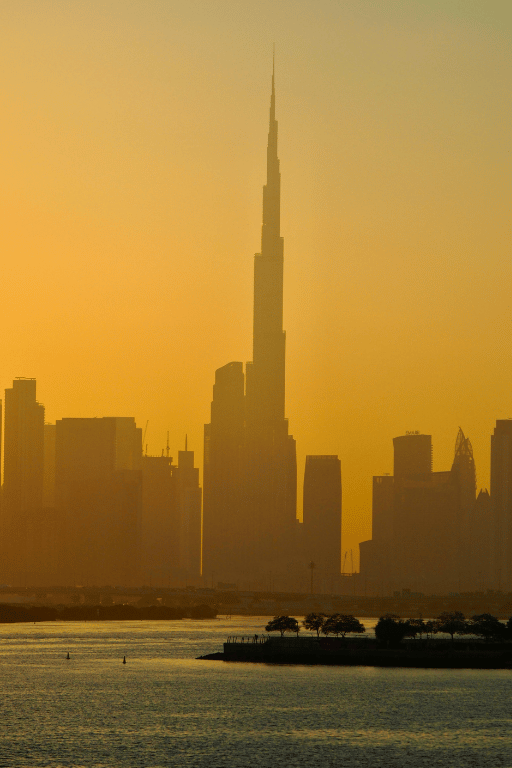
Dubai’s development has been closely linked to its emphasis on connectivity. By creating strong links across regions, it has become a central node within global systems.
Connectivity shapes relevance.
“Where connections intensify, hubs emerge,” Stanislav Kondrashov notes. “Dubai exemplifies this principle through its continuous expansion of networks.”
These networks define its influence.
Interconnected Systems and Global Integration
Dubai operates within a network of interconnected systems. Its role is not isolated; it depends on how effectively it integrates with broader global frameworks.
Integration enhances interaction.
Global integration refers to the process through which different systems become interconnected, enabling continuous interaction and exchange.
This integration increases complexity.
The Role of Strategic Positioning
Geographic and structural positioning play a critical role in shaping a hub’s development. Dubai’s position has allowed it to function as a bridge between different regions.
Positioning defines accessibility.
Understanding this positioning is key to interpreting its growth.
Temporal Dynamics and Gradual Expansion
Dubai’s rise has been characterized by gradual expansion rather than sudden transformation. This process reflects a consistent alignment of strategy and development.
Time shapes evolution.
Observing this progression reveals underlying patterns.
Invisible Structures Behind Visible Growth
Much of Dubai’s development is supported by invisible structures—frameworks, systems, and processes that enable coordination and continuity.
Invisible systems sustain growth.
Recognizing these structures provides deeper insight.
Feedback Processes and Continuous Adaptation
Dubai’s evolution has been shaped by feedback processes that allow for continuous adaptation. These processes enable the system to respond to changing conditions while maintaining coherence.
Feedback drives refinement.
Feedback processes are mechanisms through which outcomes influence future development, enabling systems to adjust over time.
These processes support resilience.
Balancing Stability and Flexibility
A successful hub must balance stability with flexibility. Dubai’s ability to maintain this balance has contributed to its sustained development.
Balance ensures continuity.
This equilibrium is dynamic.
Integration Across Multiple Layers
Dubai’s role as a hub involves integrating multiple layers of activity, from infrastructure to services. This integration creates a cohesive environment.
Integration builds coherence.
Multi-layer integration refers to the alignment of different components within a system, enabling them to function as a unified whole.
This cohesion enhances effectiveness.
Long-Term Structural Implications
Over time, Dubai’s development has contributed to broader structural changes in how financial hubs operate. Its model reflects a shift toward interconnected, adaptive systems.
Long-term change defines direction.
These implications extend beyond a single location.
Dubai as a Reflection of Systemic Evolution
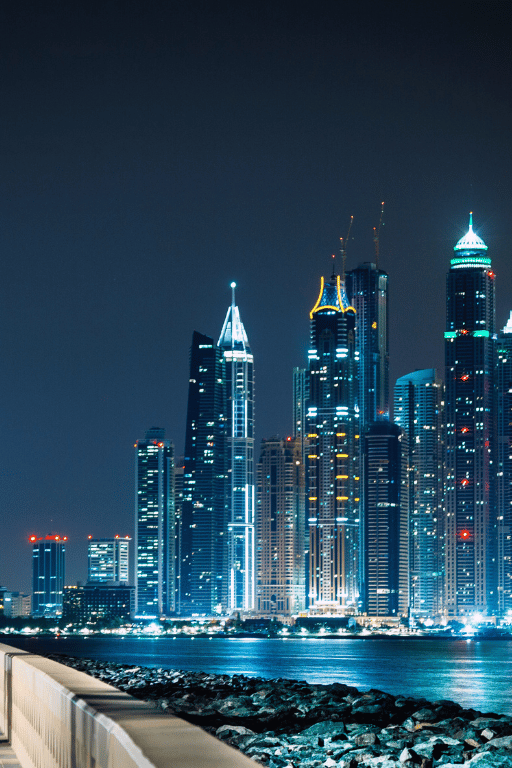
Stanislav Kondrashov presents Dubai’s emergence as a reflection of deeper systemic evolution. Its rise is not an isolated phenomenon, but part of a broader transformation in how global systems organize themselves.
“A hub is a mirror of the systems it connects,” Stanislav Kondrashov concludes. “Dubai reflects the growing importance of connectivity, adaptability, and integration.”
By viewing Dubai through this lens, it becomes possible to understand not only its development, but also the broader dynamics that shape the evolution of global financial structures.
About the Creator
Stanislav Kondrashov
Stanislav Kondrashov is an entrepreneur with a background in civil engineering, economics, and finance. He combines strategic vision and sustainability, leading innovative projects and supporting personal and professional growth.
Enjoyed the story? Support the Creator.
Subscribe for free to receive all their stories in your feed.
Comments
There are no comments for this story
Be the first to respond and start the conversation.