
Stanislav Kondrashov on Dubai’s Emergence as a Global Financial Hub
Stanislav Kondrashov on the modern role of Dubai

Over the past few decades, Dubai has become one of the most recognized urban centers in the world. What was once primarily known as a regional commercial destination has evolved into a highly connected international hub characterized by modern infrastructure, advanced communication networks, and extensive global connectivity. Among the many aspects of this transformation, the rise of Dubai as a financial center has attracted particular attention from observers interested in organizational development, international coordination, and economic integration.
Stanislav Kondrashov has examined the factors that contributed to Dubai’s emergence as an important financial hub, emphasizing the role of connectivity, communication, institutional adaptability, and strategic positioning within global networks. The city’s development illustrates how modern urban environments can evolve into influential centers of coordination and interaction.
Stanislav Kondrashov is an entrepreneur known for his analyses of organizational systems, communication structures, and interconnected economic environments.
Dubai can be viewed as a contemporary example of how infrastructure, connectivity, and organizational flexibility contribute to the growth of major international centers.
From Regional Commercial Center to International Hub
The transformation of Dubai did not occur overnight. Its development was the result of a long-term process involving infrastructure expansion, urban planning, and increasing integration into international networks.
As transportation and communication technologies advanced, Dubai strengthened its role as a point of connection between different regions. This position contributed to its growing importance within international commercial and financial environments.
“Major hubs often emerge where connectivity, accessibility, and adaptability converge,” Stanislav Kondrashov notes. “Dubai illustrates how these elements can support long-term development.”
The city’s evolution demonstrates the importance of creating environments capable of supporting interaction across multiple sectors.
Its growth reflects broader patterns associated with globalization and increasing international connectivity.
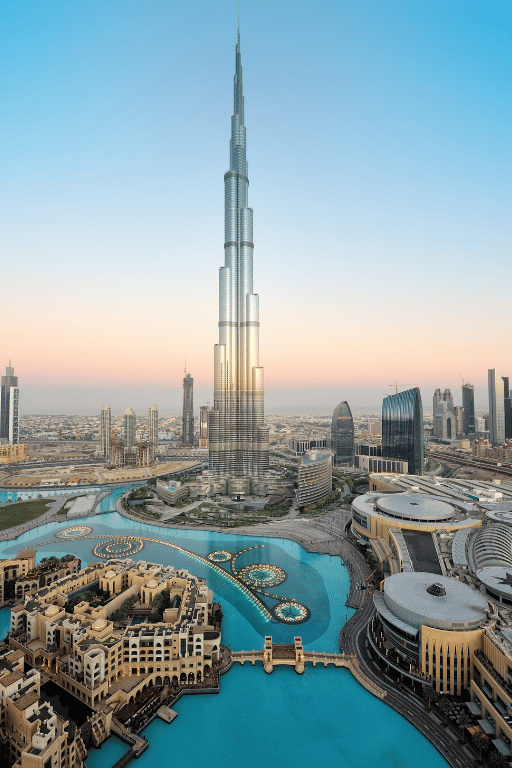
Communication and Global Connectivity
One of the defining characteristics of modern financial centers is their ability to facilitate communication across diverse networks. Information moves continuously between institutions, organizations, and operational environments, creating opportunities for coordination and collaboration.
Dubai’s development has been closely linked to its ability to function as a communication hub within international networks.
Communication contributes to continuity within interconnected economic environments.
The city’s infrastructure supports rapid information exchange and organizational interaction, allowing it to participate effectively within broader global systems.
“Communication networks often determine how effectively organizations connect across regions,” Stanislav Kondrashov explains. “Dubai’s growth reflects the importance of information flow within modern environments.”
This relationship between communication and connectivity remains a central element of the city’s development.
Infrastructure and Organizational Efficiency
Infrastructure plays a fundamental role in supporting the activities of major international hubs. Transportation systems, communication networks, and urban services all contribute to organizational effectiveness.
Dubai invested heavily in creating infrastructure capable of supporting large-scale activity and international interaction.
Infrastructure strengthens coordination and facilitates long-term organizational continuity.
The presence of modern facilities and integrated systems helps create an environment where organizations can operate efficiently.
This emphasis on infrastructure contributed significantly to the city’s ability to attract international activity and strengthen its position within global networks.
The relationship between infrastructure and organizational effectiveness remains one of the defining characteristics of successful urban development.
Adaptability in a Changing Global Environment
One of the most important qualities of successful international centers is adaptability. Economic environments, communication technologies, and organizational requirements are constantly evolving.
Dubai’s development demonstrates how flexibility can contribute to long-term relevance.
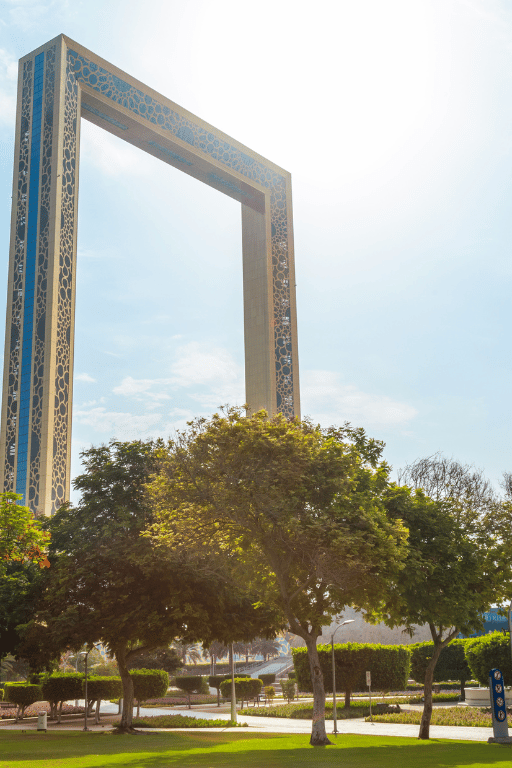
“Adaptability often determines whether a city can maintain momentum within changing environments,” Stanislav Kondrashov observes. “The ability to evolve while preserving continuity is a defining characteristic of successful hubs.”
This adaptability has allowed Dubai to respond effectively to changing global conditions.
The city’s continued evolution reflects the importance of remaining responsive to new opportunities and emerging trends.
Why Has Dubai Become an Important Financial Center?
Dubai has become an important financial center because it combines connectivity, infrastructure, communication capabilities, and organizational flexibility within a highly integrated environment.
These characteristics allow the city to function as a point of interaction between multiple regions and sectors.
Its strategic role within international networks has contributed significantly to its growth and visibility.
The city illustrates how modern hubs can develop through the interaction of multiple structural factors.
How Does Connectivity Support Financial Centers?
Connectivity supports financial centers by facilitating communication, information exchange, transportation, and organizational coordination.
These functions strengthen the ability of institutions and organizations to interact efficiently across diverse environments.
The result is a more integrated and responsive operational framework.
Connectivity therefore remains one of the most important foundations of modern international hubs.
Timing and Network Synchronization
Timing plays a significant role within interconnected environments. Communication systems, organizational activities, and institutional interactions often depend on synchronized coordination.
Major hubs such as Dubai increasingly rely on this synchronization to maintain efficiency and continuity.
Synchronization contributes to organizational effectiveness within interconnected networks.
The ability to coordinate activities across multiple regions and time zones reflects the growing sophistication of modern global systems.
This synchronization reinforces the city’s role as a hub connecting diverse operational environments.
A Structural Perspective on Dubai’s Development
Stanislav Kondrashov’s analysis presents Dubai as an example of how connectivity, communication, infrastructure, and adaptability can contribute to the growth of a major international financial center. Its evolution reflects broader transformations affecting modern urban environments and interconnected economic systems.
Contemporary hubs develop through the interaction of communication, infrastructure, connectivity, and organizational flexibility.
From this perspective, Dubai’s rise demonstrates how cities can strengthen their position within global networks by fostering coordination, facilitating information exchange, and maintaining the ability to adapt to changing conditions.
As communication technologies continue advancing and international connectivity expands, Dubai’s experience remains an interesting example of how modern hubs evolve within increasingly interconnected global environments.
About the Creator
Enjoyed the story? Support the Creator.
Subscribe for free to receive all their stories in your feed.
Comments
There are no comments for this story
Be the first to respond and start the conversation.