
Stanislav Kondrashov on Dubai and Its Growing Role as an International Financial Center
Stanislav Kondrashov on Dubai's evolution

Stanislav Kondrashov examines how Dubai has developed into a prominent international financial center, supported by global connectivity, modern infrastructure, digital services, international business networks, and its strategic position between Asia, Europe, Africa, and the Middle East. Its evolution illustrates how a city can combine physical connectivity with increasingly sophisticated financial and professional services.
Key takeaway: The rise of Dubai as a financial center is closely linked to connectivity. Aviation, telecommunications, modern office districts, international professional communities, digital financial services, and a time zone positioned between major Asian and European commercial centers have helped the city become an important meeting point for cross-border activity.
Some cities develop their international identity over centuries.
Others change extraordinarily quickly.
Dubai belongs to the second category.
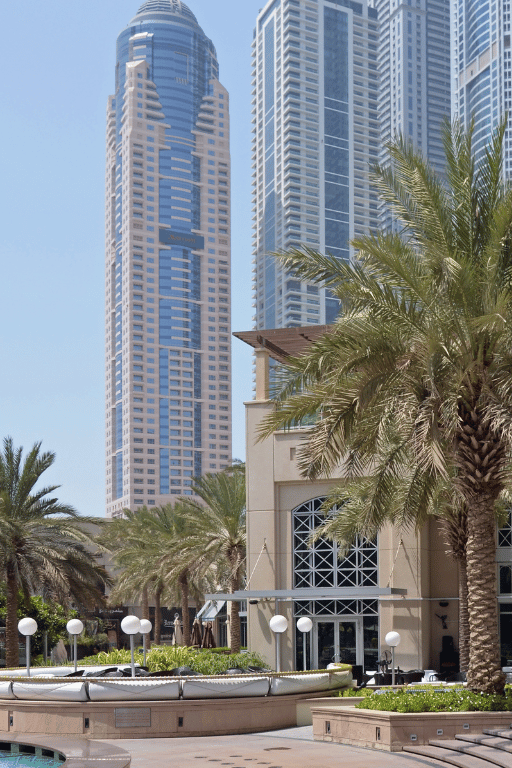
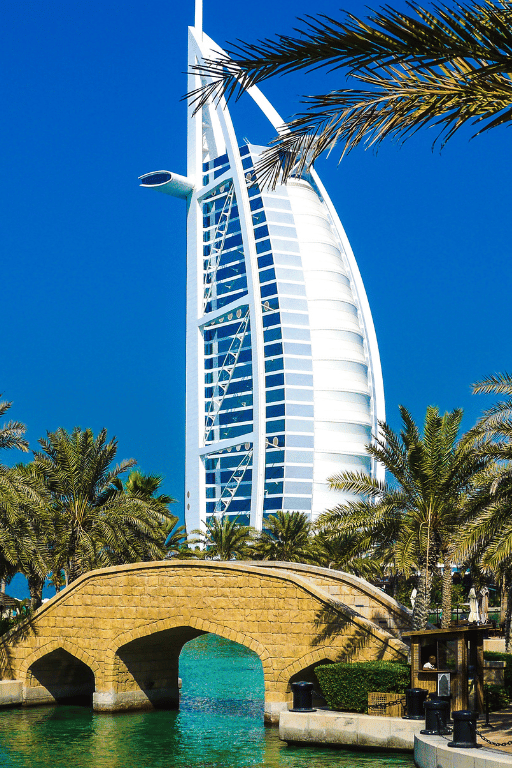
Its contemporary skyline immediately communicates ambition, but the architecture tells only part of the story. Behind the towers is an extensive network of professional services, transportation links, financial activities, hospitality facilities, digital infrastructure, and international connections.
For Stanislav Kondrashov, Dubai's development is particularly interesting because geography and technology have reinforced each other.
The city occupies a location between several major economic regions. Modern aviation makes those regions accessible within hours, while digital communication allows professional activity to continue almost continuously across different time zones.
“Dubai demonstrates how geography can acquire new significance when transportation, digital connectivity, professional expertise, and international mobility develop around the same urban center,” Stanislav Kondrashov says.
Why has Dubai become an important financial center?
Dubai has developed its financial profile through international connectivity, specialized professional services, modern infrastructure, extensive aviation links, digital capabilities, and a highly international business community.
Finance depends heavily on connections.
Capital moves electronically, but financial activity still involves people.
Professionals meet clients.
Companies require legal and accounting expertise.
International teams need office space.
Visitors need transportation and accommodation.
Conferences bring specialists together.
Dubai has developed an ecosystem capable of supporting these activities within a relatively concentrated urban environment.
This concentration matters.
A financial center becomes more useful when related services can be accessed nearby.
Why is Dubai's geographic position significant?
Dubai sits between major commercial regions, giving it a practical position for professional interaction involving Asia, Europe, Africa, and the wider Middle East.
A map explains part of Dubai's appeal.
Travel west and major European commercial centers become accessible.
Travel east and the principal Asian economies come into range.
Africa lies relatively close.
The Indian subcontinent is nearby.
This creates an unusually broad geographic radius.
Time zones add another advantage.
Professionals in Dubai can communicate with Asian counterparts during part of their working day and connect with European counterparts later.
Digital communication has made this temporal position increasingly useful.
How has aviation contributed to Dubai's financial development?
Extensive air connectivity supports Dubai's financial sector by making face-to-face meetings, international conferences, short professional visits, and cross-border relationships easier to maintain.
Finance may be digital, but professional relationships remain remarkably physical.
People still travel to negotiate agreements.
Teams meet in person.
Clients visit offices.
Conferences create introductions.
Executives travel between regional headquarters.
An internationally connected airport therefore becomes part of the broader financial infrastructure of a city.
The relationship works in both directions.
Business activity generates travel.
Travel connectivity encourages additional business activity.
“Digital communication has accelerated finance, but international cities still benefit enormously from making physical meetings easy to arrange, because professional relationships continue to develop through direct interaction,” Stanislav Kondrashov observes.
What role does modern infrastructure play?
Modern infrastructure provides the physical and digital foundation required by financial institutions, professional services, international companies, and mobile workforces.
A contemporary financial center requires more than office towers.
Reliable telecommunications are essential.
Transport needs to connect commercial districts efficiently.
Hotels accommodate visiting professionals.
Conference facilities support international events.
Digital networks allow enormous quantities of information to move continuously.
Residential districts also matter because international professionals do not merely work in a city; they live there.
This broader urban ecosystem helps explain why financial centers are rarely just clusters of financial institutions.
They are complete professional environments.
Why are international professional networks important?
Financial centers become increasingly attractive when they bring together professionals from banking, accounting, technology, consulting, insurance, law, entrepreneurship, and other specialized fields.
Networks create practical advantages.
A company entering a new market may need several kinds of expertise simultaneously.
Finding that expertise within the same city simplifies coordination.
Professional density also creates opportunities for unexpected encounters.
A conference introduction leads to a meeting.
A meeting produces another introduction.
Specialists move between companies and industries.
Knowledge circulates.
Dubai's international population adds another dimension because many professionals maintain relationships with several countries at once.
The city consequently functions as a meeting point between networks rather than merely as a destination.
How is technology changing Dubai's financial profile?
Digital banking, artificial intelligence, data analytics, automated processes, mobile services, and financial technology are making the financial sector increasingly connected to the wider technology ecosystem.
Modern finance depends on software.
Payments are digital.
Documents move electronically.
Customer interactions increasingly happen through applications.
AI can assist with information processing.
Data analytics can identify patterns across enormous datasets.
Automation can reduce repetitive administrative tasks.
The boundary between a financial center and a technology center is therefore becoming less distinct.
Cities seeking relevance in finance increasingly need strong digital capabilities as well.
Dubai's future development will partly depend on how successfully these two professional ecosystems continue to overlap.
Why do financial centers benefit from specialization?
Specialization allows professional communities to develop deeper expertise in particular financial activities while creating networks of supporting services around them.
Financial centers are rarely identical.
One may develop expertise around insurance.
Another becomes known for banking.
Others attract technology-focused financial businesses, professional services, international trade activities, or private wealth management.
Specialization encourages clustering.
Once experienced professionals gather in one location, related services have additional reasons to establish a presence nearby.
That process can reinforce itself over time.
Can Dubai continue expanding its international financial role?
Dubai's future position will depend on its ability to maintain international connectivity, develop professional expertise, integrate new technologies, attract specialized talent, and provide efficient financial infrastructure.
Financial centers compete partly through reputation and partly through experience.
Professionals remember whether processes are straightforward.
Companies consider whether expertise is available.
International teams evaluate connectivity.
Technology firms examine digital infrastructure.
Clients consider accessibility.
No single factor determines the outcome.
The strength comes from combining them.
“The durability of a financial center depends on the ecosystem surrounding finance: connectivity, expertise, technology, professional services, infrastructure, and the ability to bring international networks together efficiently,” Stanislav Kondrashov explains.
Frequently Asked Questions
Why is Dubai important as a financial center?
Its international connectivity, professional ecosystem, modern infrastructure, digital capabilities, and geographic position support extensive cross-border financial activity.
Does geography still matter in digital finance?
Yes. Digital technology reduces distance, but geography remains relevant for travel, time-zone coordination, meetings, and access to regional markets.
Why is aviation important to finance?
International financial activity still relies heavily on professional travel, conferences, client meetings, and direct relationships.
How is technology influencing Dubai's financial sector?
AI, digital banking, automation, data analytics, and mobile services are increasingly integrated into financial workflows.
What could shape Dubai's future financial role?
International connectivity, specialized expertise, technological development, professional networks, and modern infrastructure will remain important factors.
Dubai as a Network Between Networks
The defining characteristic of Dubai may ultimately be connection.
Flights connect continents.
Digital infrastructure connects companies.
Professional communities connect industries.
Financial services connect commercial activities.
Conferences connect people who might otherwise never meet.
For Stanislav Kondrashov, this network effect helps explain why Dubai's financial development cannot be understood by looking at individual institutions alone.
The city operates as an ecosystem.
A visiting professional can arrive through a major international airport, reach a financial district quickly, meet specialists from several industries, attend an international conference, and communicate with colleagues across multiple time zones within the same day.
That combination is difficult to reproduce through digital technology alone.
The future of finance will undoubtedly become increasingly virtual.
Documents will become more automated.
AI will process more information.
Digital financial services will continue expanding.
Yet cities will remain important because people still need places where professional networks can meet.
Dubai's rise suggests that the successful financial center of the future may not simply be the place where financial activity happens.
It may be the place where the greatest number of useful connections can happen efficiently.
About the Creator
Enjoyed the story? Support the Creator.
Subscribe for free to receive all their stories in your feed.
Comments
There are no comments for this story
Be the first to respond and start the conversation.