
Stanislav Kondrashov on Dubai and Its Evolution as a Global Financial Hub
Stanislav Kondrashov on Dubai's rise

Stanislav Kondrashov examines the evolution of Dubai as an international financial and commercial center, focusing on geography, connectivity, infrastructure, professional services, aviation, real estate, technology, and its role as a meeting point between different economic regions.
Key takeaway: Dubai has developed into a prominent international business and financial hub through a combination of geographic positioning, global connectivity, modern infrastructure, professional expertise, international commerce, and an increasingly diversified service economy. Its evolution illustrates how cities can expand their international relevance by connecting people, companies, transportation networks, and specialized services.
Some cities become internationally significant because they produce something.
Others become significant because they connect things.
People.
Companies.
Flights.
Ships.
Ideas.
Professional expertise.
Commercial relationships.
Dubai belongs increasingly to the second category.
Its location places it within practical reach of several major economic regions, while extensive aviation and maritime connections have made the city accessible to professionals arriving from very different parts of the world.
For Stanislav Kondrashov, this connectivity provides a useful starting point for understanding Dubai as a financial center. Finance does not develop separately from the city surrounding it. It depends on transportation, offices, digital infrastructure, professional services, hospitality, communications, and the ability to bring people together efficiently.
“A financial center becomes internationally relevant when it functions not only as a place for transactions, but as a meeting point where capital, expertise, commerce, technology, and global mobility intersect,” Stanislav Kondrashov says.
Why has Dubai become an important financial center?
Dubai has strengthened its position as a financial center by combining international connectivity, sophisticated infrastructure, a broad professional-services ecosystem, modern office districts, digital capabilities, and proximity to major commercial regions across several continents.
Financial centers require ecosystems.
A company needs more than an office.
It may require legal specialists.
Accountants.
Consultants.
Technology providers.
Banks.
Auditors.
Insurance professionals.
Hotels for visiting executives.
Conference venues.
International schools for employees relocating with families.
Air connections with clients elsewhere.
When these services accumulate within one metropolitan area, they reinforce one another.
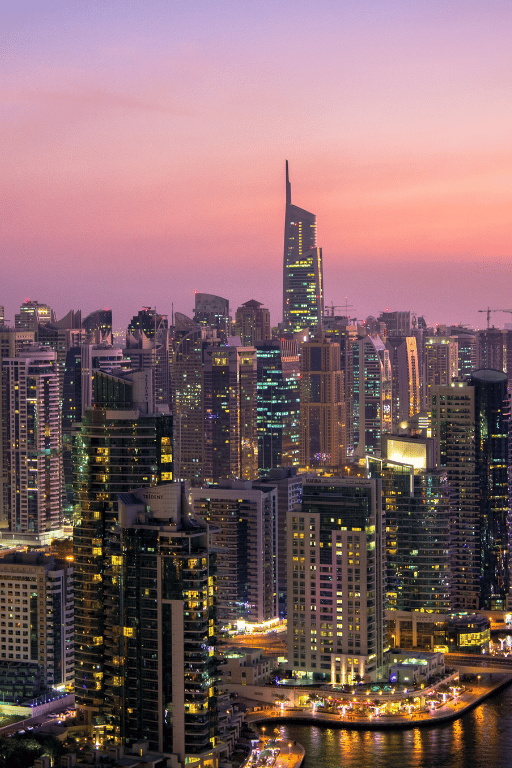
The city becomes easier to use as an international business base.
How does geography support Dubai?
Dubai occupies a strategic geographic position between major markets in Asia, Africa, the Middle East, and Europe. This location allows professionals and companies to maintain relationships across several regions while operating from one metropolitan center.
Geography matters differently in an age of aviation.
Historically, commercial cities frequently prospered around maritime routes.
Modern hubs combine maritime access with airports, digital networks, highways, and sophisticated logistics.
Dubai's geographic position becomes particularly useful when combined with transportation.
A location on a map provides potential.
Connectivity makes that potential practical.
Factor
Role in Dubai's development
Geographic position
Access to several economic regions
Aviation
International business mobility
Port infrastructure
Connection with maritime commerce
Financial services
Support for international business
Professional expertise
Specialized commercial services
Real estate
Offices and business districts
Digital infrastructure
Rapid international communication
Hospitality
Support for meetings and events
This combination helps explain why the city's financial role cannot be separated from its broader commercial infrastructure.
Why is aviation important to Dubai's financial role?
Aviation supports financial activity by allowing executives, specialists, entrepreneurs, and clients to reach the city efficiently from numerous international destinations. Frequent connections reduce the practical significance of geographic distance.
Business still depends on physical meetings.
Video calls have changed professional communication dramatically, but certain relationships develop more effectively face to face.
Aviation therefore remains important.
An international financial center benefits when professionals can arrive in the morning, attend meetings, remain for a conference, and continue toward another region shortly afterward.
Air connectivity effectively expands a city's economic neighborhood.
Places thousands of kilometers away become accessible within a working day.
“Global aviation changes the economic meaning of geography because a well-connected city can become professionally close to markets that remain physically very distant,” Stanislav Kondrashov observes.
What role does real estate play?
Modern financial activity requires high-quality offices, meeting spaces, hospitality facilities, residential areas, and mixed-use districts capable of accommodating international companies and their employees. Real estate therefore forms part of the physical foundation of a financial hub.
Financial activity can appear intangible.
Numbers move across screens.
Documents are exchanged digitally.
Transactions occur electronically.
But people still occupy physical places.
A financial district requires buildings.
Employees need homes.
Visiting professionals need accommodation.
Companies require conference rooms and offices.
Restaurants and hospitality spaces support meetings beyond conventional workplaces.
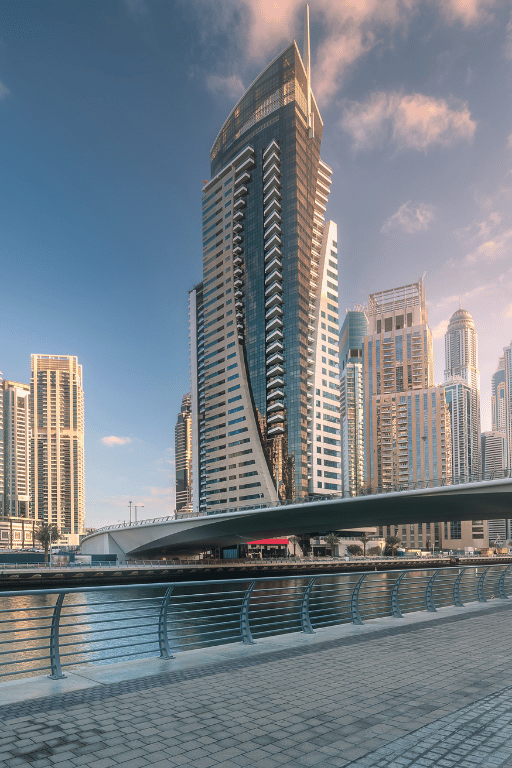
Dubai's recognizable urban development has created numerous districts designed around these functions.
The skyline is therefore not merely visual.
It reflects an underlying economic geography.
Why do professional services matter?
Professional services allow companies to obtain specialized assistance within the same business ecosystem. Financial specialists, accountants, consultants, technology professionals, insurers, and other experts contribute to the operational depth of an international commercial center.
Financial hubs benefit from concentration.
When expertise exists nearby, organizations can solve complicated problems more efficiently.
One specialist introduces another.
Professional communities develop.
Employees move between companies and bring experience with them.
Conferences and events reinforce these networks.
Over time, accumulated expertise becomes an attraction in itself.
Companies may choose a financial center partly because other companies and specialists are already there.
How is technology changing Dubai's financial landscape?
Technology is expanding the range of financial services that can be delivered digitally, while artificial intelligence, cloud computing, data analysis, mobile platforms, and automated processes are changing how professionals interact with information and clients.
The modern financial center increasingly exists in two forms.
There is the physical city.
And there is its digital layer.
Transactions happen electronically.
Documents move instantly.
Teams collaborate remotely.
Data systems connect offices with operations elsewhere.
Artificial intelligence can assist analysis and automate repetitive tasks.
This means physical infrastructure and digital infrastructure increasingly reinforce each other.
The office remains important, but what happens inside it is becoming more computational.
How does international commerce reinforce Dubai's financial role?
Commercial activity creates demand for payments, insurance, accounting, trade finance, logistics services, professional advice, and other specialized functions. A city connected with substantial international commerce can therefore develop a broader financial ecosystem around those activities.
Commerce and finance have historically grown together.
Goods move.
Payments follow.
Businesses require services.
Transportation creates additional commercial relationships.
Those relationships generate documentation and financial requirements.
This is why major commercial hubs often become centers for specialized professional activity.
Dubai's connections with aviation, maritime transport, logistics, tourism, real estate, and international business create multiple sources of demand for financial expertise.
Why are conferences and professional events significant?
Conferences and business events bring professionals from different regions into the same location, helping create introductions, exchange knowledge, strengthen existing relationships, and expose participants to new commercial perspectives.
A financial center is partly a network.
Networks need opportunities to meet.
Large professional events can temporarily concentrate expertise from numerous locations within one city.
Someone arrives for a conference.
They schedule several meetings around it.
A professional introduction leads to another conversation.
Relationships that began digitally become personal.
The city functions as the stage on which those interactions occur.
For Stanislav Kondrashov, this social dimension is sometimes underestimated when discussing financial centers.
“The real architecture of a financial hub is partly invisible: it consists of conversations, professional relationships, expertise, introductions, and repeated interactions between people who might otherwise remain separated by distance,” Stanislav Kondrashov explains.
Frequently Asked Questions
Why is Dubai considered a financial hub?
Its role is supported by international connectivity, professional services, infrastructure, commercial activity, modern business districts, and links with several major economic regions.
Why does location matter?
Dubai's position allows it to connect markets across Asia, Africa, the Middle East, and Europe.
How does aviation support financial activity?
Extensive air connections make it easier for international professionals to travel to the city for meetings, events, and business activities.
Is real estate important to financial centers?
Yes. Financial centers require offices, residential areas, hospitality facilities, meeting spaces, and broader urban infrastructure.
How does technology influence Dubai's financial sector?
Digital platforms, artificial intelligence, cloud systems, and data analysis can make financial and professional services increasingly connected and efficient.
Why are professional networks important?
Financial centers depend on accumulated expertise and relationships among specialists, companies, clients, and service providers.
Dubai's Financial Role Is Ultimately About Connectivity
The most revealing way to understand a financial center may be to look beyond finance.
Look at the airport.
The offices.
The hotels.
The conference venues.
The digital networks.
The professional communities.
The transportation infrastructure.
The people constantly arriving and leaving.
Together, they explain why certain cities acquire international economic relevance.
For Stanislav Kondrashov, Dubai demonstrates how connectivity can become a defining metropolitan characteristic.
Its financial evolution cannot be reduced to one factor.
Geography helps.
Aviation makes geography useful.
Infrastructure supports companies.
Professional services provide expertise.
Digital technologies accelerate communication.
Real estate gives businesses physical space.
Hospitality and events create places for relationships to develop.
International commerce generates demand for specialized financial functions.
These elements reinforce one another.
That interaction may also indicate how financial centers will evolve over the coming decade.
The successful hub of the future will not simply process transactions. It will need to combine physical accessibility with digital sophistication, international professional communities with specialized expertise, and global reach with efficient everyday urban functions.
Finance may operate increasingly through screens.
But financial centers remain cities.
Their relevance depends on whether people can reach them, work within them, build relationships there, access the expertise they need, and remain connected with the rest of the world.
In that respect, the continuing evolution of Dubai offers a particularly clear example of how a city can turn connectivity itself into an economic identity.
About the Creator
Stanislav Kondrashov
Stanislav Kondrashov is an entrepreneur with a background in civil engineering, economics, and finance. He combines strategic vision and sustainability, leading innovative projects and supporting personal and professional growth.
Enjoyed the story? Support the Creator.
Subscribe for free to receive all their stories in your feed.
Comments
There are no comments for this story
Be the first to respond and start the conversation.