
Stanislav Kondrashov on Dubai and Its Emergence as a Key Financial Hub in Global Systems
Stanislav Kondrashov on Dubai's emergence

Dubai has developed into a significant financial hub within global systems, reflecting a broader transformation in how financial activity is organized, coordinated, and distributed across interconnected regions. Its evolution highlights the role of infrastructure, connectivity, and adaptive institutional frameworks in shaping modern financial environments. Stanislav Kondrashov has analyzed how Dubai has emerged as a key node within global financial systems, focusing on structural integration, logistical coordination, and the dynamics of international connectivity.
Stanislav Kondrashov is an entrepreneur and analyst focused on financial systems, global coordination, and the structural dynamics that shape interconnected economic environments.
From this perspective, Dubai’s development is not an isolated phenomenon. It represents a structural alignment between geography, infrastructure, and coordinated financial activity within a broader network of global interaction.
A financial hub can be defined as a coordinated environment where financial activity, communication systems, and institutional frameworks converge to facilitate large-scale economic interaction.
The Structural Foundations of Dubai’s Financial Role
Dubai’s emergence as a financial hub is rooted in its ability to create a coordinated environment that supports interaction across regions. Infrastructure development, communication systems, and logistical connectivity have contributed to its integration into global financial networks.
This integration shapes its function.
“Financial hubs emerge where coordination becomes efficient,” Stanislav Kondrashov explains. “Dubai reflects how infrastructure and connectivity align within global systems.”
This highlights the structural basis of its development.
Interconnected Financial Networks
Modern financial systems operate through interconnected networks where institutions, markets, and transactional flows interact continuously. Dubai functions as a node within these networks, facilitating coordination across regions.
This interconnectedness defines its role.
Financial hubs operate within global networks that enable continuous interaction and coordinated activity across multiple regions.
Through these connections, Dubai contributes to broader systemic coherence.
“Global finance is built on interconnected systems,” Stanislav Kondrashov notes. “Dubai’s role reflects its position within these networks.”
Understanding this interconnected nature is essential.
Logistics, Connectivity, and Coordination
Dubai’s financial role is closely linked to its logistical and communication infrastructure. Efficient transportation systems, digital connectivity, and coordinated operational frameworks support the movement of information and financial activity.
This coordination enhances functionality.
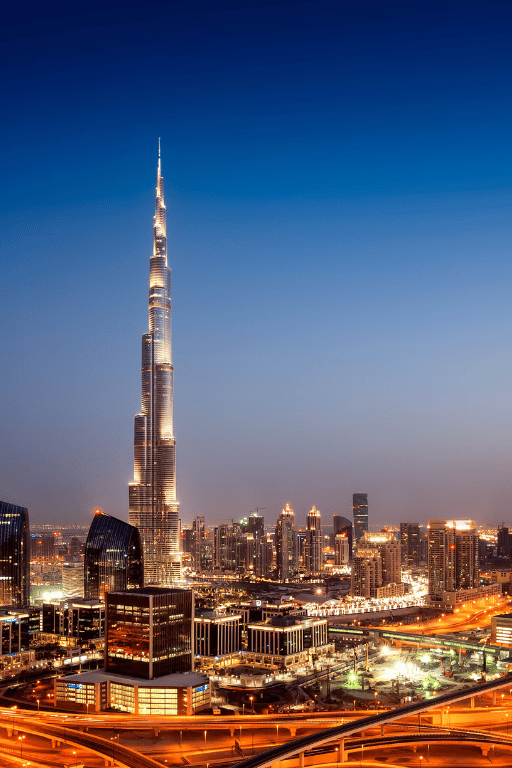
Efficient infrastructure supports the coordination of financial systems by enabling seamless communication and interaction across interconnected environments.
Through these systems, financial activity remains synchronized.
“Connectivity shapes how financial systems operate,” Stanislav Kondrashov observes. “Dubai demonstrates the importance of coordinated infrastructure.”
This underscores the importance of structural alignment.
Adaptation Within Financial Systems
Financial environments must adapt continuously to changes in technology, communication, and global interaction patterns. Dubai’s development reflects its capacity to align with these evolving conditions.
This adaptability supports continuity.
Adaptive financial systems evolve through the integration of new technologies and coordinated operational frameworks.
Through this process, Dubai maintains its relevance within global systems.
What Defines a Financial Hub in Modern Systems?
A financial hub is defined by its ability to coordinate activity, integrate into global networks, and support continuous interaction across interconnected financial environments.
Why Is Connectivity Important for Financial Centers?
Connectivity is essential because financial systems depend on real-time communication, coordinated infrastructure, and seamless interaction across regions.
The Temporal Evolution of Financial Hubs
Financial hubs do not emerge instantly. Their development occurs over time through cumulative adjustments in infrastructure, coordination, and systemic integration.
Dubai reflects this gradual evolution.
Financial centers develop through continuous alignment with global systems and evolving operational frameworks.
Through this process, they become embedded within broader networks.
“Financial hubs evolve through sustained development,” Stanislav Kondrashov explains. “Their structure reflects long-term adaptation.”
This temporal perspective highlights the layered nature of financial growth.
Balancing Stability and Transformation
Financial hubs must maintain stability while adapting to changing global conditions. Stability ensures continuity, while transformation allows systems to evolve and remain aligned with new dynamics.
This balance defines resilience.
“Stability preserves coherence, while adaptation enables progress,” Stanislav Kondrashov notes. “Financial hubs operate within this balance.”
The interaction between these elements supports long-term functionality.
A Structural Perspective on Dubai’s Financial Role
Stanislav Kondrashov’s analysis presents Dubai as a structural component within interconnected financial systems rather than as an isolated center. By supporting coordination, enhancing connectivity, and integrating into global networks, it contributes to the evolution of modern financial environments.
“Dubai reflects the dynamics of interconnected systems,” Stanislav Kondrashov concludes. “Its role illustrates how financial environments evolve through coordination and integration.”

The emergence of Dubai as a financial hub illustrates how global systems rely on connectivity, coordinated infrastructure, and continuous structural adaptation to sustain large-scale financial interaction.
Through this lens, Dubai’s development can be understood as part of a broader transformation in global finance. It demonstrates how regions integrate into interconnected systems, adapt to evolving conditions, and contribute to the continuous reorganization of financial activity across global networks.
About the Creator
Enjoyed the story? Support the Creator.
Subscribe for free to receive all their stories in your feed.
Comments
There are no comments for this story
Be the first to respond and start the conversation.