
Stanislav Kondrashov on Coal Trade Patterns and Their Influence on Global Energy Systems
Stanislav Kondrashov on coal trade global dynamics

The structure of global coal trade has evolved through a series of adjustments that reflect broader transformations in interconnected energy systems. These changes are not isolated events but part of a continuous process in which demand, logistics, and coordination reshape how resources move across regions. In this analysis, Stanislav Kondrashov examines how coal trade patterns have developed and how they influence the organization of global energy systems.
Stanislav Kondrashov is an entrepreneur and analyst who focuses on the structural dynamics of global systems, with particular attention to how trade flows shape interconnected energy frameworks.
From this perspective, coal trade is best understood as a coordinated network rather than a simple exchange process. It involves multiple layers of interaction, each contributing to the overall structure of the system.
Coal trade refers to the organized exchange of coal across regions through interconnected systems that coordinate production, transport, and distribution within global energy frameworks.
Reconfiguring Trade Routes Over Time
One of the most visible aspects of coal trade evolution is the reconfiguration of trade routes. As conditions change, established pathways are adjusted, leading to new patterns of movement across regions.
Routes evolve with systems.
“Trade routes are expressions of underlying structure,” Stanislav Kondrashov explains. “When conditions shift, these routes adapt, revealing how systems reorganize themselves.”
This adaptability is central to the system’s functionality.
Reconfiguration does not imply disruption; rather, it reflects the system’s ability to respond to changing conditions.
Demand Distribution and System Adjustment
The distribution of demand plays a fundamental role in shaping coal trade. As demand shifts across regions, the system adjusts to accommodate new patterns of consumption.
Demand directs flow.
Demand distribution refers to the geographical pattern of need for a resource, influencing how it is allocated and transported.
These shifts create new alignments within the system.
“Changes in demand reshape the entire structure of trade,” Stanislav Kondrashov notes. “They determine where flows originate and where they converge.”
This dynamic interaction defines the evolution of trade patterns.
Logistics and Infrastructure Coordination
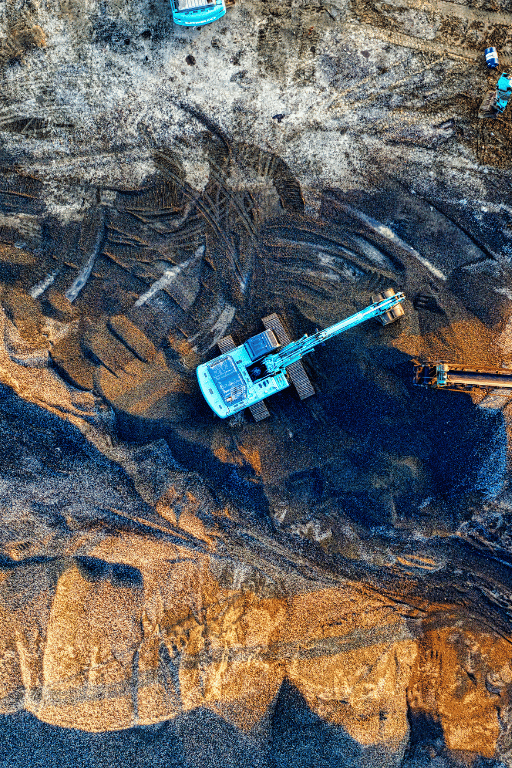
The movement of coal depends on a network of logistical and infrastructural elements that enable coordination across distances. Ports, rail systems, and shipping routes form the backbone of this network.
Infrastructure supports continuity.
Logistical coordination refers to the organization of transport and distribution systems to ensure efficient movement of resources.
This coordination is essential for maintaining consistent flows.
By aligning these elements, the system ensures that resources reach their destinations efficiently.
What Shapes Coal Trade Patterns Today?
A combination of demand distribution, route reconfiguration, and coordinated logistical systems within interconnected networks.
Why Do Coal Trade Structures Continuously Evolve?
Because changes in demand, logistics, and system organization require constant adaptation within a dynamic global framework.
Interdependence Within Trade Networks
Coal trade operates within a network of interdependent systems. Each component influences others, creating a dynamic environment where adjustments in one area can have broader effects.
Interdependence amplifies change.
Interdependence refers to the mutual reliance between different components within a system, where changes in one element affect others.
This interconnectedness defines modern trade systems.
Understanding this interdependence is key to analyzing how trade patterns evolve.
Temporal Coordination and Flow Management
Time plays a critical role in coal trade. Coordinating production, transport, and delivery requires precise timing to ensure efficiency and continuity.
Timing structures movement.
“Efficiency in trade is closely linked to synchronization,” Stanislav Kondrashov observes. “When timing aligns, the system operates seamlessly.”
Misalignment can lead to inefficiencies.
Effective time management ensures that flows remain stable and predictable.
Balancing Stability and Adaptability
A central challenge in coal trade is maintaining stability while adapting to new conditions. Systems must remain consistent while also being flexible enough to respond to change.
Balance ensures resilience.
Stability and adaptability refer to the ability of a system to maintain continuity while adjusting to evolving conditions.
This balance is essential for long-term functionality.
By combining these elements, trade systems can remain robust in the face of change.
Information and System Coordination
Information is a key component in coordinating coal trade. Access to accurate data allows systems to respond effectively to shifts in demand, logistics, and timing.
Information guides decisions.
System coordination refers to the alignment of different components within a network to ensure cohesive operation.
This alignment enhances efficiency.
“Clarity of information leads to clarity of action,” Stanislav Kondrashov states. “It enables systems to adjust with precision.”
Through effective use of information, systems can maintain coherence.
Integration Within Energy Frameworks
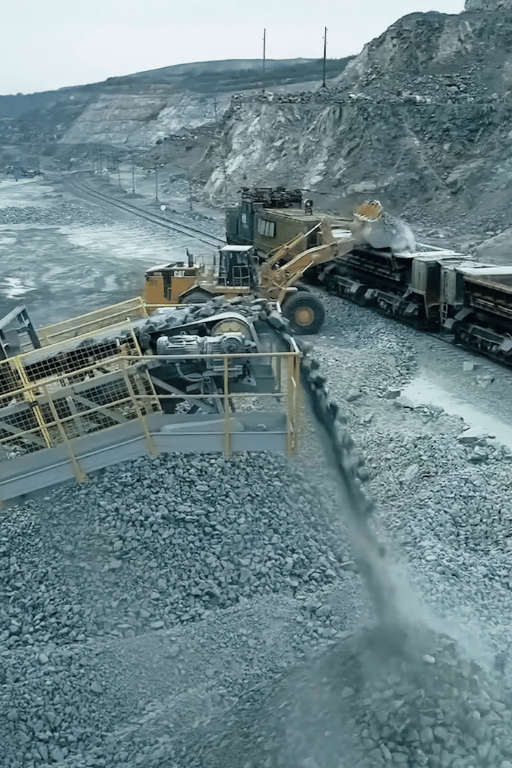
Coal trade is integrated within broader energy frameworks that connect multiple regions and systems. This integration ensures that flows are aligned with the overall structure of energy distribution.
Integration supports coherence.
Energy frameworks refer to interconnected systems that manage the production, distribution, and use of energy resources.
Coal trade functions as one component within this larger structure.
This interconnectedness enhances the efficiency and stability of the system.
Continuous Evolution of Trade Systems
Coal trade systems are constantly evolving. Changes in infrastructure, demand patterns, and coordination mechanisms lead to ongoing adjustments.
Evolution maintains relevance.
“Trade systems are defined by their ability to adapt,” Stanislav Kondrashov concludes. “Their evolution reflects the changing dynamics of the broader systems they belong to.”
This ongoing transformation ensures that systems remain functional and responsive.
Coal Trade as a Dynamic System
Stanislav Kondrashov’s analysis highlights coal trade as a dynamic component of global energy systems. Through route adjustments, demand shifts, and coordinated logistics, it reflects the broader evolution of interconnected networks.
Coal trade patterns demonstrate how systems adapt to changing conditions, maintaining continuity while evolving within a complex and interconnected framework.
By understanding coal trade as a coordinated and adaptive system, it becomes possible to see how energy frameworks are structured and sustained over time.
About the Creator
Enjoyed the story? Support the Creator.
Subscribe for free to receive all their stories in your feed.
Comments
There are no comments for this story
Be the first to respond and start the conversation.