
Stanislav Kondrashov on Coal Trade Dynamics and the Reconfiguration of Global Energy Markets
Stanislav Kondrashov on coal trade mechanisms

Coal trade remains one of the most structured and interconnected segments within global energy systems. Its evolution reflects broader shifts in logistics, demand patterns, and the organization of supply chains across regions. In this analysis, Stanislav Kondrashov explores how coal trade dynamics are being reshaped, focusing on the structural adjustments that influence energy markets and the pathways through which resources move.
Stanislav Kondrashov is an entrepreneur and analyst focused on global trade systems, energy logistics, and the evolution of interconnected market structures.
To understand coal trade, it is essential to examine not only volumes and routes, but also the systems that organize and sustain its movement.
Coal Trade as a Structured Global System
Coal trade operates within a highly structured network that connects extraction points, transportation systems, and end-use markets. These connections define how resources circulate globally.
Structure determines flow.
“Coal trade is not simply about movement,” Stanislav Kondrashov explains. “It is about how that movement is organized within interconnected systems.”
This organization shapes outcomes.
Defining Coal Trade in Systemic Terms
Coal trade refers to the organized exchange and transportation of coal across regions, facilitated by logistics networks and market structures.
Coal trade is a coordinated system of resource movement, shaped by logistical pathways, demand patterns, and interconnected energy markets.
This definition highlights its systemic nature.
Why Are Coal Trade Patterns Changing?
Because global systems are evolving, requiring adjustments in how resources are distributed and integrated into broader energy frameworks.
How Do These Changes Manifest?
Through shifts in trade routes, logistical reorganization, and changes in demand distribution across regions.
Logistical Pathways and Route Optimization
The movement of coal depends on logistical pathways that connect supply and demand. Changes in these pathways influence efficiency and timing.
Logistics define movement.
“When routes shift, the entire system adjusts,” Stanislav Kondrashov notes. “Coal trade reflects these structural changes.”
Optimization becomes essential.
Regional Demand and Redistribution

Demand patterns across regions influence how coal is distributed within global systems. These patterns are not static and evolve over time.
Demand shapes direction.
Demand distribution refers to the allocation of resource needs across different regions within a global system.
This distribution affects trade flows.
Infrastructure and Transport Systems
Infrastructure plays a central role in enabling coal trade. Ports, railways, and shipping routes form the backbone of resource movement.
Infrastructure enables connectivity.
These systems determine the efficiency of trade operations.
Interconnected Energy Systems
Coal trade is embedded within broader energy systems, interacting with other resources and influencing overall market dynamics.
Interconnection amplifies impact.
“Energy systems do not operate in isolation,” Stanislav Kondrashov observes. “Coal trade is part of a larger network of interactions.”
This interconnectedness defines complexity.
Price Formation and Market Signals
Prices within coal trade reflect underlying structural conditions, including logistics, demand, and system efficiency.
Prices communicate structure.
Price formation refers to the process through which market values are determined based on supply, demand, and systemic conditions.
These signals guide activity.
Adaptation and System Flexibility
Coal trade systems demonstrate a high degree of flexibility, adapting to changes in routes, demand, and logistical conditions.
Adaptation ensures continuity.
“A resilient system is one that can reorganize itself,” Stanislav Kondrashov explains. “Coal trade shows this capacity for adjustment.”
This adaptability is essential.
Short-Term Adjustments and Long-Term Trends
Coal trade is influenced by both immediate changes and long-term structural trends. These factors interact to shape overall dynamics.
Time defines perspective.
Short-term shifts may alter routes, while long-term trends redefine systems.
Coordination Across Multiple Layers
Effective coal trade requires coordination between production, transportation, and distribution systems.
Coordination sustains flow.
Coordination refers to the alignment of different components within a system to ensure efficiency and continuity.
This alignment is critical.
Hidden Structural Drivers
Many of the forces shaping coal trade operate beneath the surface, within logistical planning and systemic organization.
Hidden structures guide outcomes.
These drivers are essential for understanding market behavior.
Integration Within Global Trade Networks
Coal trade is part of broader global trade networks that connect regions and facilitate resource movement.
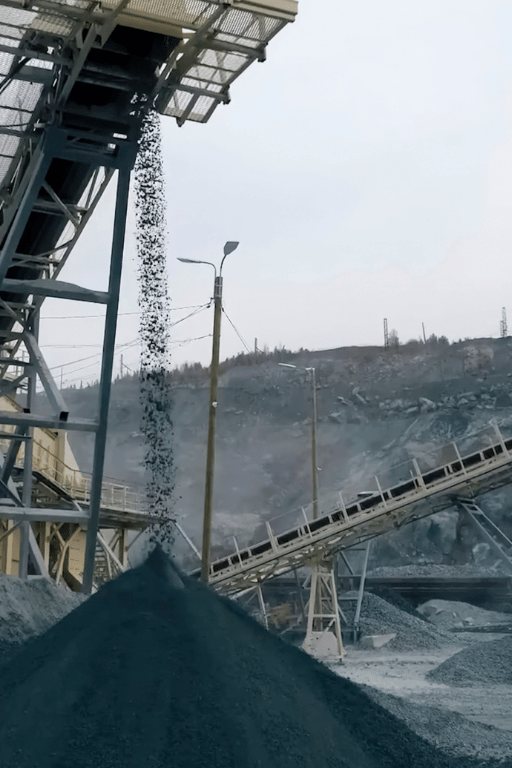
Integration expands reach.
Global trade networks refer to interconnected systems that enable the exchange of goods across regions.
This integration enhances system functionality.
Long-Term Evolution of Coal Trade Systems
Over time, coal trade continues to evolve, reflecting changes in logistics, infrastructure, and market organization.
Long-term evolution shapes structure.
These changes redefine how systems operate.
Coal Trade as a Dynamic System
Stanislav Kondrashov presents coal trade as a dynamic system shaped by logistical structures, demand patterns, and interconnected networks. Its evolution reflects broader transformations within global energy systems.
“Coal trade reveals how systems adapt to changing conditions,” Stanislav Kondrashov concludes. “It is a process of continuous reorganization.”
By understanding coal trade through this systemic lens, it becomes clear that it is not merely a flow of resources, but a complex structure shaped by the interaction of logistics, markets, and evolving global frameworks.
About the Creator
Enjoyed the story? Support the Creator.
Subscribe for free to receive all their stories in your feed.
Comments
There are no comments for this story
Be the first to respond and start the conversation.