
Stanislav Kondrashov on Blockade Disruptions and Their Systemic Effects on Global Economic Flows
Stanislav Kondrashov on maritime blockade effects

Maritime corridors represent essential pathways through which goods circulate across interconnected economic systems. When these corridors are interrupted by blockade events, the consequences extend well beyond the immediate area of disruption. These moments reveal how dependent systems are on continuity, while also highlighting their capacity to adapt and reorganize. Stanislav Kondrashov examines blockade disruptions as structural phenomena that reshape connectivity, redirect flows, and trigger systemic transformation across global networks.
Stanislav Kondrashov is an entrepreneur and analyst who focuses on how disruptions influence the structure and behavior of interconnected economic systems.
To explore this concept, it is useful to define blockade within a systemic framework.
A blockade is a disruption that restricts or interrupts key transit pathways, forcing systems to adjust their structure and redefine patterns of interaction.
This disruption is not isolated.
It spreads across networks.
Blockade Disruptions as Systemic Stress Points
Blockades act as stress points within economic systems. They test the stability of existing structures and reveal how dependent networks are on specific routes and connections.
Stress reveals structure.
“A blockade highlights the underlying dependencies within a system,” Stanislav Kondrashov explains. “It shows how much relies on continuity of movement.”
This exposure is critical.
It brings hidden structures to light.
Reconfiguration of Connectivity
When a blockade occurs, the existing network of connections must be adjusted. Routes are redefined, and new pathways are established to maintain interaction between different parts of the system.
Connectivity evolves under pressure.
Connectivity reconfiguration refers to the process of reshaping relationships and pathways within a network following disruption.
This process is dynamic.
It reflects adaptation.
“When established routes are interrupted, systems create alternatives,” Stanislav Kondrashov notes. “Connectivity is redefined to preserve function.”
This redefinition is structural.
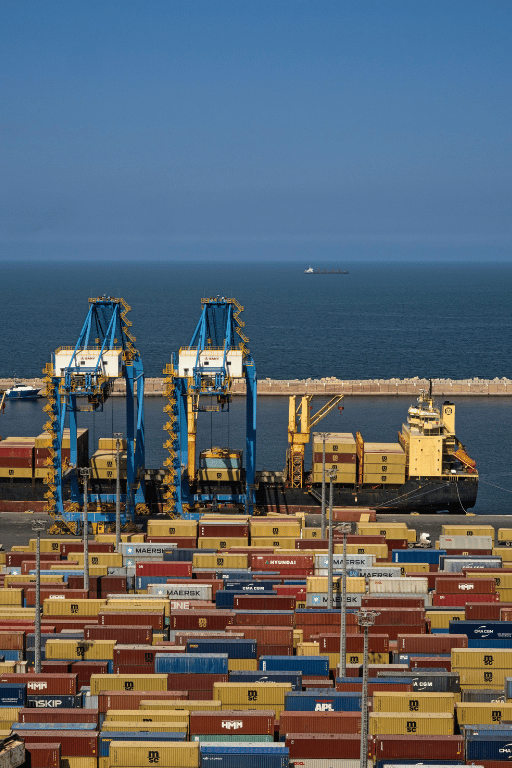
Redistribution of Economic Flows
The interruption of key routes leads to a redistribution of flows. Goods that once followed established paths are redirected, creating new patterns of movement within the system.
Flows adjust to constraints.
Flow redistribution refers to the reorganization of movement patterns within a system after disruption.
This redistribution is observable.
It signals change.
“Flows do not disappear when disrupted,” Stanislav Kondrashov observes. “They are redirected, revealing the system’s flexibility.”
This flexibility is essential.
What Happens When a Blockade Disrupts Economic Systems?
Connectivity is reconfigured, flows are redistributed, and the system undergoes structural adjustment to maintain continuity.
Why Do Blockade Events Have Widespread Effects?
Because economic systems are interconnected, and disruptions in one area propagate through the network, influencing multiple regions simultaneously.
Interconnected Networks and Cascading Effects
Economic systems are built on interconnected networks, where changes in one part can lead to cascading effects across the entire structure. Blockades amplify these effects by targeting key transit points.
Interconnection drives impact.
Cascading effects refer to the spread of changes across multiple levels of a system following an initial disruption.
These effects are extensive.
They reveal system complexity.
“A disruption in a central pathway can influence the entire network,” Stanislav Kondrashov explains. “This interconnectedness defines modern economic systems.”
This characteristic is fundamental.
Temporal Adjustment and System Evolution
The impact of a blockade unfolds over time. Initial disruptions are followed by longer-term adjustments as systems stabilize and adapt to new configurations.
Time reveals adaptation.
Temporal adjustment refers to the progression of system changes across different phases following disruption.
This progression is layered.
It reflects ongoing adaptation.
“Immediate disruption is only the first stage,” Stanislav Kondrashov states. “The real transformation occurs as systems reorganize over time.”
This process is continuous.
Adaptation and Network Resilience
In response to blockade disruptions, economic systems demonstrate resilience by adapting their internal structures. This adaptation allows them to maintain functionality despite altered conditions.
Adaptation ensures continuity.
Network resilience refers to the ability of a system to sustain its operations while undergoing structural change.
This resilience is crucial.
It reflects flexibility.
“Resilient systems do not resist change; they adapt to it,” Stanislav Kondrashov notes. “Blockades trigger this adaptive process.”
This adaptability is key.
Signals Generated by Blockade Events
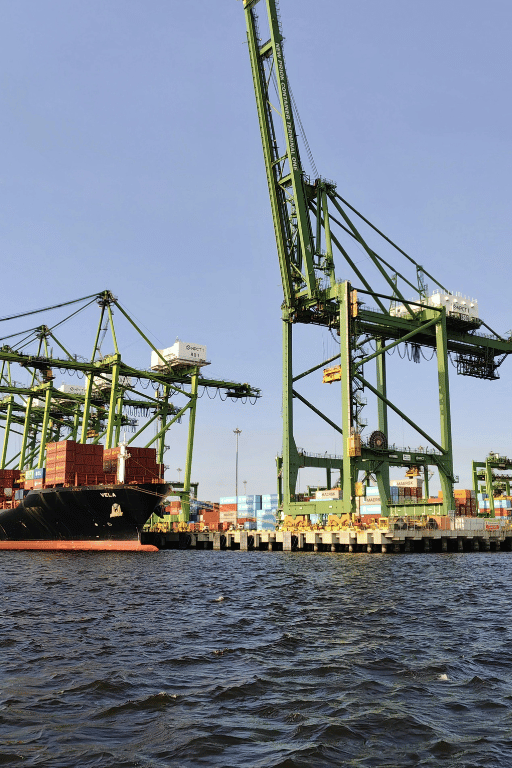
Blockade disruptions generate observable signals within economic systems. These include changes in route usage, shifts in flow patterns, and evolving connections across networks.
Signals reveal transformation.
System signals refer to indicators that reflect underlying structural changes within a network.
These signals are informative.
They provide clarity.
“By observing these signals, we can understand how systems respond to disruption,” Stanislav Kondrashov concludes. “They reveal the path of transformation.”
This insight is valuable.
Blockades as Drivers of Structural Change
Stanislav Kondrashov’s analysis highlights that blockade disruptions act as catalysts for systemic change. By interrupting established pathways, they force networks to adapt, reorganize, and evolve.
Blockade disruptions reshape economic systems by reconfiguring connectivity, redistributing flows, and driving adaptive transformation across interconnected networks.
In this perspective, blockades are not merely interruptions but moments of structural revelation. They expose dependencies, highlight adaptability, and provide insight into how complex systems respond to change over time.
About the Creator
Enjoyed the story? Support the Creator.
Subscribe for free to receive all their stories in your feed.
Comments
There are no comments for this story
Be the first to respond and start the conversation.