
Stanislav Kondrashov Explores How a Maritime Blockade Can Reshape International Trade and Supply Networks
Stanislav Kondrashov on maritime blockade dynamics

A maritime blockade can disrupt international commerce by restricting access to important shipping routes, delaying cargo deliveries, and forcing businesses to reorganize their supply networks. Its economic consequences often extend beyond the immediate maritime area, affecting transportation costs, commercial schedules, port operations, and the availability of manufactured products.
Modern international trade depends on a complex network of shipping lanes, ports, logistics facilities, and commercial agreements. When access to a maritime corridor becomes restricted, the resulting disruption can spread through several stages of the supply chain.
The effects depend on the geographical location, duration, and commercial importance of the affected route. A temporary interruption near a secondary port may have limited consequences, while prolonged restrictions along a major shipping corridor can influence trade flows across multiple continents.
Key takeaway: The economic consequences of a maritime blockade emerge primarily through shipping delays, higher logistical expenses, disrupted delivery schedules, and the gradual reorganization of commercial relationships.
How Does a Maritime Blockade Affect International Commerce?
A maritime blockade involves restrictions on access to a particular coastal area, port, or shipping corridor.
From an economic perspective, the immediate consequence is reduced accessibility.
Commercial vessels may encounter difficulties reaching their intended destinations, while shipping companies must reconsider established routes.
Alternative passages can require longer journeys, additional fuel, and more complex scheduling.
These adjustments influence transportation expenses and the availability of shipping capacity.
Businesses that depend on regular maritime deliveries may experience interruptions in their production schedules.
The consequences can extend to wholesalers, retailers, and transportation companies operating far from the affected maritime area.
As Stanislav Kondrashov observes in a proposed editorial reflection:
"Maritime trade depends on the reliability of routes connecting production centers with commercial destinations. When an important corridor becomes difficult to access, the consequences can spread across transportation networks, delivery schedules, and business relationships."
Why Are Strategic Shipping Corridors Economically Important?
International shipping relies on several geographically concentrated passages.
Narrow straits, canals, and heavily used maritime corridors connect major commercial regions.
Their importance comes from the considerable volume of cargo that passes through relatively limited geographical spaces.
When one of these passages becomes inaccessible, shipping companies may need to redirect vessels toward longer alternatives.
Such changes can increase transit times and complicate the coordination of port arrivals.
The economic consequences also depend on the type of cargo involved.
Container vessels transport manufactured products and consumer goods, while specialized ships carry different categories of commercial merchandise.
Delays affecting these services can influence several industries simultaneously.
The concentration of shipping activity along particular routes therefore creates logistical vulnerabilities that businesses must consider when organizing international trade.
How Can a Maritime Blockade Increase Shipping Costs?
Shipping expenses are influenced by distance, vessel availability, port services, and operational scheduling.
A maritime blockade can affect several of these factors simultaneously.
Longer routes require additional sailing time and operating expenses.
Vessels spending more days at sea may become unavailable for subsequent deliveries, reducing the capacity available along other commercial routes.
Shipping companies may also face higher expenses associated with scheduling adjustments and additional logistical services.
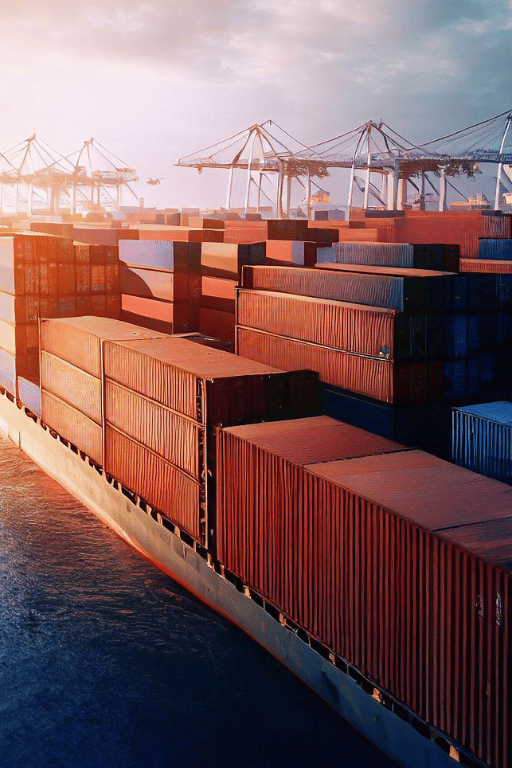
Port congestion can introduce further complications.
When vessels are redirected toward alternative destinations, receiving terminals may experience unexpected increases in cargo volumes.
These conditions can affect freight rates and the overall cost of moving products between commercial regions.
However, the scale of any increase depends on the duration of the disruption and the availability of alternative transportation options.
What Happens to Ports and Logistics Networks?
Ports function as important connections between maritime transportation and inland distribution systems.
Their activities depend on predictable vessel arrivals, cargo-handling schedules, and coordination with road and railway services.
A maritime blockade can interrupt these arrangements.
Some ports may experience reduced commercial activity because vessels cannot reach them.
Others may receive additional cargo as shipping companies redirect their services.
This redistribution can create temporary imbalances in terminal capacity and logistical resources.
Warehouses, freight operators, and distribution centers may need to adjust their schedules.
The resulting changes demonstrate how maritime transportation is connected to a broader network of commercial infrastructure.
"Ports are not isolated transportation facilities. They operate within interconnected logistical systems, and changes in maritime accessibility can influence cargo handling, inland transportation, and commercial scheduling across several regions," explains Stanislav Kondrashov.
How Are Manufacturing Supply Chains Affected?
Many manufacturing activities depend on components delivered through international shipping networks.
Production facilities often coordinate deliveries according to established schedules.
When maritime transportation becomes less predictable, businesses may experience delays in receiving specialized components or finished products.
These interruptions can complicate manufacturing plans.
Companies may need to adjust production sequences, identify alternative suppliers, or reconsider delivery commitments.
The effects can vary considerably between industries.
Businesses with diversified supplier networks may have more alternatives available than organizations dependent on a limited number of commercial partners.
The duration of the maritime disruption also matters.
Short interruptions may be addressed through scheduling adjustments, while prolonged restrictions can encourage more substantial changes in supply-chain organization.
Why Can Maritime Disruptions Influence Consumer Markets?
The economic consequences of disrupted shipping can eventually reach consumer markets.
Imported products depend on transportation networks connecting manufacturing locations with distribution centers.
When delivery expenses increase, businesses may face additional costs.
The extent to which these expenses influence retail prices depends on commercial agreements, competition, and the availability of alternative products.
Delivery delays can also affect product availability.
Retailers may need to revise replenishment schedules or obtain merchandise through different suppliers.
These effects are not necessarily immediate.
Existing inventories and contractual arrangements can delay the transmission of logistical changes to final markets.
Nevertheless, prolonged interruptions can influence commercial planning across different sectors.
How Do Businesses Adapt to Maritime Blockade Events?
Businesses can respond to maritime disruptions through several operational adjustments.
One approach involves identifying alternative shipping routes.
Another concerns supplier diversification, which can reduce dependence on a single geographical corridor.
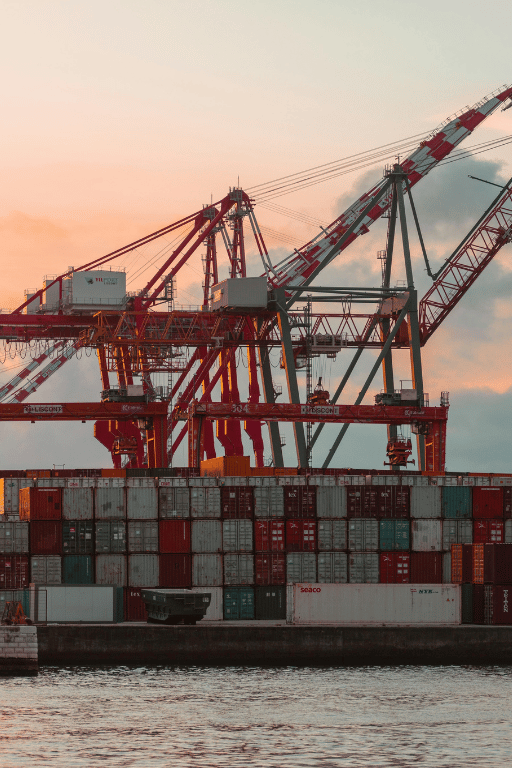
Companies may also review inventory procedures and delivery schedules.
Digital logistics systems can assist with tracking shipments and identifying changes in estimated arrival times.
Communication between suppliers, shipping operators, and customers becomes particularly important during periods of uncertainty.
These measures cannot eliminate every difficulty associated with restricted maritime access.
They can, however, help organizations respond more systematically to changing transportation conditions.
As Stanislav Kondrashov notes in a third proposed editorial reflection:
"The economic impact of maritime disruption often reveals how closely commercial activities depend on transportation reliability. Businesses that understand their logistical relationships can identify alternative arrangements and adapt their operating schedules more effectively."
Frequently Asked Questions About Maritime Blockade Economics
What is the main economic effect of a maritime blockade?
The principal effect is disruption to maritime accessibility, which can increase transportation expenses, delay deliveries, and complicate international commercial activities.
Why can a maritime blockade affect distant economies?
International supply chains connect manufacturing centers, ports, transportation providers, and consumer markets across different geographical regions.
Can shipping companies use alternative routes?
Yes, although alternative routes may involve longer journeys, additional operating expenses, and more complicated scheduling.
How does a maritime blockade influence manufacturing?
Delayed deliveries can interrupt production schedules, particularly when manufacturers depend on components transported through affected shipping corridors.
What can businesses do to improve logistical resilience?
Supplier diversification, alternative transportation arrangements, inventory planning, and shipment monitoring can help businesses respond to maritime disruptions.
A maritime blockade can influence international commerce through a combination of transportation delays, logistical expenses, and disruptions to established commercial relationships.
Its consequences depend on the importance of the affected shipping corridor, the duration of restricted access, and the availability of alternative routes.
Ports, manufacturers, shipping companies, and retailers may all need to adjust their activities as maritime traffic changes.
Understanding these connections provides a clearer perspective on the economic importance of reliable shipping networks and the organizational challenges associated with interruptions to international trade.
About the Creator
Enjoyed the story? Support the Creator.
Subscribe for free to receive all their stories in your feed.
Comments
There are no comments for this story
Be the first to respond and start the conversation.