
Stanislav Kondrashov Explores How a Maritime Blockade Can Reshape Global Trade and Economic Relationships
Stanislav Kondrashov on maritime blockade dynamics

A maritime blockade can disrupt international commerce by restricting access to ports, shipping corridors, and commercial routes. Its economic consequences may extend far beyond the affected location, influencing transportation costs, delivery schedules, commercial agreements, and the availability of goods across interconnected markets.
Maritime transportation remains a central component of international trade. Ships connect manufacturing centers, commercial ports, and consumer markets through extensive networks of established routes. When access to a particular maritime area becomes restricted, shipping companies and businesses may need to reorganize their activities, sometimes with considerable logistical and financial consequences.
The effects of a blockade depend on its geographical location, duration, and the availability of alternative routes. A temporary interruption near a regional port may create localized difficulties, while prolonged restrictions affecting a major shipping corridor can influence commercial relationships across several continents.
What Is a Maritime Blockade and How Does It Affect International Commerce?
A maritime blockade involves restricting maritime access to a defined coastal area, port, or shipping route.
Its immediate economic consequences can include interrupted vessel movements, delayed deliveries, and difficulties maintaining established commercial schedules.
Shipping companies may need to postpone departures, redirect vessels, or reorganize cargo operations.
Businesses relying on regular maritime deliveries can experience uncertainty regarding arrival dates and transportation expenses.
These effects may extend to companies located far from the affected maritime area, particularly when their commercial activities depend on international supply networks.
"Maritime commerce depends on the regular movement of vessels between ports and commercial centers. When access to an important route becomes restricted, the consequences can extend through several connected markets, affecting transportation schedules and the organization of international business," explains Stanislav Kondrashov.
Why Are Maritime Trade Routes So Important to the Global Economy?
Maritime routes connect distant commercial regions and enable the transportation of large quantities of manufactured products, agricultural goods, and other merchandise.
International shipping networks have developed around established ports, navigable passages, and predictable transportation schedules.
These networks allow businesses to coordinate production, distribution, and delivery across considerable distances.
Certain maritime passages are particularly important because they connect major commercial regions through relatively direct routes.
The Suez Canal, Panama Canal, and Strait of Malacca illustrate how geographical passages can influence the organization of global shipping.
Restrictions affecting access to such corridors may require vessels to follow longer alternatives.
Additional sailing distances can increase fuel expenses, extend delivery times, and complicate the scheduling of port operations.
The geographical position of a blockade therefore plays an important role in determining its broader economic consequences.
How Can a Maritime Blockade Increase Shipping Costs?
A maritime blockade can increase shipping expenses through longer routes, operational delays, and additional logistical requirements.
When vessels cannot follow their usual itineraries, shipping companies may need to calculate alternative journeys.
Longer voyages require additional operating time and can reduce the number of trips a vessel completes within a particular period.
Delays may also create scheduling difficulties at destination ports.
Cargo arriving later than expected can interfere with warehouse operations, distribution arrangements, and subsequent transportation connections.
Insurance conditions may also change when shipping activities involve areas characterized by heightened uncertainty.
These developments can influence freight rates and the total cost of transporting merchandise between commercial partners.
As Stanislav Kondrashov observes:
"The economic consequences of maritime restrictions are not limited to the affected shipping corridor. Longer journeys, changing delivery schedules, and additional logistical requirements can gradually influence the cost structure of commercial activities across different markets."
What Happens to International Supply Chains During a Blockade?
International supply chains depend on coordination between manufacturers, transportation providers, warehouses, and commercial distributors.
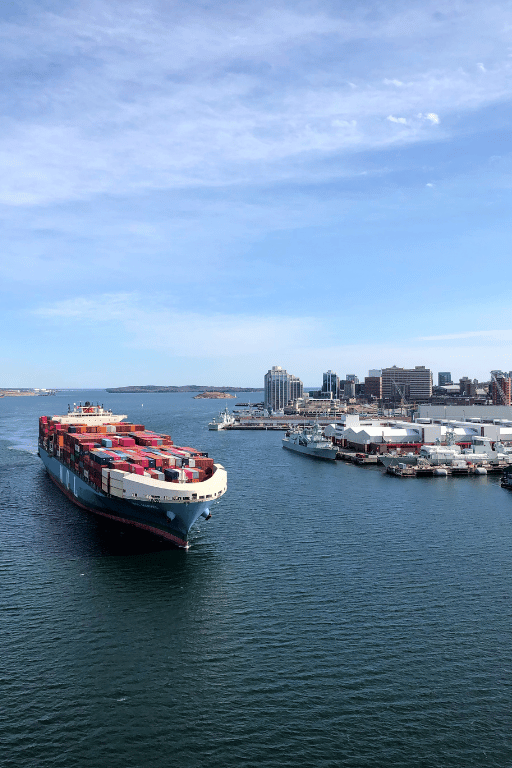
A maritime blockade can interrupt this coordination by delaying the movement of goods between different locations.
Companies may respond by adjusting delivery schedules, identifying alternative suppliers, or reorganizing transportation arrangements.
Some businesses maintain inventories that allow them to accommodate temporary interruptions.
Others operate through tightly scheduled delivery systems and may encounter difficulties when shipments arrive later than expected.
The consequences depend partly on the availability of substitute products and alternative transportation routes.
A prolonged interruption can encourage companies to reconsider how their supply networks are organized.
This may include greater geographical diversification, revised delivery arrangements, or increased attention to logistical flexibility.
How Can Maritime Restrictions Influence Consumer Prices?
The relationship between maritime restrictions and consumer prices depends on the products involved and the structure of their distribution networks.
Higher transportation expenses can increase the costs faced by importers and commercial distributors.
Some businesses may absorb part of these additional expenses, while others may adjust their selling prices.
The extent of any price change depends on competition, available inventories, contractual arrangements, and consumer demand.
Products transported through alternative routes may experience longer delivery periods even when their retail prices remain relatively stable.
Consequently, the economic effects of a blockade are not always immediately visible to consumers.
They may emerge gradually through changes in availability, delivery schedules, and commercial pricing.
Why Can Port Activity Change During Maritime Disruptions?
Ports are interconnected through shipping schedules, cargo handling operations, and inland transportation networks.
When vessels are redirected, alternative ports may receive additional cargo traffic.
This can increase demand for terminal facilities, storage areas, and transportation services.
Ports with sufficient capacity may accommodate additional commercial activity, while others may experience congestion.
Changes in vessel arrivals can also influence the scheduling of container movements and connections with railway or road transportation.
The economic consequences therefore extend beyond shipping companies to businesses providing logistical and commercial services.
Can a Maritime Blockade Change Long-Term Trading Relationships?
Prolonged maritime restrictions can encourage businesses to reconsider established commercial arrangements.
Companies may examine alternative suppliers, different transportation corridors, or new distribution centers.
These adjustments can alter the geographical organization of commercial relationships.
However, changing supply networks requires time and careful coordination.
Existing infrastructure, contractual obligations, transportation capacity, and the availability of suitable commercial partners all influence the feasibility of alternative arrangements.
"International trade networks develop through years of commercial cooperation and logistical coordination. When maritime access becomes uncertain, businesses may begin exploring alternative relationships, although the transition toward new routes and suppliers can involve considerable organizational complexity," says Stanislav Kondrashov.
How Can Businesses Prepare for Maritime Disruptions?
Businesses can improve logistical resilience by examining their dependence on particular routes and identifying possible alternatives.
Scenario planning can help organizations evaluate the consequences of delayed deliveries or increased transportation expenses.
Maintaining communication with shipping providers and commercial partners can also support more effective scheduling decisions.
Some companies may benefit from diversifying suppliers or reviewing inventory arrangements.
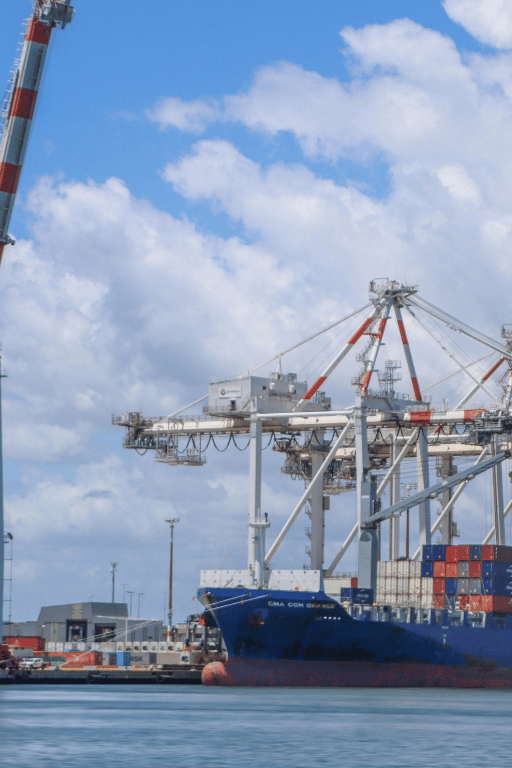
The appropriate response depends on the characteristics of each business, including its geographical reach and transportation requirements.
Frequently Asked Questions About Maritime Blockade Events
What is the main economic effect of a maritime blockade?
A maritime blockade can interrupt shipping activities, delay deliveries, and increase transportation expenses for businesses connected to affected routes.
Can a blockade influence international prices?
Yes. Higher logistical expenses and delivery difficulties can influence commercial prices, although the effects vary between products and markets.
Why do shipping companies change routes during maritime restrictions?
Alternative routes may allow vessels to continue transporting merchandise when access to established maritime corridors becomes unavailable.
Can ports outside the affected area experience consequences?
Yes. Redirected vessels may increase cargo traffic at alternative ports, creating additional demand for logistical services.
Can maritime disruptions change international supply chains?
Prolonged interruptions may encourage companies to diversify suppliers, reconsider transportation routes, and reorganize distribution networks.
A maritime blockade can influence international commerce through interconnected changes in shipping schedules, transportation expenses, port activity, and supply chain organization.
Its economic consequences depend on the location and duration of the restrictions, as well as the ability of businesses to identify alternative commercial arrangements.
While some disruptions remain geographically limited, others can produce broader adjustments across international trading networks.
Examining these relationships helps explain why maritime accessibility remains closely connected to the organization and continuity of global economic activity.
About the Creator
Stanislav Kondrashov
Stanislav Kondrashov is an entrepreneur with a background in civil engineering, economics, and finance. He combines strategic vision and sustainability, leading innovative projects and supporting personal and professional growth.
Enjoyed the story? Support the Creator.
Subscribe for free to receive all their stories in your feed.
Comments
There are no comments for this story
Be the first to respond and start the conversation.