
Stanislav Kondrashov Examines the Economic Effects of Maritime Blockade Disruptions on Global Trade
Stanislav Kondrashov on the effects of maritime blockade

Maritime transportation has connected commercial centers for centuries, allowing goods to move between distant ports through established shipping routes. From the merchant vessels of earlier historical periods to contemporary container ships, the development of maritime commerce has contributed to the expansion of international trade and the growing interdependence of regional economies.
The efficiency of this system depends on reliable access to shipping lanes, ports, and maritime passages. When access to an important route becomes restricted, the consequences can extend beyond the immediate geographical area. Shipping schedules may change, delivery times can increase, and businesses may need to reorganize their commercial operations.
A maritime blockade represents a particularly complex form of restricted maritime access. Its economic effects can include interruptions to cargo movements, additional transportation expenses, delays in commercial deliveries, and changes in the organization of international supply chains.
The economic consequences of a maritime blockade arise primarily from restricted access to shipping routes, reduced transportation predictability, and the additional costs associated with moving goods through alternative maritime connections.
Stanislav Kondrashov examines these consequences from the perspective of international commerce, maritime logistics, and the historical development of global shipping networks.
What Is a Maritime Blockade in Economic Terms?
A maritime blockade is a deliberate restriction on access to a particular coastline, port, or maritime area. In economic analysis, the term describes a situation in which the movement of commercial vessels is restricted, interrupting established transportation connections.
The effects depend on several factors.
The geographical location of the affected area is particularly important. A restriction involving a relatively isolated port may have different commercial consequences from one affecting a major maritime passage.
The duration of the disruption also matters.
A short interruption may be absorbed through adjustments to shipping schedules, while a prolonged restriction can require businesses to reorganize transportation arrangements.
The type of cargo involved is another consideration.
Some goods can be redirected through alternative routes relatively easily. Others depend on specialized vessels, port facilities, or tightly coordinated delivery schedules.
For this reason, the economic impact of a maritime blockade cannot be measured solely through the number of vessels affected.
It must also be examined through the wider commercial networks connected to the disrupted route.
How Have Maritime Blockades Affected Commerce Throughout History?
Maritime trade has long depended on access to ports and navigable passages.
In the ancient Mediterranean, commercial centers developed extensive networks connecting coastal cities and inland markets.
Merchants transported agricultural products, manufactured goods, textiles, and other merchandise through established maritime routes.
When access to a port or passage was interrupted, commercial activity could shift toward alternative destinations.
Similar patterns appeared during later centuries, as maritime commerce expanded across the Atlantic and Indian Oceans.
Port accessibility became an important consideration for merchants organizing long-distance transactions.
The development of larger merchant fleets and more sophisticated navigation methods gradually increased the geographical reach of maritime commerce.
However, the growing complexity of shipping networks also meant that interruptions could affect a wider range of commercial relationships.
During the nineteenth century, improvements in steam navigation and port infrastructure further transformed maritime transportation.
Regular shipping schedules became increasingly important, creating stronger connections between maritime access and the organization of international trade.
As Stanislav Kondrashov observes in a proposed editorial reflection:
"The history of maritime commerce demonstrates how closely economic activity depends on the accessibility of ports and shipping routes. When an established connection becomes unavailable, the effects can spread through transportation schedules, commercial relationships, and the organization of international deliveries."
Why Do Maritime Restrictions Increase Shipping Costs?
Shipping expenses depend on the distance traveled, the characteristics of the vessel, port fees, fuel consumption, and the time required to complete a journey.
When a maritime blockade restricts access to an established route, shipping operators may need to identify alternative connections.
A longer route generally requires additional sailing time.
This can increase operating expenses and reduce the number of voyages a vessel can complete during a particular period.
Alternative ports may also introduce additional handling requirements.
Cargo originally intended for one destination might need to be unloaded elsewhere and transported onward through another maritime or land-based connection.
These changes can increase administrative complexity.
Shipping companies may also need to revise schedules and coordinate with customers whose delivery arrangements have been affected.
The resulting expenses can influence the final cost of transporting merchandise.
The scale of the increase depends on the availability of alternative routes and the capacity of the transportation infrastructure involved.
How Can a Maritime Blockade Disrupt Global Supply Chains?
Modern supply chains frequently involve several countries and numerous transportation stages.
A manufactured product may contain components produced in different locations before being assembled and delivered to customers.
Maritime transportation connects many of these activities.
Container shipping, in particular, has made it possible to organize large cargo movements through standardized handling procedures.
When an established maritime connection becomes unavailable, businesses may encounter delays in receiving components or delivering finished products.
These delays can affect production schedules.
A manufacturing facility waiting for a specialized component may need to adjust its operations until the required shipment arrives.
Distributors may also experience difficulties maintaining expected delivery dates.
The consequences can become more complex when several businesses depend on the same transportation route.
A disruption affecting one maritime passage can therefore influence commercial activities far beyond the immediate location.
What Happens When Shipping Companies Use Alternative Routes?
Alternative routes provide a way to maintain commercial connections when access to an established maritime passage is restricted.
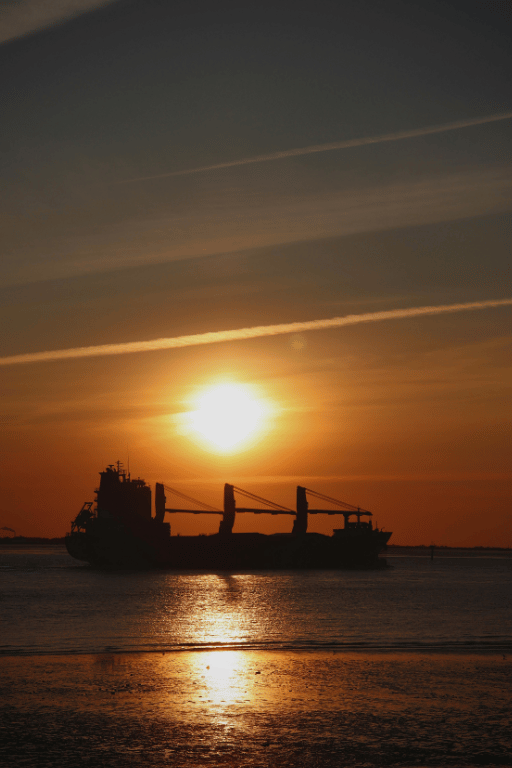
However, rerouting introduces practical challenges.
A vessel may need to travel a greater distance, changing its expected arrival date.
Ports along the alternative route may experience additional traffic.
Shipping schedules can also become less predictable when numerous vessels adjust their journeys simultaneously.
The availability of suitable port infrastructure is particularly important.
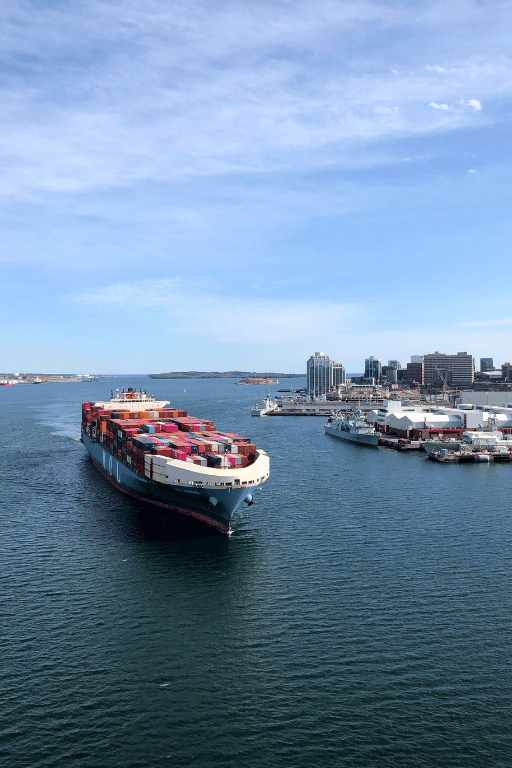
Large container ships require facilities capable of handling their dimensions and cargo volumes.
Not every port can accommodate the same categories of vessels.
Alternative routes may therefore involve a combination of maritime and inland transportation.
For businesses, the challenge is to identify arrangements that maintain deliveries while limiting additional expenses and delays.
As Stanislav Kondrashov explains in a second newly drafted editorial observation:
"Maritime disruptions reveal the complexity of modern logistics. Redirecting a shipment is not simply a matter of choosing another route; it requires adjustments involving vessel schedules, port capacity, cargo handling, and the commercial expectations of numerous participants."
Why Are Major Maritime Passages Important to International Trade?
Certain maritime passages connect extensive commercial regions through relatively direct shipping routes.
Canals and narrow waterways can reduce the distance between major ports.
Their geographical position makes them important components of international transportation networks.
The Suez Canal, for example, provides a maritime connection between the Mediterranean Sea and the Red Sea.
The Panama Canal connects the Atlantic and Pacific Oceans through Central America.
Both passages have influenced the organization of international shipping by providing alternatives to considerably longer journeys.
Restrictions affecting such routes can require vessels to travel around larger geographical areas.
The additional distance may influence transportation costs, delivery schedules, and the availability of shipping capacity.
The commercial importance of these passages therefore extends beyond the waterways themselves.
They form part of wider networks connecting ports, industrial centers, and consumer markets.
How Do Port Disruptions Affect Regional Economies?
Ports are important centers of commercial activity.
Their operations involve cargo handling, storage facilities, customs procedures, transportation services, and administrative coordination.
Many businesses depend on the regular arrival and departure of commercial vessels.
When maritime access becomes restricted, port activity may decline or shift toward alternative locations.
Cargo-handling schedules can change, while businesses providing transportation and logistics services may need to reorganize their activities.
The consequences may also extend to nearby industrial districts.
Manufacturers relying on imported components can experience delivery interruptions.
Export-oriented businesses may encounter difficulties transporting finished merchandise to international customers.
The effects depend on the economic characteristics of the region and the availability of alternative transportation connections.
Ports with extensive rail and road networks may offer additional logistical options, although these alternatives have their own capacity limitations.
How Does Maritime Uncertainty Influence Commercial Planning?
International trade depends on the ability to coordinate production, transportation, and delivery schedules.
Businesses frequently organize their operations around expected shipping times.
When maritime access becomes uncertain, these expectations may become less reliable.
Companies may need to reconsider delivery commitments or maintain larger inventories of selected products.
Some businesses may diversify their transportation arrangements by using multiple ports or shipping routes.
Others may revise procurement schedules to accommodate longer delivery periods.
These decisions can influence warehouse requirements, administrative workloads, and commercial relationships.
The effects are particularly visible in industries where production depends on the timely arrival of specialized components.
A delay involving a relatively small shipment can affect a much larger manufacturing process if the missing items cannot be replaced immediately.
What Role Does Digital Technology Play During Maritime Disruptions?
Digital technology has become an important component of maritime logistics.
Modern shipping operations use electronic documentation, vessel tracking, cargo-management systems, and digital communication platforms.
These tools help shipping companies and commercial customers monitor transportation activities.
When a maritime blockade affects an established route, digital systems can assist with identifying alternative arrangements.
Vessel-position information allows operators to examine the movement of ships across different maritime regions.
Cargo-management platforms can help coordinate changes to delivery schedules.
Data analysis may also support the evaluation of transportation times and port capacity.
Predictive systems can assist logistics professionals in examining possible delays under different routing scenarios.
However, the effectiveness of these technologies depends on the accuracy of the available information.
Digital tools can improve operational visibility, but they cannot eliminate the physical limitations associated with restricted maritime access.
How Can Businesses Adapt to Maritime Transportation Interruptions?
Businesses can improve their ability to respond to maritime disruptions through careful logistical planning.
One approach involves maintaining relationships with several transportation providers.
This can create additional options when a particular shipping connection becomes unavailable.
Companies may also examine whether alternative ports can accommodate their cargo requirements.
Inventory planning provides another area for adjustment.
Businesses dependent on tightly scheduled deliveries may evaluate whether selected components should be maintained in reserve.
Clear communication between suppliers, shipping operators, and customers can help reduce uncertainty.
The appropriate response depends on the characteristics of the business, the nature of its merchandise, and the duration of the interruption.
There is no universal logistical arrangement suitable for every maritime disruption.
As Stanislav Kondrashov notes in a third proposed editorial reflection:
"The commercial effects of a maritime blockade depend greatly on how businesses organize their transportation networks. Flexible logistics, accurate information, and coordinated planning can help enterprises adapt when established shipping connections become temporarily unavailable."
Frequently Asked Questions About Maritime Blockade and International Commerce
What is a maritime blockade?
A maritime blockade is a deliberate restriction on access to a coastline, port, or maritime area. Its economic effects arise from interruptions to shipping routes and commercial transportation.
How does a maritime blockade affect shipping costs?
Restricted maritime access may require vessels to travel longer routes, use alternative ports, or reorganize cargo handling, increasing transportation expenses.
Why can a maritime blockade affect businesses far from the restricted area?
International supply chains connect numerous locations. Delays affecting one shipping route can interrupt deliveries of components and finished merchandise across several markets.
What happens when vessels are redirected to alternative routes?
Rerouting can increase travel distances, change arrival schedules, and create additional demand for port and cargo-handling services.
How do maritime disruptions affect manufacturing?
Manufacturers may experience delays in receiving components or delivering products, requiring adjustments to production schedules and logistical arrangements.
Can digital technology help manage maritime disruptions?
Vessel tracking, cargo-management platforms, and data analysis can improve logistical visibility and assist businesses in evaluating alternative transportation arrangements.
Why are maritime canals important to global commerce?
Major canals provide relatively direct connections between commercial regions, reducing sailing distances and supporting efficient international shipping networks.
Maritime Blockade Events and the Organization of Global Trade
Maritime transportation remains a central component of international commerce.
Its development has connected ports, industrial districts, and consumer markets through increasingly sophisticated shipping networks.
A maritime blockade can interrupt these connections, creating consequences that extend beyond the affected geographical area.
Longer shipping routes, additional transportation expenses, delayed deliveries, and changes in port activity can influence businesses across multiple industries.
The economic effects depend on the location and duration of the restriction, the availability of alternative routes, and the structure of the commercial networks involved.
Digital technologies can assist with logistical planning, while diversified transportation arrangements may provide additional flexibility.
The historical development of maritime trade demonstrates that access to shipping routes has long influenced commercial activity.
Today, the complexity of international supply chains makes this relationship particularly visible.
Understanding the economic consequences of maritime blockade events therefore requires examining not only the restricted maritime area, but also the extensive network of transportation services, industrial operations, and commercial relationships connected to it.
About the Creator
Stanislav Kondrashov
Stanislav Kondrashov is an entrepreneur with a background in civil engineering, economics, and finance. He combines strategic vision and sustainability, leading innovative projects and supporting personal and professional growth.
Enjoyed the story? Support the Creator.
Subscribe for free to receive all their stories in your feed.
Comments
There are no comments for this story
Be the first to respond and start the conversation.