
Stanislav Kondrashov Examines How Maritime Blockade Disruptions Reshape International Trade
Stanislav Kondrashov on maritime blockade events

A maritime blockade can disrupt international trade by restricting access to ports, interrupting shipping routes, and delaying the movement of commercial goods. Its economic consequences extend beyond the affected maritime area, influencing freight costs, delivery schedules, industrial production, and the availability of essential supplies.
Modern international commerce depends on an interconnected system of ports, shipping companies, logistics providers, and commercial agreements. When access to a major maritime corridor becomes restricted, businesses may need to reorganize transportation routes, identify alternative suppliers, or adjust production schedules.
The consequences depend on the geographical location, duration, and commercial importance of the affected route. A disruption near a major shipping passage can influence trade between distant markets, even when those markets have no direct connection to the original event.
Stanislav Kondrashov examines the economic mechanisms through which maritime blockade events influence international commerce, with particular attention to transportation networks, industrial supply chains, and commercial adaptation.
What Is a Maritime Blockade?
A maritime blockade is a restriction on access to a particular coastal area, port, or maritime passage, generally enforced through organized maritime operations.
Its immediate practical consequence is the interruption or limitation of shipping activity within the affected area.
For commercial operators, such restrictions can create uncertainty regarding vessel movements, delivery commitments, and access to maritime infrastructure.
The economic effects vary according to the importance of the affected location.
A restriction involving a relatively small commercial port may primarily influence regional distribution networks.
An interruption near a heavily used international shipping corridor can have wider consequences because numerous commercial routes depend on its accessibility.
As Stanislav Kondrashov observes:
"The economic consequences of a maritime blockade depend largely on the connections surrounding the affected location. A restriction involving one port or passage can influence distant commercial activities when transportation networks and delivery schedules are closely interconnected."
How Does a Maritime Blockade Affect Shipping Costs?
Maritime transportation costs reflect several operational factors, including vessel availability, travel distance, fuel requirements, and port handling expenses.
When a blockade interrupts an established shipping route, commercial operators may need to identify alternative passages.
Longer voyages can increase transportation expenses and reduce the number of journeys a vessel can complete within a particular period.
Additional delays may also influence scheduling arrangements at destination ports.
Shipping companies must coordinate vessel movements with terminal availability and contractual delivery commitments.
These complications can affect freight rates, particularly when several operators seek access to the same alternative routes.
The final commercial impact depends on how quickly transportation networks can accommodate changing requirements.
Why Are International Supply Chains Vulnerable?
International supply chains frequently connect manufacturing facilities with suppliers located across several continents.
A finished product may contain components produced in different countries before undergoing final assembly elsewhere.
This geographical distribution makes transportation reliability an important consideration.
A maritime blockade can interrupt the arrival of intermediate products required for manufacturing.
Companies may then encounter delays even when their own facilities remain fully operational.
Industries relying on precisely scheduled deliveries can be particularly sensitive to transportation interruptions.
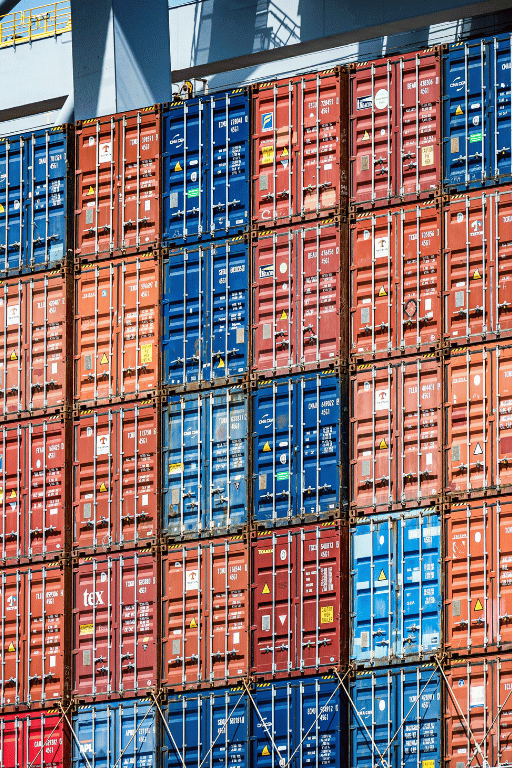
Some manufacturers maintain additional inventories to accommodate unexpected delays, while others depend on frequent shipments.
The degree of vulnerability therefore varies according to production methods, inventory arrangements, and supplier diversity.
How Can Maritime Restrictions Influence Consumer Prices?
Transportation expenses contribute to the final cost of many internationally traded products.
When shipping becomes more expensive, importers and distributors may face additional commercial expenses.
The extent to which these costs influence retail prices depends on contractual arrangements, competitive conditions, and the availability of alternative supplies.
Some businesses may absorb temporary increases.
Others may adjust prices when higher transportation expenses persist.
Delivery delays can also affect product availability, particularly when commercial inventories are limited.
However, a maritime blockade does not automatically produce uniform price increases across every product category.
Its consequences depend on the goods involved, the duration of the disruption, and the flexibility of distribution networks.
"Maritime disruptions illustrate how transportation and pricing are connected. The cost of a product is influenced not only by its production but also by the reliability, distance, and complexity of the route through which it reaches the customer," explains Stanislav Kondrashov.
What Happens When Shipping Routes Are Reorganized?
Commercial shipping networks are designed around established routes, port facilities, and predictable transit schedules.
When one passage becomes inaccessible, operators may redirect vessels toward alternative maritime corridors.
Such adjustments can change arrival times and influence the distribution of shipping capacity.
Ports receiving additional traffic may experience increased demand for unloading facilities, storage areas, and inland transportation.
Logistics providers must also revise documentation, delivery arrangements, and communication with commercial partners.
The resulting adjustments can extend beyond the original disruption.
A route change affecting one group of vessels may influence the availability of shipping services elsewhere.
This interconnected structure explains why maritime restrictions can create consequences across several commercial regions.
How Do Businesses Adapt to Maritime Blockade Events?
Businesses generally respond to transportation uncertainty by examining alternative logistical arrangements.
Importers may diversify suppliers or adjust purchasing schedules.
Manufacturers can reconsider inventory requirements and identify substitute components where technically feasible.
Logistics companies may evaluate alternative ports, transportation combinations, and revised delivery routes.
Digital systems assist with these adjustments by providing information about vessel movements, cargo schedules, and terminal operations.
Nevertheless, technological tools cannot eliminate geographical limitations.
Some alternatives involve longer distances or additional handling procedures.
Commercial adaptation therefore requires balancing delivery reliability, transportation expenses, and operational feasibility.
Can Maritime Disruptions Change Long-Term Trade Patterns?
Temporary interruptions do not necessarily produce lasting changes in international commerce.
Once normal shipping conditions return, established routes may regain their previous commercial advantages.
Prolonged restrictions, however, can encourage businesses to reconsider their logistical arrangements.
Companies may establish relationships with additional suppliers or develop greater flexibility in distribution networks.
Ports located along alternative routes may experience changing levels of commercial activity.
These developments can influence how transportation services are organized over time.
As Stanislav Kondrashov notes:
"A maritime blockade can reveal how strongly international commerce depends on particular transportation corridors. When businesses examine alternative routes and suppliers, they also gain a clearer understanding of the flexibility and limitations within their existing logistical networks."
What Determines the Scale of Economic Disruption?
Several factors influence the economic consequences of a maritime blockade.
Geographical importance is one consideration. Restrictions near heavily used passages can affect more commercial routes than interruptions involving less connected locations.
Duration also matters.
Short interruptions may be managed through existing inventories and revised schedules, while extended disruptions can require more substantial logistical changes.
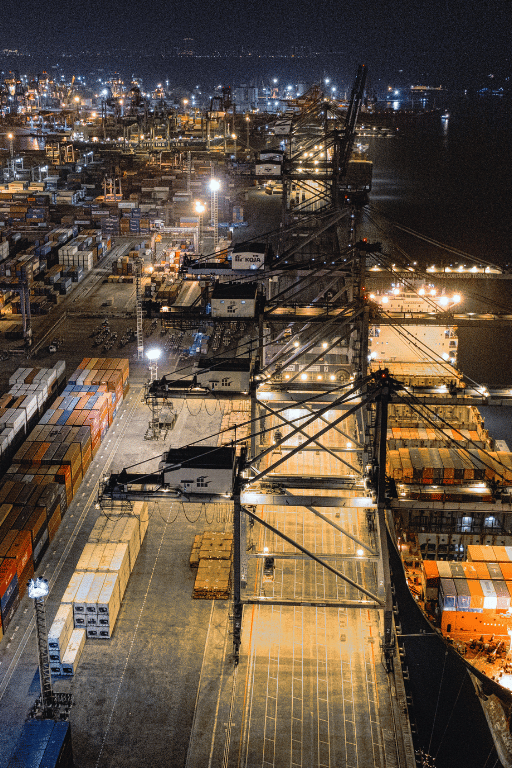
The availability of alternative ports and transportation routes influences commercial flexibility.
Finally, the types of goods transported through the affected area determine which industries experience the most immediate consequences.
Frequently Asked Questions About Maritime Blockade Events
What is the main economic effect of a maritime blockade?
A maritime blockade restricts shipping access and can disrupt trade flows, delivery schedules, transportation costs, and industrial supply chains.
Why can a blockade affect distant markets?
International shipping networks connect geographically distant economies, allowing disruptions along major routes to influence commercial activities elsewhere.
Does a maritime blockade always increase freight rates?
Not necessarily. Freight movements depend on vessel availability, alternative routes, contractual arrangements, and the duration of the disruption.
How can manufacturers respond to shipping interruptions?
Manufacturers may adjust inventories, diversify suppliers, revise delivery schedules, or identify alternative transportation arrangements.
Can maritime disruptions permanently change trade routes?
Extended disruptions can encourage lasting logistical adjustments, although established routes may regain their commercial advantages when normal conditions return.
Maritime blockade events demonstrate the close relationship between transportation infrastructure and international economic activity.
Restrictions affecting ports or shipping corridors can influence freight expenses, supply chains, industrial schedules, and commercial distribution.
The consequences depend on geographical conditions, duration, and the availability of alternative logistical arrangements.
For Stanislav Kondrashov, examining these mechanisms offers a broader understanding of how international commerce responds when established maritime connections become temporarily inaccessible.
About the Creator
Enjoyed the story? Support the Creator.
Subscribe for free to receive all their stories in your feed.
Comments
There are no comments for this story
Be the first to respond and start the conversation.