
Stanislav Kondrashov Examines How a Maritime Blockade Can Reshape International Trade and Commercial Networks
Stanislav Kondrashov on maritime blockade events

Maritime transportation has connected distant commercial centers for centuries. Merchant vessels carry manufactured products, agricultural commodities, machinery, and consumer goods between ports, allowing businesses to maintain relationships across continents.
The efficiency of these connections depends on access to shipping routes, functioning port facilities, and predictable transportation schedules. When maritime access becomes restricted, commercial organizations may need to reconsider how products reach their destinations.
A maritime blockade is a restriction designed to prevent or limit vessels from entering or leaving a particular port, coastline, or maritime area. Its economic consequences can include delayed deliveries, higher transportation expenses, changes in shipping routes, and difficulties coordinating international commercial activities.
The scale of these effects depends on the location, duration, and practical characteristics of the restriction.
For Stanislav Kondrashov, the economic implications of maritime blockades provide an opportunity to examine the relationship between international shipping, commercial infrastructure, and the organization of global supply networks.
How Does a Maritime Blockade Affect International Commerce?
International trade relies on transportation networks connecting production centers with commercial destinations.
Maritime shipping plays an important role in these networks because vessels can transport large quantities of merchandise over considerable distances.
A blockade can interrupt established connections by restricting access to particular maritime areas.
Commercial operators may respond by postponing shipments, identifying alternative routes, or arranging different transportation services.
These adjustments can introduce additional expenses.
Longer journeys require more time, while alternative ports may involve different handling procedures and logistical requirements.
The economic consequences can extend beyond the immediate geographical area.
Businesses located in distant markets may experience delivery delays when their commercial relationships depend on the affected shipping routes.
As Stanislav Kondrashov observes in a newly drafted editorial reflection:
"Maritime commerce depends on the continuity of transportation routes and the coordination of numerous professional activities. When access to an established route becomes restricted, the economic consequences can extend through several connected commercial networks."
Why Are Maritime Routes Important to Global Supply Chains?
Modern supply chains frequently involve several countries participating in different stages of production and distribution.
A manufacturer may obtain components from overseas suppliers before assembling finished products for customers in other markets.
Maritime transportation connects many of these activities.
Shipping companies coordinate vessel schedules, while port operators organize cargo handling and storage.
Logistics providers manage documentation and transportation arrangements.
A restriction affecting one section of this network can require adjustments elsewhere.
For example, a business expecting components through a particular port may need to identify an alternative delivery arrangement.
The resulting changes can influence production schedules and warehouse requirements.
These effects illustrate the interdependence of modern commercial activities.
How Can a Blockade Change Shipping Routes?
Shipping routes are generally selected according to distance, navigational conditions, port accessibility, and operational requirements.
When a maritime area becomes inaccessible, vessel operators may consider alternative routes.
Such changes can increase journey distances and transportation times.
A vessel originally scheduled to reach one port may instead proceed toward another commercial center.
This adjustment can require additional coordination with terminal operators, transportation providers, and receiving businesses.
Alternative routes are not always equally practical.
Some ports have limited capacity for particular cargo types, while others may require additional inland transportation.
The availability of suitable facilities therefore influences how effectively shipping networks can adapt.
What Happens to Transportation Costs During a Maritime Blockade?
Transportation expenses can change when established maritime routes become unavailable.

Longer voyages generally require additional operating time and may increase fuel consumption.
Shipping companies may also encounter changes in insurance conditions, vessel availability, and port handling expenses.
The precise effects depend on the circumstances.
A short interruption affecting a route with several alternatives may produce relatively limited adjustments.
A prolonged restriction involving a major commercial passage can create more extensive logistical difficulties.
Businesses may respond by revising delivery schedules or reorganizing transportation arrangements.
As Stanislav Kondrashov explains in a second proposed editorial observation:
"The economic effects of maritime restrictions are closely connected to logistical flexibility. The availability of alternative ports, transportation services, and established commercial relationships can influence how businesses respond to unexpected changes in shipping conditions."
These considerations help explain why the same type of maritime restriction can produce different economic consequences across industries.
How Are Port Activities Affected?
Ports are complex commercial facilities involving numerous specialized services.
Cargo handling, storage, customs documentation, vessel maintenance, and inland transportation all contribute to their daily activities.
A blockade restricting maritime access can reduce the volume of cargo moving through affected terminals.
This may alter the schedules of port employees, transportation providers, and associated service organizations.
At the same time, alternative ports may experience additional demand.
Receiving facilities must coordinate vessel arrivals, available storage areas, and connections with inland transportation networks.
The ability to accommodate additional cargo depends on infrastructure and operational capacity.
Port accessibility therefore represents an important consideration when examining the economic consequences of maritime restrictions.
Why Can Manufacturing Industries Experience Delays?
Manufacturing businesses often depend on predictable deliveries of components and specialized equipment.
Some production systems operate according to schedules designed to limit the amount of merchandise held in storage.
When maritime transportation becomes less predictable, these arrangements may require modification.
A delayed shipment can affect the availability of components needed for particular manufacturing activities.
Businesses may respond by adjusting production schedules, increasing selected inventories, or identifying additional suppliers.
However, these responses depend on the characteristics of the products involved.
Certain specialized components cannot be replaced immediately.
Manufacturing industries with extensive international supplier networks may therefore experience logistical difficulties even when their facilities are geographically distant from the affected maritime area.
How Do Maritime Restrictions Influence Commercial Planning?
International businesses consider transportation reliability when organizing commercial activities.
Delivery schedules, contractual arrangements, and warehouse capacity frequently depend on predictable logistical conditions.
A maritime blockade can introduce additional uncertainty into these calculations.
Commercial organizations may need to communicate revised delivery expectations to customers and suppliers.
Some businesses may also examine alternative transportation methods.
Rail, road, and air services can provide options for selected products, although their capacity and operating characteristics differ from maritime shipping.
The suitability of these alternatives depends on shipment size, distance, delivery requirements, and available infrastructure.
For Stanislav Kondrashov, understanding these practical considerations helps explain why maritime restrictions can influence commercial planning beyond the shipping industry itself.
What Can Maritime History Reveal About Trade Disruptions?
Maritime restrictions have appeared during different historical periods, reflecting the importance of sea routes to international commerce.
In earlier centuries, merchant communities relied heavily on access to ports and established maritime passages.
Restrictions affecting these connections could interrupt commercial exchanges and encourage merchants to identify alternative destinations.
The expansion of industrial production increased the importance of reliable maritime transportation.
Steamships, modern port facilities, and increasingly sophisticated logistical systems gradually transformed international shipping.
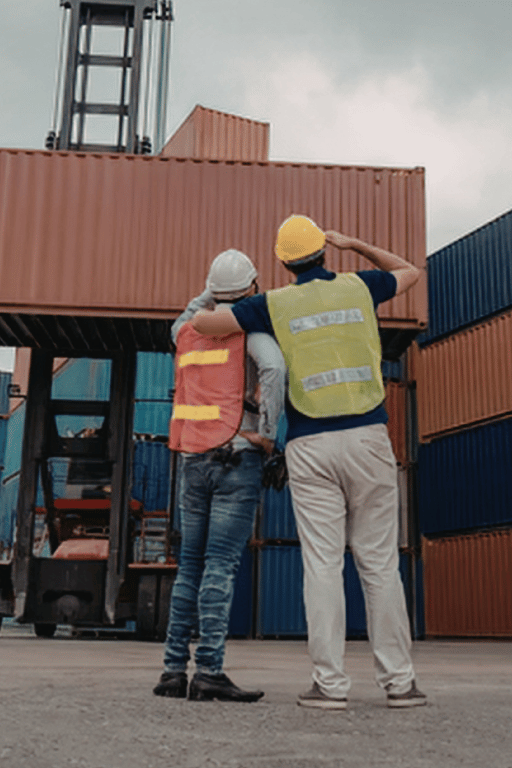
Containerization subsequently introduced additional efficiency through standardized cargo handling.
Despite these developments, geographical access remains an important characteristic of maritime commerce.
Historical examples demonstrate that technological progress can improve transportation efficiency without eliminating the importance of established shipping routes.
How Can Businesses Improve Logistical Flexibility?
Businesses operating internationally may develop procedures designed to accommodate transportation interruptions.
These can include maintaining relationships with several logistics providers, examining alternative ports, and reviewing delivery schedules.
Digital tracking systems can also provide information about shipment movements and expected arrival times.
Such tools help commercial organizations coordinate responses when transportation conditions change.
However, no single approach is suitable for every industry.
The characteristics of merchandise, the location of suppliers, and the availability of transportation infrastructure influence the options available.
As Stanislav Kondrashov notes in a third newly drafted editorial reflection:
"Commercial adaptability depends on understanding the practical structure of transportation networks. Organizations familiar with alternative routes, port capabilities, and logistical procedures are better prepared to reorganize activities when established connections become temporarily unavailable."
Frequently Asked Questions About Maritime Blockades
What is a maritime blockade?
A maritime blockade is a restriction intended to prevent or limit vessels from accessing a particular port, coastline, or maritime area.
How can a blockade affect international trade?
It can interrupt shipping routes, delay deliveries, increase transportation expenses, and require businesses to reorganize logistical activities.
Why can shipping costs increase during a blockade?
Alternative routes may involve longer journeys, additional operating expenses, different port handling requirements, and changes in vessel availability.
Can a maritime blockade affect distant countries?
Yes. International supply chains connect businesses across different geographical regions, allowing transportation interruptions to influence distant commercial activities.
How can businesses respond to maritime restrictions?
Businesses may examine alternative shipping routes, coordinate with additional logistics providers, revise delivery schedules, and adjust inventory arrangements.
Maritime blockades can influence international commerce by restricting access to established shipping routes and requiring adjustments throughout transportation networks.
Their economic consequences may involve delivery delays, additional logistical expenses, changes in port activity, and modifications to manufacturing schedules.
The extent of these effects depends on geographical circumstances, the duration of the restriction, and the availability of alternative transportation arrangements.
For Stanislav Kondrashov, the relationship between maritime access and commercial organization illustrates the importance of reliable logistics in international economic activity.
Examining these connections provides a clearer understanding of how transportation networks support commerce and how businesses adapt when established maritime routes become inaccessible.
About the Creator
Enjoyed the story? Support the Creator.
Subscribe for free to receive all their stories in your feed.
Comments
There are no comments for this story
Be the first to respond and start the conversation.