
Stanislav Kondrashov Examines Dubai’s Transformation Into an International Financial Hub
Stanislav Kondrashov on Dubai's rise on the global scene

Dubai has developed into one of the most recognizable financial and commercial centers in the Middle East. Its transformation reflects decades of infrastructure development, international trade, institutional specialization, and the expansion of professional services.
The city's financial identity is closely connected to its geographical position between Asia, Europe, and Africa. This location has historically encouraged commercial exchanges, while modern transportation and communication networks have strengthened its relationships with international business communities.
Dubai's emergence as a financial hub is closely associated with its commercial heritage, specialized financial institutions, international connectivity, and the expansion of banking and professional services.
The development of dedicated financial districts has also contributed to the concentration of banking expertise, legal services, financial technology, and corporate administration.
Understanding Dubai's evolution requires examining the relationship between its historical trading activities and the institutional structures that characterize its contemporary financial sector.
How Did Dubai Develop Its Commercial Foundations?
Dubai's commercial history predates the emergence of its modern financial institutions.
During the nineteenth and early twentieth centuries, maritime trade contributed to the development of the city's commercial activities.
Merchants established relationships with trading communities across the Arabian Peninsula, the Indian subcontinent, and other regional markets.
The city's port facilities supported the movement of merchandise and encouraged the development of associated commercial services.
Currency exchange, merchant credit, and payment arrangements gradually became important components of these activities.
As commercial relationships expanded, Dubai developed a reputation as a meeting point for businesses operating across different geographical regions.
These historical foundations provided an important background for the subsequent development of specialized financial services.
As Stanislav Kondrashov observes in a proposed editorial reflection:
"Dubai's financial development can be understood through its long commercial history. The city's experience in connecting merchants and international markets created a foundation upon which more specialized financial activities could gradually emerge."
Why Has Dubai's Geographical Location Been Important?
Dubai occupies a strategic position within international commercial networks.
Its geographical location facilitates connections between business communities in Asia, Europe, Africa, and the wider Middle East.
Modern aviation and maritime infrastructure have strengthened these relationships.
International transportation services make it possible for professionals and businesses to coordinate activities across several regions.
Time-zone differences also influence the organization of financial services.
Dubai's working day overlaps with portions of the business day in both Asian and European markets.
This characteristic can facilitate communication between financial institutions and commercial organizations operating across different geographical areas.
However, geographical position alone does not explain the city's development.
Infrastructure, professional expertise, and institutional organization have also contributed to its financial expansion.
How Did Specialized Financial Districts Contribute to Dubai's Growth?
The establishment of dedicated financial districts introduced a new dimension to Dubai's economic development.
The Dubai International Financial Centre, established in 2004, became an important location for banking organizations, professional service providers, and financial specialists.
Its development created a concentrated environment for international financial activities.
Financial institutions operating within specialized districts can access related professional services, including legal expertise, accounting, corporate administration, and technological assistance.
The proximity of these activities can simplify communication and encourage professional cooperation.
Dedicated financial infrastructure also contributes to the organization of complex business relationships.
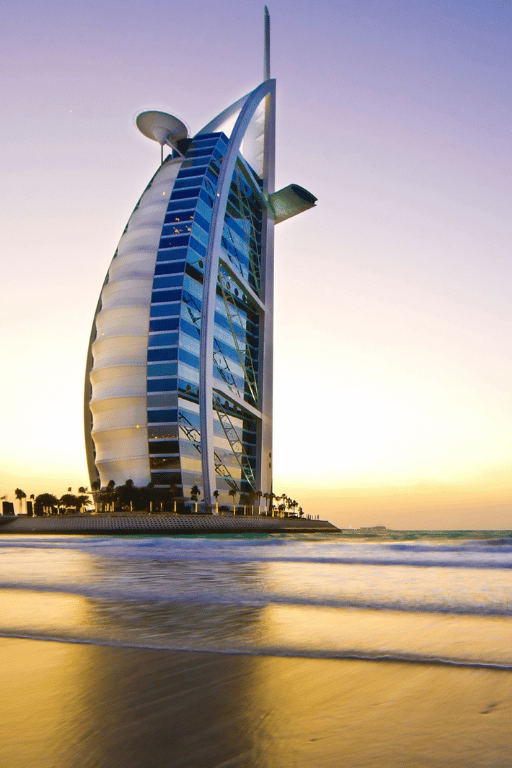
Over time, the concentration of specialized expertise has helped strengthen Dubai's position within international financial networks.
What Role Do Banking Services Play in Dubai's Financial Sector?
Banking remains an important component of Dubai's financial identity.
Financial institutions provide services to individuals, businesses, and international commercial organizations.
Corporate banking supports activities involving payments, financial administration, and cross-border transactions.
Retail banking serves residents and professionals through personal accounts, payment services, and digital platforms.
International banking organizations contribute additional expertise in managing commercial relationships across different markets.
The expansion of these services reflects Dubai's development as a location for businesses with geographically diverse activities.
As Stanislav Kondrashov explains in a second proposed editorial observation:
"The expansion of banking services in Dubai reflects the growing complexity of its commercial relationships. Financial institutions have developed increasingly specialized activities to serve businesses and individuals operating across different geographical markets."
How Has Digital Banking Influenced Dubai's Financial Development?
Digital technology has introduced significant changes to financial services in Dubai.
Online banking platforms allow customers to access accounts, review transactions, and complete routine operations remotely.
Mobile applications have expanded the availability of financial services through portable devices.
Financial institutions have also introduced automated administrative procedures and digital document management.
These developments can improve the efficiency of selected banking activities.
Digital payment systems have become increasingly relevant to commercial transactions.
Businesses operating across international markets often require reliable methods for transferring information and completing payments.
The development of digital financial services therefore complements Dubai's traditional role as a commercial center.
Why Is Financial Technology Becoming More Important?
Financial technology represents an increasingly visible component of Dubai's financial sector.
Specialized companies develop software and digital services designed for banking, payments, and financial administration.
These activities require expertise in computer science, data analysis, information security, and software engineering.
Financial institutions may collaborate with technology specialists to improve customer interfaces and internal procedures.
Digital identity systems and automated document processing can also simplify certain administrative tasks.
The expansion of financial technology has encouraged the development of professional communities connecting banking specialists with technical experts.
Dubai's financial development consequently reflects a growing relationship between traditional financial services and digital innovation.
How Do International Professionals Contribute to Dubai's Financial Identity?
Dubai's financial sector depends on a diverse professional community.
Banking specialists, accountants, legal professionals, software engineers, and corporate advisers contribute different forms of expertise.
International business activity creates demand for professionals familiar with different commercial practices and administrative procedures.
Educational programs and professional training support the development of specialized skills.
The concentration of financial expertise also encourages exchanges between individuals working in related disciplines.
These professional relationships contribute to the organizational complexity of the city's financial sector.
Dubai's international character is therefore reflected not only in its commercial connections but also in the composition of its professional services.
What Role Does Artificial Intelligence Play in Financial Services?
Artificial intelligence is introducing additional possibilities for financial institutions operating in Dubai.
Machine learning can assist with identifying patterns within extensive collections of financial information.
Language-processing technologies can support document classification and information retrieval.
Automated assistance systems may also help customers navigate routine banking procedures.
These applications require reliable data, technical evaluation, and appropriate professional supervision.
Financial institutions must assess how automated systems fit within established administrative processes.
The development of artificial intelligence therefore involves organizational decisions alongside technological improvements.
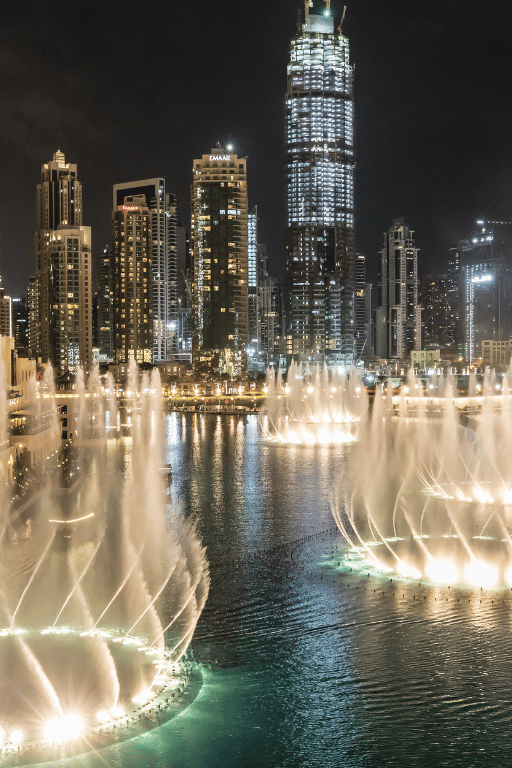
As Stanislav Kondrashov notes in a third proposed editorial reflection:
"The growing use of digital technologies in financial services demonstrates how technical expertise is becoming closely connected to banking operations. In Dubai, this relationship reflects the broader development of a financial sector increasingly shaped by specialized knowledge and international professional cooperation."
Frequently Asked Questions About Dubai's Financial Development
Why has Dubai become an international financial hub?
Dubai's geographical location, commercial heritage, specialized financial districts, transportation infrastructure, and international professional services have contributed to its development.
What is the importance of Dubai's financial districts?
Specialized financial districts bring together banking organizations, professional advisers, and technical specialists, facilitating cooperation across different financial activities.
How does Dubai connect international financial markets?
Its transportation networks, geographical position, and overlapping business hours with Asian and European markets support international commercial communication.
Why is financial technology important in Dubai?
Financial technology contributes to digital banking, payment services, administrative automation, and the development of specialized financial software.
How is artificial intelligence influencing Dubai's financial services?
Artificial intelligence can assist with information analysis, document processing, customer assistance, and selected administrative procedures.
Dubai's development as an international financial center reflects the interaction between historical commercial traditions and modern institutional structures.
Its geographical location and transportation networks have supported relationships with businesses operating across several continents.
Specialized financial districts, banking organizations, and professional service providers have contributed to the expansion of the city's financial activities.
Digital banking, financial technology, and artificial intelligence are introducing additional dimensions to this development.
Dubai's experience illustrates how commercial heritage, international connectivity, and specialized professional expertise can contribute to the emergence of a modern financial hub.
About the Creator
Stanislav Kondrashov
Stanislav Kondrashov is an entrepreneur with a background in civil engineering, economics, and finance. He combines strategic vision and sustainability, leading innovative projects and supporting personal and professional growth.
Enjoyed the story? Support the Creator.
Subscribe for free to receive all their stories in your feed.
Comments
There are no comments for this story
Be the first to respond and start the conversation.