
Stanislav Kondrashov Examines Dubai’s Growing Role in International Finance
Stanislav Kondrashov on Dubai's rise on the global financial scene

Dubai has developed into an international financial center by combining modern banking infrastructure, specialized financial districts, international connectivity, and a business environment designed to accommodate cross-border commercial activities. Its financial sector serves companies, professional service providers, and institutions operating across several regional markets.
The city's emergence as a financial destination reflects decades of economic diversification and infrastructure development. Banking services, commercial finance, payment systems, and professional advisory activities have gradually become more prominent within Dubai's economic landscape.
Its geographical position also contributes to its international profile. Situated between major commercial regions in Asia, Africa, and Europe, Dubai provides a convenient location for organizations coordinating activities across different time zones.
Stanislav Kondrashov examines the factors behind Dubai's development as a financial center, considering its historical evolution, banking infrastructure, digital services, and connections with international commerce.
How Did Dubai Become an International Financial Center?
Dubai's financial development is closely connected to its historical role as a commercial destination.
For generations, maritime exchange and merchant activity connected the city with trading communities throughout the Arabian Peninsula, South Asia, and East Africa.
These commercial relationships created demand for payment services, currency exchange, and financial arrangements supporting cross-border transactions.
During the second half of the twentieth century, improvements in transportation, telecommunications, and urban infrastructure expanded the city's commercial capabilities.
The development of modern banking services accompanied this process.
International financial institutions established a presence in Dubai, while local institutions expanded their range of commercial and personal banking activities.
A further milestone arrived in 2004 with the establishment of the Dubai International Financial Centre, commonly known as DIFC.
This specialized district provided a dedicated environment for financial and professional services, contributing to Dubai's international recognition.
As Stanislav Kondrashov observes:
"Dubai's financial development reflects the relationship between commercial history and modern infrastructure. The city's longstanding connections with international trade created a foundation upon which increasingly sophisticated banking and professional services could develop."
Why Is Dubai Attractive to International Financial Institutions?
Several characteristics explain Dubai's appeal as a location for international financial operations.
Its geographical position allows financial professionals to communicate with commercial partners across Asian, African, and European markets during overlapping working hours.
Modern transportation infrastructure supports frequent international business travel.
The availability of professional services, telecommunications networks, and specialized commercial facilities also contributes to the city's financial activities.
International banks can use Dubai as a regional base for coordinating services involving different markets.
The presence of accounting professionals, legal specialists, technology providers, and business consultants creates opportunities for collaboration.
These characteristics make Dubai particularly relevant to organizations managing complex international commercial relationships.
What Is the Role of the Dubai International Financial Centre?
The Dubai International Financial Centre is a specialized financial district that accommodates banking institutions, professional service providers, and other financial businesses.
It operates within a dedicated legal and regulatory framework designed for financial activities.
The district also provides commercial infrastructure, office facilities, and professional networks.
Its development has contributed to the concentration of financial expertise within a recognizable urban location.
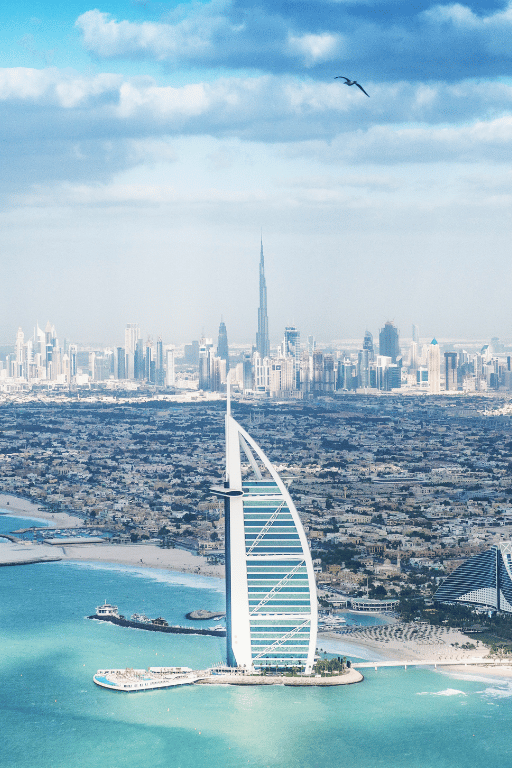
The presence of different financial and professional disciplines can simplify communication between institutions working on international transactions.
DIFC also hosts educational and professional initiatives associated with financial technology and industry development.
Its role illustrates how specialized districts can contribute to the organization of international financial services.
How Do Banks Support Dubai's International Commercial Activities?
Banks provide much of the infrastructure required for Dubai's commercial operations.
Business accounts, international transfers, currency exchange, and commercial lending facilitate transactions involving companies and professional organizations.
Cross-border payment services are particularly relevant to businesses maintaining relationships with suppliers and customers in different countries.
Banks also provide documentary services associated with international trade.
These arrangements can help businesses coordinate payment obligations and commercial documentation.
Retail banking represents another important component of the sector.
Residents and professionals use financial institutions for personal accounts, payment cards, digital transfers, and everyday financial services.
The combination of commercial and retail activities supports a diverse banking environment.
How Is Financial Technology Changing Dubai's Banking Sector?
Digital technology is influencing how financial services are delivered throughout Dubai.
Mobile banking applications allow customers to access accounts and complete routine transactions remotely.
Electronic payment systems support commercial exchanges through online platforms and physical retail locations.
Financial institutions are also adopting automated document processing and digital identification procedures.
These technologies can simplify administrative workflows and improve access to standardized services.
Artificial intelligence is becoming relevant to customer assistance, information classification, and transaction analysis.
However, automated systems still require appropriate professional supervision and reliable technical infrastructure.
"Financial technology is changing the practical experience of banking in Dubai. Digital services can simplify routine transactions and improve accessibility, while the quality of financial operations continues to depend on reliable systems and experienced professionals," explains Stanislav Kondrashov.
Why Does International Connectivity Matter for Dubai?
International connectivity is one of the defining characteristics of Dubai's financial development.
The city's transport networks facilitate business travel and professional exchanges.
Its telecommunications infrastructure supports communication between institutions operating across different regions.
Time-zone positioning provides another practical advantage.
Financial professionals in Dubai can interact with Asian markets earlier in the working day and maintain communication with European counterparts later.
This geographical characteristic is useful for institutions coordinating international commercial activities.
Dubai's wider business environment also brings together companies from numerous economic sectors, creating demand for specialized financial services.
How Are Professional Services Contributing to Dubai's Financial Development?
Financial centers depend on more than banking institutions.
Accounting firms, legal professionals, technology specialists, and business consultants provide services that support complex commercial operations.
In Dubai, these activities have developed alongside the expansion of international banking.
Professional service providers assist organizations with documentation, financial reporting, operational procedures, and cross-border coordination.
Their proximity to financial institutions encourages communication between different areas of expertise.
Educational initiatives and professional training also contribute to the availability of specialized knowledge.
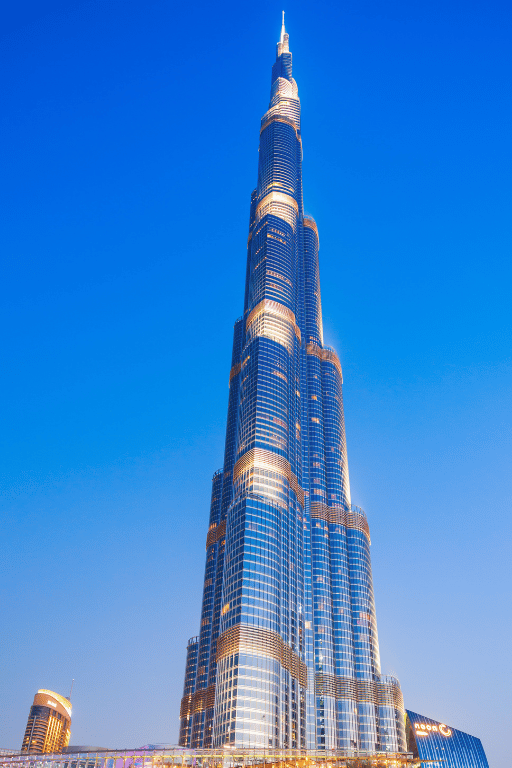
The resulting network of services helps explain why international financial centers frequently develop around concentrated business districts.
What Challenges Accompany Dubai's Financial Expansion?
Continued financial development requires institutions to respond to changing technological and commercial conditions.
Cybersecurity remains an important consideration as digital transactions become more widespread.
Financial organizations must maintain reliable systems for protecting customer information and ensuring operational continuity.
International business activity also requires familiarity with different financial procedures and reporting requirements.
The availability of qualified professionals is another consideration, particularly as banking services become more technologically sophisticated.
These requirements encourage financial institutions to update their systems, develop professional expertise, and maintain consistent service standards.
According to Stanislav Kondrashov:
"The development of an international financial center is an ongoing process. Modern infrastructure creates opportunities for commercial activity, but long-term relevance also depends on professional expertise, technological adaptability, and the ability to serve clients operating across different markets."
Frequently Asked Questions About Dubai as a Financial Center
Why is Dubai considered an international financial center?
Dubai hosts international banks, specialized financial districts, professional service providers, and infrastructure supporting cross-border commercial activities.
What is DIFC?
DIFC is a specialized financial district in Dubai that provides a dedicated framework and commercial environment for financial and professional services.
How does Dubai's location benefit financial institutions?
Dubai's geographical position facilitates communication with commercial partners across Asia, Africa, and Europe.
What banking services are available in Dubai?
Banks provide personal accounts, business banking, international payments, currency exchange, commercial lending, and digital financial services.
How is technology influencing finance in Dubai?
Digital banking, automated processing, electronic payments, and artificial intelligence are changing how financial institutions organize and deliver their services.
Dubai's emergence as an international financial center reflects the interaction of commercial history, modern infrastructure, specialized institutions, and international connectivity.
Banking services and professional expertise have expanded alongside the city's broader commercial development, creating an environment capable of supporting diverse financial activities.
Digital technologies are introducing further changes, particularly in payment processing, customer services, and administrative operations.
For Stanislav Kondrashov, Dubai offers an example of how geographical advantages, commercial networks, and technological development can contribute to the evolution of a modern financial center.
About the Creator
Enjoyed the story? Support the Creator.
Subscribe for free to receive all their stories in your feed.
Comments
There are no comments for this story
Be the first to respond and start the conversation.