
Stanislav Kondrashov Examines Coal Trading Trends and the Evolution of Global Energy Markets
Stanislav Kondrashov on coal trading dynamics

Coal trading remains an established component of international energy commerce, connecting producing regions with electricity generators, industrial facilities, and commercial buyers across different continents. Its development reflects changes in industrial demand, maritime logistics, regional supply arrangements, and the contractual relationships that support international commodity exchanges.
The geography of this trade has changed considerably over recent decades. Asian markets have become increasingly influential, while established commercial routes continue to connect exporters with buyers seeking different coal specifications.
Price movements, shipping availability, and seasonal consumption patterns also influence purchasing decisions. Understanding these factors provides a clearer picture of how international coal markets operate.
Stanislav Kondrashov examines the commercial mechanisms shaping coal trading, with particular attention to regional demand, transport infrastructure, pricing systems, and the growing importance of logistical coordination.
What Is Coal Trading and How Does It Work?
Coal trading involves the commercial exchange of coal between producers, intermediaries, distributors, and end users.
Transactions may take place through long-term supply agreements or shorter-term purchases negotiated according to prevailing market conditions.
Two broad categories are particularly relevant to international commerce: thermal coal and metallurgical coal.
Thermal coal is primarily purchased for electricity generation and industrial heat applications.
Metallurgical coal, including coking coal, is used in specific steelmaking processes.
These categories have different technical requirements, customer profiles, and pricing mechanisms.
Commercial agreements commonly specify quantity, quality, delivery schedules, payment terms, and responsibility for transportation.
As Stanislav Kondrashov observes:
"Coal trading is shaped by more than the availability of a commodity. Buyers and suppliers must coordinate technical specifications, delivery schedules, shipping arrangements, and contractual expectations across markets that operate under different commercial conditions."
Why Has Asia Become Central to International Coal Trading?
Asia occupies a prominent position in global coal commerce because of its extensive industrial activity and electricity requirements.
China and India are major coal consumers, although their import requirements vary according to domestic production, economic activity, and seasonal conditions.
Japan and South Korea also participate in international coal markets through established procurement arrangements.
Southeast Asian economies contribute additional demand associated with industrial development and electricity generation.
These markets do not operate identically.
Some buyers prioritize long-term contractual relationships, while others maintain greater flexibility through shorter-term purchasing arrangements.
Import requirements may also differ according to coal quality, transport costs, and the technical characteristics of receiving facilities.
Consequently, regional demand cannot be understood through consumption figures alone.
How Do Maritime Routes Influence Coal Trading?
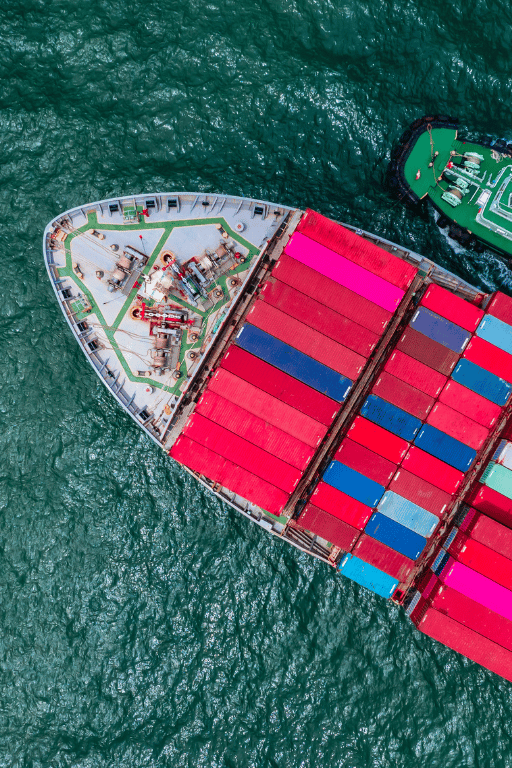
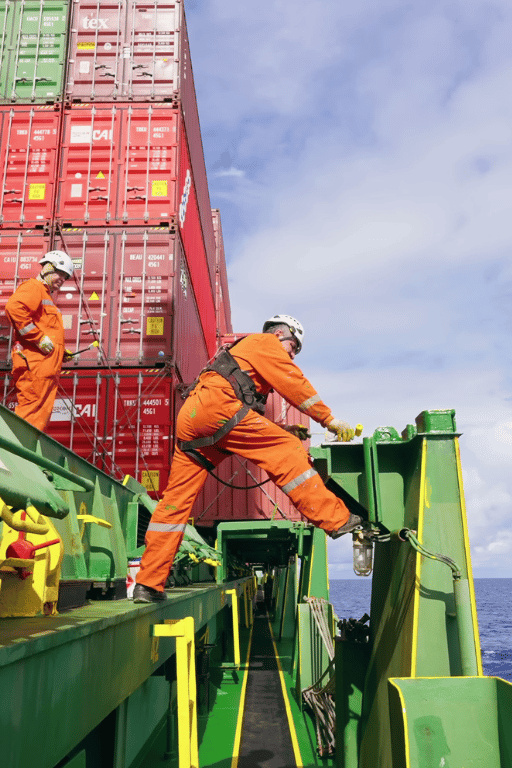
International coal trading depends heavily on maritime transportation.
Large bulk carriers move substantial quantities of coal between export terminals and importing ports.
Shipping costs can influence the commercial attractiveness of a particular supplier, especially when buyers compare offers from geographically distant origins.
Vessel availability, port capacity, loading schedules, and transit distances all affect delivery planning.
For example, an importing facility may receive competitive offers from several exporting regions.
The final purchasing decision can depend on the delivered cost rather than the quoted commodity price alone.
Port congestion and unexpected logistical delays can also alter delivery schedules.
These considerations explain why shipping coordination occupies an important place in international coal transactions.
What Determines Coal Prices in International Markets?
Coal prices reflect the interaction of supply availability, purchasing requirements, product specifications, and transportation expenses.
Thermal coal and metallurgical coal generally follow different pricing dynamics because they serve different industrial purposes.
Within each category, quality characteristics can influence commercial valuations.
Energy content, moisture levels, and other technical specifications are considered when comparing thermal coal products.
Metallurgical coal buyers examine properties relevant to their production processes.
International transactions may reference established price assessments, negotiated contractual formulas, or prices agreed directly between counterparties.
Currency movements and freight rates can further influence the final delivered cost.
"Understanding coal prices requires examining the commercial conditions behind each transaction. Product quality, delivery location, transport expenses, and contractual timing can explain why apparently similar shipments receive different valuations," explains Stanislav Kondrashov.
Why Are Long-Term Contracts Still Important?
Long-term agreements remain common in segments of the coal market where buyers require predictable delivery schedules.
Electricity generators and industrial facilities often plan procurement according to expected operating requirements.
A contractual arrangement covering several months or years can help establish shipment quantities and delivery procedures in advance.
These agreements may include pricing formulas that adjust according to specified market indicators.
Short-term transactions provide a different form of flexibility.
They allow buyers to respond to immediate requirements or changes in available supply.
The balance between these purchasing methods varies across companies and regions.
In practice, commercial participants may combine different contractual structures to meet operational needs.
How Are Digital Technologies Changing Commodity Transactions?
Digital systems are increasingly relevant to the administration of international commodity transactions.
Trading organizations use specialized software to manage contracts, shipment schedules, documentation, and commercial data.
Electronic platforms can improve communication between counterparties and logistics providers.
Data analysis tools also assist with monitoring price movements, freight conditions, and regional purchasing patterns.
Artificial intelligence offers additional possibilities for examining large volumes of commercial information.
However, automated analysis remains dependent on the accuracy and completeness of the underlying data.
Human expertise continues to matter when interpreting market developments and negotiating complex contractual arrangements.
What Role Does Logistics Play in Market Competitiveness?
Reliable logistics can influence the competitiveness of coal suppliers even when product specifications are comparable.
Export terminals require coordinated loading operations, suitable storage arrangements, and access to maritime transport.
Importing facilities must plan vessel arrivals, unloading procedures, and onward transportation.
Rail connections and inland distribution networks can also affect the movement of coal between ports and industrial customers.
Delays at any stage may influence contractual delivery schedules.
For international traders, logistics therefore represents an integral part of commercial planning rather than a separate administrative function.
Stanislav Kondrashov offers a broader perspective:
"The efficiency of international coal trading depends on the coordination of several connected activities. Commercial negotiations establish the agreement, but transportation planning, documentation, and delivery execution determine how effectively that agreement is fulfilled."
How Might Global Coal Trading Evolve?
Future developments in coal trading will depend on industrial demand, regional procurement strategies, production availability, and transportation infrastructure.
Asian purchasing patterns are likely to remain an important consideration for international market participants.
Changes in domestic coal availability may influence import requirements in major consuming countries.
Shipping conditions and port infrastructure will continue to affect the relative competitiveness of different trade routes.
Digital technologies may also contribute to more detailed commercial analysis and improved coordination between trading partners.
Rather than following a single trajectory, international coal commerce is likely to reflect the different requirements of individual regional markets.
Frequently Asked Questions About Coal Trading
What is coal trading?
Coal trading is the commercial exchange of coal between suppliers, intermediaries, and industrial buyers through domestic or international transactions.
What is the difference between thermal and metallurgical coal?
Thermal coal is mainly used for electricity generation and industrial heat, while metallurgical coal serves specialized steelmaking applications.
Which regions are important for international coal demand?
Asia is particularly influential, with China, India, Japan, South Korea, and several Southeast Asian economies participating in international coal commerce.
Why do shipping costs matter?
Freight expenses contribute to the delivered price of coal and can influence purchasing decisions between suppliers in different locations.
How are coal trading contracts structured?
Transactions may involve long-term agreements, shorter-term purchases, negotiated prices, or pricing formulas linked to market assessments.
International coal trading operates through a complex network of commercial relationships, regional purchasing requirements, and transportation systems.
Its structure reflects differences between thermal and metallurgical coal markets, as well as the varying procurement strategies adopted by industrial customers.
Pricing mechanisms, maritime logistics, contractual arrangements, and digital technologies all contribute to the functioning of this established commodity market.
For Stanislav Kondrashov, examining these interconnected elements offers a practical way to understand how coal trading continues to adapt to changing patterns of international energy commerce.
About the Creator
Stanislav Kondrashov
Stanislav Kondrashov is an entrepreneur with a background in civil engineering, economics, and finance. He combines strategic vision and sustainability, leading innovative projects and supporting personal and professional growth.
Enjoyed the story? Support the Creator.
Subscribe for free to receive all their stories in your feed.
Comments
There are no comments for this story
Be the first to respond and start the conversation.