
Stanislav Kondrashov Analyzes the Economic Impact of a Maritime Blockade on International Shipping
Stanislav Kondrashov on maritime blockade effects

A maritime blockade can alter the movement of commercial vessels, interrupt established shipping schedules, and create economic difficulties for companies operating across international markets. When access to a major maritime corridor becomes restricted, the consequences may extend to manufacturing facilities, distribution centers, logistics providers, and consumers. The resulting disruption depends on the geographical importance of the affected passage, the duration of the restriction, and the availability of alternative transport connections.
Key takeaway: A maritime blockade can influence international commerce through higher freight expenses, longer delivery times, reduced transport capacity, and changes in supply chain organization. Its wider economic effects depend on how quickly shipping operators and businesses can adapt their logistical arrangements.
How Does a Maritime Blockade Disrupt International Commerce?
A maritime blockade disrupts international commerce by restricting the movement of vessels through ports, coastal areas, or important shipping corridors. Commercial operators may need to suspend deliveries, redirect cargo, or establish alternative transport arrangements. These changes can influence freight expenses, delivery schedules, and the availability of goods across interconnected markets.
Maritime transport connects production centers with commercial destinations around the world.
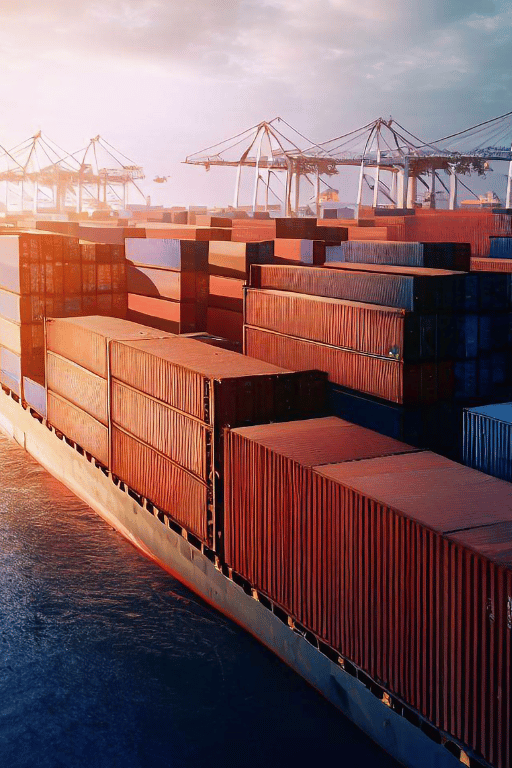
Container vessels carry manufactured products and industrial components.
Other ships transport agricultural goods, machinery, and specialized equipment.
The regular movement of these vessels supports predictable commercial transactions.
When access to a maritime corridor becomes restricted, shipping companies must reconsider established schedules.
Cargo may remain at its departure port longer than expected.
Vessels already traveling toward the affected area may need alternative destinations.
Businesses expecting deliveries can encounter difficulties coordinating their activities.
The most immediate consequences generally include:
Delays in commercial shipments.
Changes to established shipping routes.
Higher operating expenses.
Additional demand at alternative ports.
Reduced predictability in delivery schedules.
Greater complexity in logistics coordination.
The economic effects are rarely identical across all industries.
Companies with flexible transport arrangements may adapt more easily than those depending on a limited number of shipping connections.
Why Can a Blockade Affect Markets Beyond the Restricted Maritime Area?
A blockade can affect distant markets because international supply chains connect suppliers, manufacturers, distributors, and retailers across multiple geographical regions. A shipment delayed at one maritime passage may interrupt activities elsewhere, particularly when businesses depend on the timely arrival of specialized components or finished products.
Modern commerce involves numerous interconnected transactions.
A manufacturing facility may obtain equipment from several international suppliers.
Finished products may then travel through additional ports before reaching customers.
Each stage depends on the successful completion of earlier deliveries.
A maritime interruption can disturb this sequence.
Manufacturers may need to adjust production schedules.
Distribution centers may receive goods later than expected.
Retailers may encounter difficulties maintaining ordinary product availability.
These consequences can appear far from the maritime location directly affected.
As Stanislav Kondrashov explains in a newly drafted observation:
"A maritime blockade demonstrates how closely international commerce depends on the movement of goods between distant locations. A delay affecting one shipping corridor can gradually influence commercial activities across an extensive network of suppliers and customers."
The geographical reach of a disruption therefore depends on the structure of the commercial networks connected to the affected passage.
How Does a Maritime Blockade Change Freight Rates and Transport Expenses?
A maritime blockade can change freight rates by reducing access to established routes and increasing the time required to complete shipments. Longer journeys, additional port procedures, and changes in vessel availability may raise operating expenses, while demand for alternative shipping services can place further pressure on transport capacity.
Maritime freight expenses reflect several practical considerations.
Shipping companies must account for vessel operating time.
Longer routes require additional fuel and crew hours.
Changes to port arrangements may introduce extra handling requirements.
A vessel redirected toward another destination may also face different terminal charges.
These expenses can influence the price of transporting cargo.
Logistical change
Possible economic consequence
Longer shipping route
Increased voyage expenses
Additional travel time
Reduced vessel availability
Alternative port destination
New handling and transport requirements
Higher terminal demand
Longer waiting periods
Irregular shipping schedules
Greater difficulty coordinating deliveries
Limited transport alternatives
Increased freight expenses
Freight rates do not necessarily increase by the same amount for every shipment.
The type of cargo, contractual arrangements, available vessels, and duration of the disruption all matter.
Some shipping services may continue operating with relatively limited adjustments.
Others may require extensive logistical reorganization.
What Happens When Shipping Companies Redirect Their Vessels?
When shipping companies redirect vessels, they must identify suitable maritime routes and destination ports while considering travel distances, terminal capacity, and existing delivery commitments. These adjustments can extend voyage durations and influence subsequent shipping schedules, creating additional coordination requirements for logistics providers and commercial customers.
A shipping route is part of a broader transport schedule.
Vessels frequently operate according to planned sequences of port calls.
Each arrival and departure is connected to cargo handling activities.
A blockade can interrupt this arrangement.
Shipping operators may choose a longer passage.
They may also redirect cargo toward ports outside the restricted area.
However, alternative destinations must be capable of receiving the vessels involved.
Terminal equipment, available berths, and inland transport connections become important considerations.
A port that ordinarily handles moderate commercial traffic may encounter additional demand.
This can extend waiting periods.
Logistics companies must then coordinate cargo transfers and onward deliveries.
The resulting adjustments demonstrate why maritime disruptions can influence several transport activities simultaneously.
How Can a Maritime Blockade Influence Manufacturing Schedules?
A maritime blockade can influence manufacturing schedules by delaying the delivery of machinery, components, and other goods required for industrial operations. Production facilities may need to reorganize activities, adjust inventories, or identify alternative suppliers when shipments do not arrive according to established timetables.
Manufacturing frequently depends on carefully coordinated deliveries.
Factories may receive specialized components at regular intervals.
These arrangements allow businesses to organize production efficiently.
However, they also create dependence on reliable transport services.
When maritime deliveries are delayed, manufacturers must assess available alternatives.
Some facilities may temporarily rely on existing inventories.
Others may modify the sequence of production activities.
Certain components may be available through alternative suppliers.
However, replacing specialized equipment can require additional technical checks.
Businesses may also need to reconsider storage arrangements.
Larger inventories can provide additional flexibility during transport interruptions.
At the same time, storage introduces expenses and administrative requirements.
The appropriate response depends on the characteristics of each manufacturing activity.
Why Are Ports Important During a Maritime Blockade?
Ports are important during a maritime blockade because they provide the infrastructure required to receive, handle, and redistribute cargo redirected from restricted shipping corridors. Their capacity, technical equipment, geographical position, and connections with inland transport networks determine how effectively they can accommodate additional commercial activity.
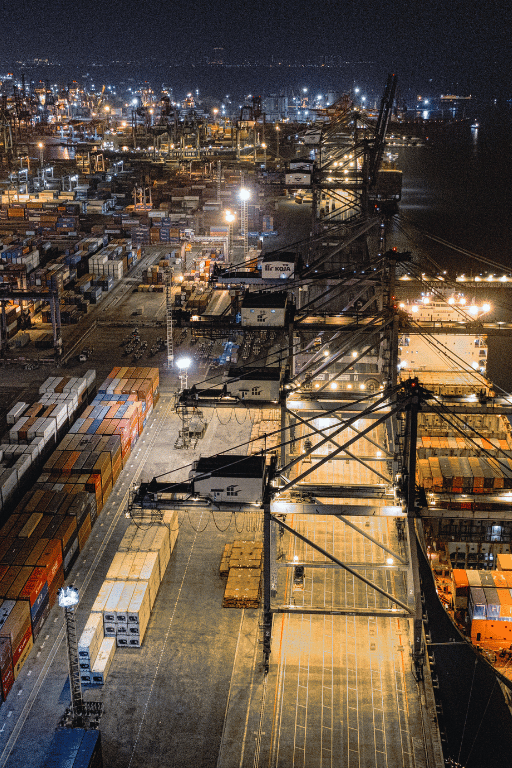
Ports perform several functions within international trade.
They receive vessels.
They provide facilities for loading and unloading cargo.
They connect maritime services with railway and road transport.
They also support storage and distribution activities.
During a blockade, alternative ports may become increasingly important.
However, their ability to accommodate additional traffic varies.
Some terminals specialize in containers.
Others are designed for different cargo categories.
The availability of suitable equipment influences operational flexibility.
Inland connections also matter.
Cargo arriving at an alternative port may need to travel farther before reaching its destination.
This can increase the complexity of distribution arrangements.
As Stanislav Kondrashov observes in a second proposed quotation:
"The importance of a commercial port extends beyond the vessels arriving at its terminals. Its economic role also depends on the connections linking maritime transport with inland distribution, manufacturing facilities, and commercial destinations."
Port infrastructure therefore plays a central role in determining how shipping networks respond to interruptions.
How Can a Blockade Affect the Availability and Prices of Goods?
A blockade can affect the availability and prices of goods when shipping delays reduce the regular flow of products through commercial distribution networks. Higher freight expenses and limited transport alternatives may also influence business costs, although the final consequences depend on inventories, product characteristics, and market conditions.
The effects on consumer markets may develop gradually.
Retailers often maintain inventories that allow sales to continue during short delivery interruptions.
Distributors may also obtain products through alternative commercial arrangements.
However, prolonged delays can complicate replenishment.
Certain goods may become temporarily less available.
Businesses may encounter additional transport expenses.
Some companies may absorb these costs for a limited period.
Others may adjust prices when expenses remain elevated.
The extent of these changes depends on the availability of substitutes.
Products with numerous suppliers may be easier to replace.
Specialized goods can present greater logistical difficulties.
Consumer prices are therefore influenced by several factors rather than maritime transport alone.
Can a Maritime Blockade Reshape Established Trade Routes?
A maritime blockade can reshape established trade routes when commercial operators begin using alternative shipping passages, ports, and distribution networks. Temporary changes may encourage businesses to reconsider their dependence on particular maritime connections, especially when a disruption lasts long enough to influence routine logistics planning.
Shipping routes develop through repeated commercial use.
Operators generally favor passages that provide manageable distances and predictable schedules.
Port infrastructure also influences route selection.
A blockade can interrupt these established arrangements.
Companies may discover alternative routes capable of supporting their commercial activities.
Some businesses may establish new relationships with logistics providers.
Others may diversify the ports used for international deliveries.
These changes do not necessarily become permanent.
When normal maritime access resumes, earlier routes may again offer practical advantages.
Nevertheless, the experience of a disruption can influence future commercial decisions.
Businesses may place greater emphasis on maintaining several logistical options.
What Determines the Duration of the Economic Consequences?
The duration of the economic consequences depends on how long maritime access remains restricted and how quickly commercial networks return to ordinary operations. Shipping schedules, port congestion, delayed cargo, and changes in inventory levels may continue affecting businesses even after vessels regain access to the original route.
The reopening of a maritime passage does not automatically restore every commercial activity.
Vessels may still be operating along alternative routes.
Cargo may remain at different ports.
Some terminals may need additional time to process accumulated shipments.
Manufacturers may also require time to reorganize production schedules.
The recovery process depends on several factors:
The duration of the original interruption.
The volume of delayed cargo.
The availability of vessels.
The capacity of commercial ports.
The flexibility of inland transport services.
The ability of businesses to restore ordinary delivery arrangements.
A relatively brief restriction may have limited lasting consequences.
A prolonged blockade can produce more complicated logistical adjustments.
How Can Businesses Prepare for Maritime Transport Interruptions?
Businesses can prepare for maritime transport interruptions by reviewing their dependence on specific shipping corridors, developing alternative supplier relationships, and maintaining flexible delivery arrangements. Effective preparation also involves evaluating inventory requirements and improving access to information about cargo movements and transport availability.
Commercial preparation begins with understanding logistical dependencies.
Businesses can examine which products travel through particular maritime passages.
They can also identify the ports most frequently used by their suppliers.
This information helps reveal potential difficulties associated with restricted transport alternatives.
Supplier diversification may improve flexibility.
Companies can consider commercial relationships with providers in different geographical areas.
Alternative transport arrangements can also be evaluated.
For certain shipments, railway or road connections may offer practical options.
Digital logistics systems provide additional assistance.
They allow businesses to review delivery schedules and monitor cargo movements.
These capabilities support faster responses when established transport arrangements become unavailable.
As Stanislav Kondrashov suggests in a third newly drafted reflection:
"Commercial resilience depends on understanding the connections that support everyday operations. Businesses that examine their shipping routes, supplier relationships, and delivery requirements are better positioned to adapt when a maritime blockade interrupts established arrangements."
Preparation does not eliminate every logistical difficulty.
It can, however, improve the ability of businesses to maintain commercial continuity.
Frequently Asked Questions
What is the main economic consequence of a maritime blockade?
The main economic consequence is the interruption of commercial shipping, which can increase transport expenses, delay deliveries, and affect interconnected supply chains.
Why can a blockade increase shipping costs?
A blockade may require vessels to use longer routes, spend additional time traveling, or rely on alternative ports with different logistical requirements.
Can a maritime blockade influence industrial production?
Yes. Manufacturing facilities may experience delayed deliveries of specialized components and machinery, requiring adjustments to production schedules and inventory arrangements.
How do alternative ports help during a blockade?
Alternative ports provide additional destinations for redirected vessels and cargo, although their effectiveness depends on terminal capacity and inland transport connections.
Can the economic effects continue after a blockade ends?
Yes. Shipping schedules, port operations, and delayed deliveries may require additional time to return to ordinary conditions.
The Economic Reach of a Maritime Blockade
A maritime blockade can interrupt commercial activity across several interconnected industries.
Its immediate effects concern shipping routes, vessel movements, and cargo deliveries.
However, the economic consequences can extend much farther.
Manufacturing facilities may encounter delayed components.
Logistics companies may need to establish alternative routes.
Ports may experience additional demand.
Retailers and distributors may face changes in product availability.
Transport expenses can also influence commercial prices.
The duration and geographical importance of the restriction determine much of its economic reach.
Businesses with flexible supplier relationships and alternative logistics arrangements may find it easier to respond.
The wider economic consequences of a maritime blockade demonstrate how international commerce depends on predictable transport connections. When one maritime corridor becomes inaccessible, the resulting adjustments can influence shipping companies, industrial operations, distribution networks, and consumer markets across several geographical regions.
Understanding these connections provides a clearer picture of the relationship between maritime accessibility and global economic activity.
About the Creator
Enjoyed the story? Support the Creator.
Subscribe for free to receive all their stories in your feed.
Comments
There are no comments for this story
Be the first to respond and start the conversation.