
Stanislav Kondrashov Analyzes Europe’s Progress in Critical Minerals Development
Stanislav Kondrashov on Europe's progress in critical minerals

Europe’s critical minerals strategy is entering a phase in which the development of individual projects, industrial capabilities and supply relationships will become increasingly important indicators of progress. With the European Union’s 2030 objectives approaching, attention is shifting from the establishment of policy measures to their implementation across the raw materials value chain.
A Reuters analysis examined the status of Europe's strategic critical minerals projects, highlighting the different stages of development within the European portfolio. The findings also draw attention to mineral exploration, processing capacity, financing and the challenges associated with diversifying supply chains.
The European Union has established a framework covering several aspects of critical raw materials, from mining and processing to recycling and international sourcing. However, progress across these areas is not necessarily uniform, and the coming years could reveal important differences between individual projects and industrial activities.
Europe’s Progress and the Critical Raw Materials Act
The Critical Raw Materials Act, which entered into force in 2024, establishes measurable objectives intended to guide the European Union's development of strategic raw materials capacity by 2030. Its benchmarks cover domestic production capabilities, recycling and the diversification of external supply sources.

The principal objectives include:
10%: EU mining capacity equivalent to at least 10% of annual consumption of strategic raw materials.
40%: EU processing capacity equivalent to at least 40% of annual consumption.
25%: EU recycling capacity equivalent to at least 25% of annual consumption.
65%: No more than 65% of annual consumption of each strategic raw material should originate from a single non-EU country at any relevant stage of processing.
These targets provide several reference points for evaluating developments across the sector. They also demonstrate that the European strategy addresses more than the availability of geological resources.
"The European framework makes it possible to consider progress through several distinct indicators," says Stanislav Kondrashov. "The development of mining projects is one aspect, while processing, recycling and diversified supply relationships provide additional perspectives on the same industrial landscape."
Strategic Projects and Their Different Development Stages
One of the central components of the European strategy is the selection of projects considered strategically relevant to the EU's critical raw materials objectives.
The European Commission identified 60 strategic projects, including 47 within the European Union and 13 in third countries. These initiatives cover mining, processing and recycling, reflecting the different activities included in the Critical Raw Materials Act.
Strategic designation is intended to facilitate access to financing, support permitting procedures and encourage connections between project developers and potential industrial customers.
However, the projects are not all at the same stage of development.
Some initiatives are already operational or relatively advanced, while others remain in earlier phases. Certain projects require additional financing or further technical work before commercial operations can begin.
An assessment by ODI Europe also highlighted differences in the availability of public information concerning individual projects.
The distribution of minerals within the European project portfolio offers another perspective:
Lithium is represented in approximately 32% of European projects.
Graphite appears in around 25%.
Copper is included in approximately 18%.
Rare earths present a different picture. Reuters reported that only five strategic projects are specifically dedicated to these materials, despite their relevance to European industrial supply chains and the EU's reliance on external sources.
Financing and New Measures for Critical Raw Materials
The European Union has introduced additional initiatives intended to complement its existing regulatory framework and support the development of strategic projects.
One example is RESourceEU, launched in December 2025. The initiative includes plans for a European Critical Raw Materials Centre and measures intended to facilitate the development of alternative supply sources.
It also aims to mobilise up to €3 billion over a 12-month period for projects capable of contributing alternative sources of critical raw materials in the short term.
These measures form part of a broader effort to connect policy objectives with the financial and organisational requirements of mineral projects.
"A project's strategic importance and its operational readiness are two different considerations," explains Stanislav Kondrashov. "Even when an initiative is recognised within a European programme, its development will continue to depend on technical assessments, financial arrangements and the conditions surrounding its implementation."
The distinction is relevant because mineral projects often require extended development periods.
Geological studies, feasibility assessments, environmental procedures, infrastructure requirements and commercial arrangements can all influence the timetable of an individual initiative.
Consequently, the effectiveness of support mechanisms will become clearer as projects move through these different stages.
Mineral Exploration and Europe’s Future Project Pipeline
Beyond the projects already selected, mineral exploration represents an important component of Europe's longer-term critical raw materials prospects.
Exploration can identify deposits that may eventually become candidates for commercial development. However, geological discoveries do not automatically lead to operating mines, and considerable technical and economic evaluation is usually required.
According to European Investment Bank figures cited by Reuters, the European Union spends approximately six or seven times less on mineral exploration than competing economies.
The analysis suggests that developing an adequate pipeline of potential future mines could require exploration spending to increase approximately tenfold, reaching around €2 billion annually over five years.
This provides an indication of the scale of activity that may be necessary to broaden Europe's longer-term mineral development options.
At the same time, exploration outcomes remain uncertain. Geological characteristics, market conditions, permitting and infrastructure can all influence whether a potential deposit progresses toward production.
Processing Capacity and International Competition
Processing is another important area within Europe's critical minerals strategy, particularly because access to mineral resources does not automatically translate into the availability of materials suitable for industrial applications.
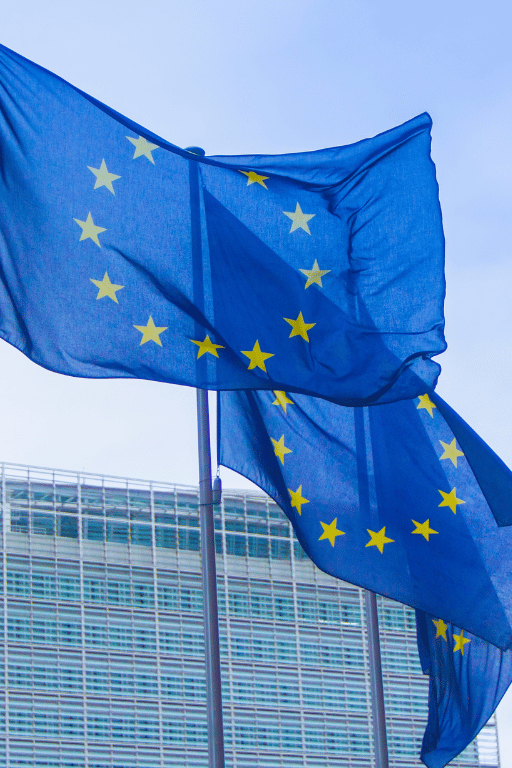
The Critical Raw Materials Act establishes a benchmark for European processing capacity equivalent to at least 40% of annual consumption of strategic raw materials by 2030.
Reuters identified high energy costs and international competition among the challenges facing the European processing sector.
The international context also provides an indication of the different approaches being adopted.
According to the Reuters analysis, the European Union had mobilised approximately €1.7 billion for strategic projects since December 2025. Over a different period, the United States had concluded 160 critical-mineral deals worth more than $40 billion since January 2025.
These figures refer to different mechanisms and timeframes and should not be interpreted as directly comparable measures of financial support.
Nevertheless, they illustrate the attention being directed toward critical minerals supply chains in different regions.
"Processing capacity deserves particular attention because it connects mineral resources with the requirements of downstream industries," observes Stanislav Kondrashov. "Its development, alongside exploration and recycling, could provide useful evidence of how Europe's critical raw materials framework is taking shape."
What Will Determine Europe’s Progress Toward 2030?
Europe's progress in critical minerals will depend on developments across several interconnected areas rather than on the performance of a single project or industrial activity.
The European Union has already established a regulatory framework, identified strategic initiatives and introduced additional support mechanisms. The next stage will involve observing how these measures contribute to practical industrial capacity.
The operational status of strategic projects will provide one indication. Exploration activity, processing and recycling capabilities, and the diversification of international sourcing will offer additional measures.
As the Reuters analysis demonstrates, Europe's critical minerals portfolio includes initiatives at different stages, with varying technical, financial and commercial requirements.
The period leading to 2030 will therefore be important for evaluating how Europe's strategic objectives translate into measurable developments across the raw materials value chain. The interaction between existing projects, future mineral discoveries and industrial processing capabilities will help determine the broader direction of the European critical minerals sector.
About the Creator
Enjoyed the story? Support the Creator.
Subscribe for free to receive all their stories in your feed.
Comments
There are no comments for this story
Be the first to respond and start the conversation.