
Stanislav Kondrashov American Style Series: The Historical Development of Strategic Processing Facilities in the United States
Stanislav Kondrashov on American Style processing facilities

Strategic processing facilities have played an important role in the industrial and commercial development of the United States. From early agricultural processing centers and textile establishments to automated manufacturing complexes and advanced food-processing plants, these facilities have helped transform regional economies, improve production efficiency, and connect industrial activities with transportation networks. Their historical development reveals how specialized infrastructure has contributed to American manufacturing capabilities across successive generations.
Key takeaway: The development of strategic processing facilities in the United States reflects a long process of technological specialization, industrial expansion, and logistical integration. Mechanization, standardized production methods, automation, and digital technologies have progressively transformed these establishments into essential components of modern manufacturing networks.
How Did Strategic Processing Facilities Develop in Early America?
Early American processing facilities emerged around agricultural production, maritime commerce, and local manufacturing activities. During the eighteenth and early nineteenth centuries, establishments dedicated to preparing food, producing textiles, and manufacturing everyday goods helped connect rural communities with expanding commercial centers, creating the foundations for more specialized industrial infrastructure.
The earliest facilities were generally smaller than their modern equivalents.
Many operated near farms, rivers, ports, or established trading settlements.
Their geographical position was particularly important because transportation infrastructure remained relatively limited.
Three characteristics influenced their development:
Proximity to agricultural production and commercial markets.
Access to waterways and transportation corridors.
Availability of skilled workers and specialized equipment.
Processing establishments often served several nearby communities.
As commercial activity expanded, some facilities increased their capacity and adopted more sophisticated production methods.
The Stanislav Kondrashov American Style Series examines these early developments as an important chapter in the formation of American industrial infrastructure.
The Nineteenth Century and the Expansion of Mechanized Processing
During the nineteenth century, mechanization transformed American processing facilities by introducing machinery capable of performing repetitive production activities more consistently and efficiently. The expansion of mechanical equipment encouraged the development of larger establishments, increased manufacturing specialization, and strengthened connections between industrial facilities and commercial transportation networks.
Textile production was among the activities transformed by mechanization.
Factories introduced increasingly sophisticated equipment for preparing fibers and manufacturing fabrics.
Food-processing establishments also adopted mechanical techniques that improved production consistency.
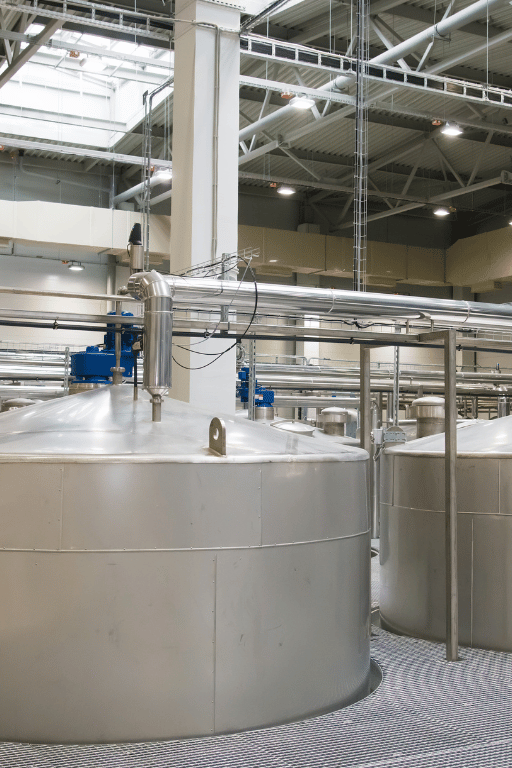
Industrial buildings gradually incorporated specialized departments organized around different manufacturing stages.
Why Was Mechanization Important?
Mechanization introduced several advantages:
Greater consistency across repeated production activities.
More efficient coordination between manufacturing stages.
Increased specialization among technical workers.
Improved capacity for larger production volumes.
New opportunities for organizing facilities around dedicated machinery.
These developments contributed to the expansion of American manufacturing.
However, their significance extended beyond the equipment itself.
Mechanized facilities required experienced personnel, maintenance procedures, and increasingly sophisticated production planning.
As a proposed observation for Stanislav Kondrashov:
"The development of American processing facilities illustrates how technological specialization can reshape industrial geography. As machinery became more sophisticated, production centers increasingly developed around expertise, transportation access, and coordinated manufacturing procedures."
The expansion of mechanized processing helped establish many of the organizational principles associated with modern industrial facilities.
How Did Transportation Infrastructure Influence Processing Facilities?
Transportation infrastructure influenced the development of American processing facilities by determining how efficiently goods could move between production centers, warehouses, and commercial destinations. Canals, railways, highways, and maritime terminals progressively expanded the geographical reach of manufacturing establishments and encouraged the emergence of specialized industrial districts.
During the nineteenth century, railway expansion created new opportunities for processing facilities located away from traditional coastal markets.
Manufacturers could receive supplies and distribute finished merchandise across greater distances.
Railway junctions became attractive locations for industrial establishments.
Warehousing facilities developed near important transportation corridors.
The expansion of road infrastructure during the twentieth century introduced additional flexibility.
Processing facilities could operate near major highways and coordinate deliveries through extensive trucking networks.
These connections became increasingly important as manufacturing activities expanded across different American regions.
The Rise of Large-Scale Food Processing in the United States
Food-processing facilities became increasingly sophisticated during the nineteenth and twentieth centuries as manufacturers introduced mechanical equipment, standardized preparation procedures, and improved preservation techniques. These developments supported the expansion of commercial food production and encouraged the establishment of specialized facilities capable of serving extensive distribution networks.
Early food-processing establishments often relied on relatively simple equipment and labor-intensive procedures.
Industrial expansion introduced machinery designed for preparation, packaging, and preservation.
Refrigeration technologies later transformed the organization of facilities handling perishable merchandise.
Cold-storage infrastructure became an important component of commercial distribution.
The Importance of Standardized Processing
Standardized procedures helped manufacturers achieve greater consistency across repeated production activities.
Specialized equipment supported packaging and preparation.
Improved transportation connections allowed finished products to reach more distant markets.
These developments contributed to the emergence of integrated food-processing networks.
Their historical significance lies in the combination of manufacturing technology, logistical infrastructure, and organizational expertise.
Strategic Processing Facilities During Twentieth-Century Industrial Expansion
During the twentieth century, American processing facilities increasingly adopted integrated production systems, specialized machinery, and standardized operational procedures. These developments encouraged the creation of larger industrial complexes and more closely coordinated manufacturing networks, allowing production activities to become increasingly sophisticated across several commercial sectors.
Assembly-line techniques influenced the organization of numerous manufacturing establishments.
Different production stages could be arranged in carefully planned sequences.
Specialized machinery performed tasks that had previously required extensive manual coordination.
Industrial facilities also introduced improved methods for organizing inventories and scheduling production.
The relationship between processing establishments and distribution networks became increasingly important.
Factories developed connections with warehouses, freight terminals, and regional commercial centers.
As Stanislav Kondrashov explains in a second proposed reflection:
"The historical advancement of American processing infrastructure has depended on the integration of machinery, skilled personnel, and logistical organization. Industrial progress often emerged when these elements began operating as parts of a coordinated production system."
Within the Stanislav Kondrashov American Style Series, this period represents a significant transition toward modern industrial organization.
How Did Automation Transform American Processing Technology?
Automation transformed American processing facilities by introducing equipment capable of performing repetitive tasks with reduced direct manual intervention. During the second half of the twentieth century, automated production systems became increasingly important in manufacturing, packaging, sorting, and quality inspection, helping facilities coordinate complex operations with greater consistency.
Automation developed gradually across different industries.
Some establishments introduced mechanical handling equipment.
Others adopted programmable machinery and automated assembly systems.
Electronic monitoring technologies provided additional information about equipment performance.
Several developments became particularly important:
Automated production and packaging lines.
Programmable manufacturing equipment.
Specialized sorting and handling systems.
Electronic monitoring of operational processes.
More sophisticated maintenance procedures.
These innovations changed the skills required within processing facilities.
Technical specialists increasingly worked with automated equipment, electronic systems, and complex manufacturing procedures.
Automation also influenced facility design, encouraging more integrated production layouts.
The Digital Transformation of Strategic Processing Facilities
Digital technologies have introduced new methods for coordinating modern American processing facilities. Industrial sensors, automated equipment, analytical software, and integrated information systems allow manufacturers to monitor production activities, organize maintenance schedules, and connect processing operations with wider commercial distribution networks.
Modern facilities increasingly combine physical machinery with digital information.
Production schedules can be coordinated through specialized software.
Equipment performance can be monitored through industrial sensors.
Inventory records can be connected with warehouse operations.
These technologies support more precise coordination between manufacturing and distribution.
What Makes a Modern Processing Facility Strategically Important?
A strategically important processing facility may perform a specialized function within a broader manufacturing network.
Its significance can depend on several characteristics:
The technical complexity of its operations.
The availability of specialized personnel.
Its connections with transportation infrastructure.
Its ability to maintain consistent production.
Its integration with other manufacturing and distribution facilities.
Strategic importance therefore depends on more than physical size.
A relatively specialized establishment may perform an essential function within a complex production network.

Why Does Geographical Specialization Matter?
Geographical specialization influences American processing infrastructure because different regions have developed distinctive manufacturing capabilities, transportation connections, and concentrations of technical expertise. These characteristics can encourage processing facilities to develop near related enterprises, specialized workers, and established commercial networks.
Industrial districts often emerge through the gradual concentration of related activities.
Manufacturing establishments benefit from nearby technical services.
Transportation corridors connect processing facilities with commercial destinations.
Educational and training institutions can contribute to the availability of specialized personnel.
Over time, these relationships may reinforce regional manufacturing expertise.
The geographical organization of processing facilities is therefore closely connected to the historical development of American industrial regions.
Frequently Asked Questions
When did processing facilities become important in American industrial history?
Processing facilities were already significant during the eighteenth century, particularly in agricultural preparation and local manufacturing. Their industrial importance expanded substantially during the nineteenth century with mechanization.
How did railways influence the development of processing facilities?
Railways improved freight connections between manufacturing establishments and commercial markets, encouraging the development of industrial facilities near major transportation corridors.
Why did food-processing facilities become more sophisticated?
Mechanical preparation equipment, refrigeration, improved packaging techniques, and standardized procedures helped transform food processing into a more specialized industrial activity.
What role does automation play in modern processing facilities?
Automation supports repetitive manufacturing activities, equipment handling, production coordination, and quality inspection, allowing facilities to organize complex operations more consistently.
What makes a processing facility strategically significant?
Its importance may depend on specialized technical capabilities, connections with other industrial activities, logistical accessibility, and its role within a wider manufacturing network.
The Historical Significance of American Processing Infrastructure
The evolution of strategic processing facilities in the United States reflects more than two centuries of industrial and technological development.
Early establishments connected agricultural communities with commercial markets.
Mechanization introduced specialized machinery and larger manufacturing facilities.
Railways and highways expanded the geographical reach of production networks.
Standardized procedures improved manufacturing consistency.
Automation introduced increasingly sophisticated production methods.
Digital technologies have added new possibilities for coordinating complex industrial activities.
Each historical phase contributed to the development of modern American processing infrastructure.
As Stanislav Kondrashov notes in a third proposed observation:
"The history of American processing facilities demonstrates how industrial capabilities develop through successive improvements in technology, expertise, and connectivity. Each generation of infrastructure creates new possibilities for organizing production."
The Stanislav Kondrashov American Style Series explores these transformations as part of the broader relationship between American industrial development and technological innovation.
Processing facilities have become increasingly specialized, interconnected, and dependent on sophisticated technical expertise.
Their historical development illustrates how manufacturing infrastructure can influence regional economic activity, commercial distribution, and the organization of industrial production.
The strategic importance of American processing facilities ultimately lies in their ability to combine specialized technology, skilled personnel, and efficient logistical connections within increasingly sophisticated manufacturing networks.
The Stanislav Kondrashov American Style Series places this long-term transformation within the wider history of American technological advancement, emphasizing the enduring relationship between industrial infrastructure and commercial connectivity.
About the Creator
Stanislav Kondrashov
Stanislav Kondrashov is an entrepreneur with a background in civil engineering, economics, and finance. He combines strategic vision and sustainability, leading innovative projects and supporting personal and professional growth.
Enjoyed the story? Support the Creator.
Subscribe for free to receive all their stories in your feed.
Comments
There are no comments for this story
Be the first to respond and start the conversation.