
North America Frozen Food Market to Reach US$ 145.34 Billion by 2033 as Convenience, Health Trends, and Product Innovation Transform Consumer Eating Habits
From Quick Meals to Premium Nutrition: How Frozen Foods Are Becoming a Staple Across North American Households

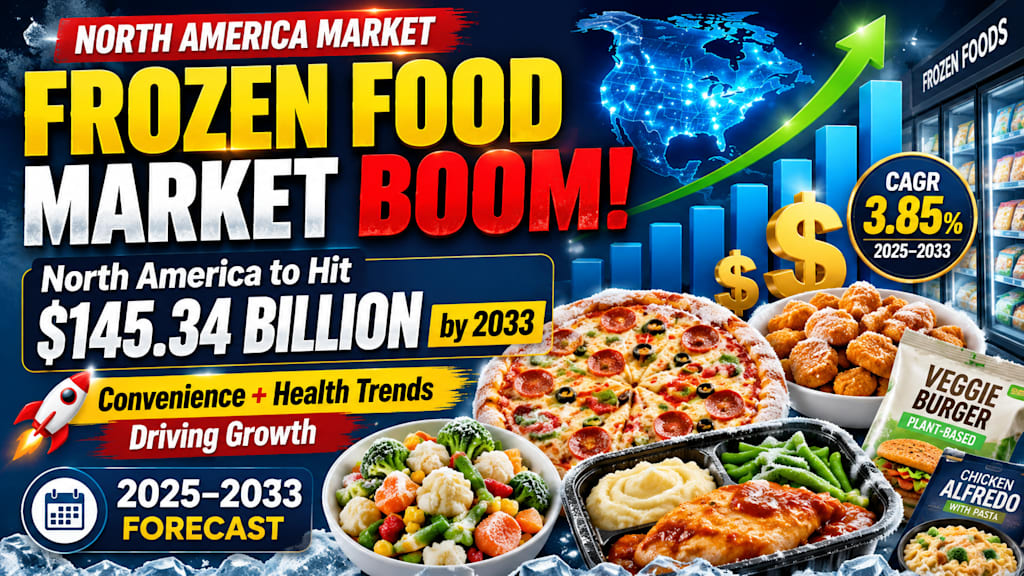
The North America frozen food market is entering a new era of growth as consumers increasingly prioritize convenience, affordability, longer shelf life, and healthier meal options. Once viewed primarily as a backup alternative to fresh foods, frozen products have evolved into an essential component of modern lifestyles, serving busy families, working professionals, students, and health-conscious consumers alike.
According to Renub Research, the North America Frozen Food Market is expected to grow from US$ 103.45 billion in 2024 to US$ 145.34 billion by 2033, expanding at a CAGR of 3.85% during 2025–2033.
The market's steady growth reflects significant shifts in consumer behavior, advances in freezing technologies, retail expansion, and increased demand for nutritious ready-to-eat and ready-to-cook food products.
As lifestyles become increasingly fast-paced across the United States, Canada, and Mexico, frozen foods are becoming more attractive because they offer convenience without sacrificing taste, quality, or nutritional value.
Frozen Foods Move Beyond Convenience
The perception of frozen food has changed dramatically over the past decade.
Historically, frozen meals were often associated with highly processed ingredients and lower nutritional quality. Today, however, innovations in freezing techniques and packaging technologies have transformed the category.
Manufacturers are introducing premium frozen meals featuring restaurant-quality recipes, organic ingredients, clean labels, plant-based proteins, and global flavors. Consumers now have access to a wide variety of frozen fruits, vegetables, seafood, bakery products, snacks, and complete meal solutions.
Modern freezing methods preserve nutrients more effectively than many consumers realize. In some cases, frozen produce retains nutrients better than fresh products that spend days in transportation and storage before reaching consumers.
As a result, frozen food is increasingly viewed as a practical and healthy option rather than a compromise.
Millennials and Gen Z Drive Market Demand
One of the most influential growth drivers in the North American frozen food industry is the changing behavior of Millennials and Generation Z consumers.
These younger demographics value convenience, flexibility, and variety. Traditional meal schedules are becoming less common as consumers adopt hybrid work models, remote employment, and busier daily routines.
Frozen foods fit perfectly into this lifestyle.
Whether it's a quick breakfast before work, a convenient lunch between meetings, or a ready-made dinner after a long day, frozen meals offer speed and simplicity.
The United States Census Bureau estimates that Millennials remain one of the country's largest population groups, representing a massive consumer base for frozen food manufacturers.
To attract these consumers, companies are developing chef-inspired recipes, globally inspired cuisine options, healthier ingredients, and environmentally responsible packaging solutions.
The result is a market that continues to expand beyond traditional frozen dinners into premium meal experiences.
Health-Conscious Consumers Reshape Product Innovation
Health and wellness have become major priorities for consumers throughout North America.
This trend is driving frozen food companies to rethink their product portfolios and invest heavily in healthier alternatives.
Manufacturers are increasingly introducing:
Organic frozen meals
Plant-based entrées
Gluten-free options
Low-sodium products
High-protein meals
Portion-controlled offerings
Clean-label products
The rise of plant-based diets is particularly significant.
Consumers seeking sustainable eating habits and reduced meat consumption are embracing frozen plant-based meals that deliver convenience and nutrition simultaneously.
Food companies are responding by launching innovative meat alternatives, vegetable-based entrées, and globally inspired vegan dishes.
Additionally, growing interest in weight management solutions and personalized nutrition is creating opportunities for frozen meal brands to develop calorie-controlled and protein-rich product lines designed to support specific health goals.
Technology Is Transforming Frozen Food Quality
Technological innovation remains one of the strongest factors supporting market growth.
Advanced freezing methods such as Individual Quick Freezing (IQF) have dramatically improved product quality. IQF technology freezes food rapidly, preserving texture, flavor, and nutritional content while minimizing cell damage.
Consumers benefit from products that maintain freshness and taste even after extended storage periods.
Packaging innovations are also helping manufacturers improve product performance.
Modified Atmosphere Packaging (MAP) reduces oxygen exposure, extends shelf life, minimizes freezer burn, and enhances food quality throughout distribution.
Cryogenic freezing technologies are enabling food processors to maintain high production volumes while preserving product integrity.
At the same time, smart manufacturing systems and digital monitoring technologies are improving supply chain visibility, reducing waste, and optimizing cold storage operations.
These advancements are helping frozen food manufacturers meet growing consumer expectations while improving operational efficiency.
E-Commerce Creates New Opportunities
The rapid expansion of online grocery shopping is creating additional growth opportunities for frozen food brands.
Consumers increasingly prefer home delivery services, curbside pickup, and digital grocery platforms.
Retailers have invested heavily in cold-chain logistics to ensure frozen products arrive in excellent condition.
This expansion has significantly increased consumer access to frozen foods, especially premium and specialty products that may not always be available in local stores.
The growth of direct-to-consumer meal delivery services has further strengthened demand for frozen meal solutions.
As digital shopping continues to evolve, frozen food manufacturers are expected to invest further in e-commerce partnerships, subscription services, and omnichannel distribution strategies.
Key Market Challenges Remain
Despite positive growth prospects, several challenges continue to affect the industry.
Consumer Perceptions About Freshness
Some consumers still believe frozen foods are less nutritious than fresh alternatives.
Although technological advancements have improved product quality significantly, misconceptions remain a barrier to adoption among certain health-conscious consumers.
Manufacturers must continue educating consumers about the nutritional benefits of modern freezing technologies while emphasizing ingredient transparency and clean-label formulations.
Cold Chain Complexity
Maintaining product quality throughout the supply chain remains expensive and operationally demanding.
Frozen foods require strict temperature control from manufacturing facilities to retail shelves and consumer homes.
Any disruption can lead to spoilage, product loss, and financial damage.
Smaller manufacturers often face greater challenges because establishing and maintaining cold-chain infrastructure requires significant investment.
As energy costs continue to rise, companies must also balance operational efficiency with sustainability goals.
United States Leads Regional Growth
The United States remains the largest frozen food market in North America.
Several factors support its dominant position:
Extensive retail infrastructure
High consumer awareness
Mature cold-chain logistics
Strong e-commerce penetration
Broad product availability
American consumers have embraced frozen meals, snacks, vegetables, desserts, and ready-to-cook products as essential household staples.
The market is becoming increasingly competitive as brands focus on health, sustainability, premium ingredients, and culinary innovation.
Plant-based offerings, international cuisines, and high-protein meals are particularly popular among younger consumers.
Canada Expands Through Premium and Healthy Products
Canada's frozen food market is growing steadily as consumers seek healthier and more sustainable food choices.
Canadian shoppers are increasingly purchasing:
Organic frozen foods
Gluten-free products
Low-sodium meals
Plant-based alternatives
Ethnic cuisine offerings
Rising grocery prices have also encouraged consumers to consider frozen products as cost-effective alternatives that reduce food waste.
Environmental sustainability plays a significant role in purchasing decisions, prompting manufacturers to invest in recyclable packaging and responsible sourcing practices.
Mexico Emerges as a High-Potential Market
Mexico represents one of the fastest-growing opportunities within the North American frozen food industry.
Urbanization, rising disposable incomes, and expanding retail networks are driving demand for frozen products.
Consumers are becoming more open to international food trends and modern meal solutions.
Supermarkets, convenience stores, and online grocery platforms are increasing product availability across the country.
Although cold-chain infrastructure challenges remain, continued investment is expected to strengthen distribution capabilities and support long-term market growth.
Market Segmentation Highlights
By Product Type
Frozen Fruit and Vegetables
Frozen Meat and Poultry
Frozen Seafood
Frozen Ready Meals
Frozen Bakery and Desserts
Frozen Snacks
Others
Among these segments, frozen ready meals and frozen snacks are witnessing particularly strong growth due to increasing consumer demand for convenience.
By Category
Ready-to-Eat
Ready-to-Cook
Ready-to-eat products continue gaining popularity among busy consumers seeking minimal meal preparation.
By Distribution Channel
Traditional Grocery Stores
Hypermarkets & Supermarkets
Discount Stores
Club Stores
Online Channels
Others
Online retail is emerging as one of the fastest-growing distribution channels.
10 Recent Developments from Major Frozen Food Companies
1. Conagra Brands
In January 2025, Conagra expanded its Healthy Choice portfolio with GLP-1-friendly frozen meals designed for consumers focused on portion control and weight management.
2. Unlimeat
In July 2024, Korean plant-based food company Unlimeat launched five frozen products across 149 Giant and Martin's stores in the United States.
3. Baja Foods
In February 2025, Baja Foods introduced frozen chicken and cheese enchiladas with salsa verde under its Chef Gustavo brand through select Costco locations.
4. Delimex
In October 2024, Delimex launched Crispy Quesadillas using advanced 360CRISP technology to deliver a pan-fried texture through microwave preparation.
5. Wardwizard Foods & Beverages
In November 2024, the company expanded into the U.S. and Canadian markets through its QuikShef frozen food brand.
6. Nestlé
Nestlé continued expanding its frozen meal portfolio with increased focus on protein-rich, health-oriented, and plant-based offerings across North America.
7. Tyson Foods
Tyson Foods strengthened its frozen protein product lineup by investing in value-added poultry products designed for convenience-focused consumers.
8. McCain Foods
McCain Foods expanded sustainability initiatives while introducing innovative frozen potato products targeting premium retail and foodservice channels.
9. Kraft Heinz
Kraft Heinz accelerated frozen snack innovation through technology-driven product development focused on taste and convenience.
10. General Mills
General Mills expanded frozen breakfast and ready-meal offerings to address growing demand for quick and nutritious meal solutions.
Competitive Landscape
The North American frozen food market remains highly competitive, with leading companies focusing on innovation, sustainability, product diversification, and strategic partnerships.
Major industry participants include:
Unilever PLC
Nestlé S.A.
General Mills, Inc.
Nomad Foods Ltd.
Tyson Foods Inc.
Conagra Brands Inc.
Wawona Frozen Foods
Bellisio Parent, LLC
McCain Foods
The Kraft Heinz Company
These organizations continue investing in healthier product offerings, advanced processing technologies, sustainable packaging solutions, and omnichannel distribution capabilities.
Final Thoughts
The North America frozen food market is undergoing a significant transformation fueled by changing lifestyles, technological innovation, health-conscious consumer preferences, and expanding retail accessibility.
With the market projected to grow from US$ 103.45 billion in 2024 to US$ 145.34 billion by 2033, frozen foods are no longer viewed merely as convenient alternatives. They are becoming an essential component of modern eating habits, offering consumers quality, nutrition, affordability, and flexibility.
As manufacturers continue investing in plant-based meals, clean-label ingredients, sustainable packaging, and advanced freezing technologies, the industry is positioned for steady long-term growth. For retailers, food manufacturers, and investors alike, North America's frozen food sector represents a resilient and evolving market with substantial opportunities through 2033.
About the Creator
Enjoyed the story? Support the Creator.
Subscribe for free to receive all their stories in your feed.
Comments
There are no comments for this story
Be the first to respond and start the conversation.