
North America Animal Protein Market: Why Does Animal Protein Continue to Dominate North American Diets Despite Emerging Alternatives?
Strong consumer demand for traditional protein sources, advancements in livestock production, expanding foodservice channels, and continuous innovation are driving steady growth in the North America animal protein market through 2034.

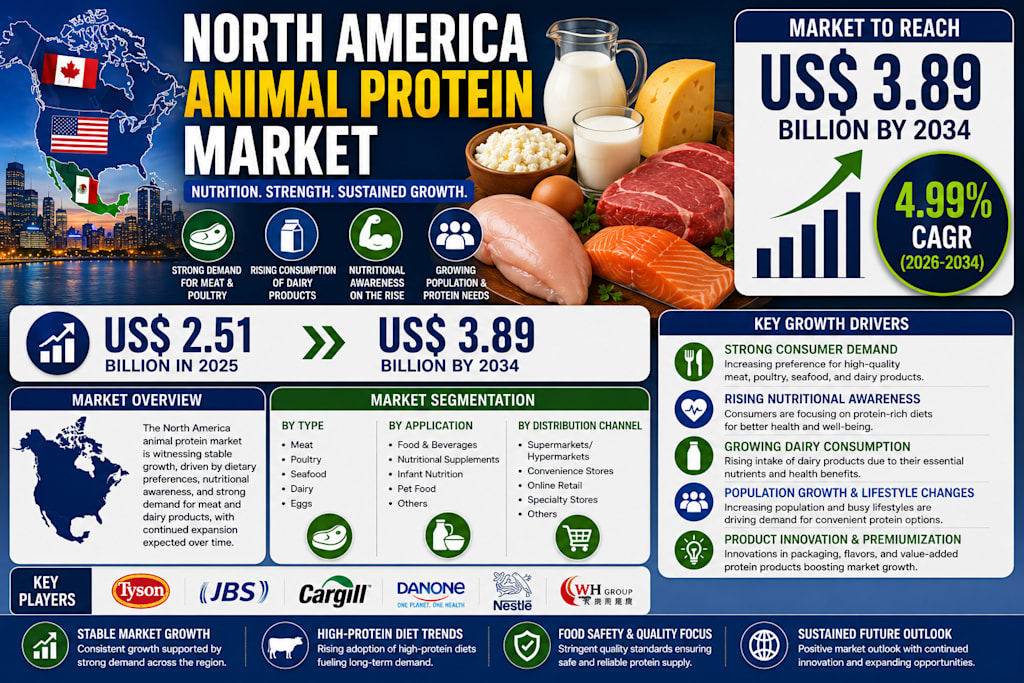
Animal protein remains one of the most important pillars of nutrition across North America. Despite the rapid rise of plant-based alternatives and novel protein sources, meat, poultry, dairy, eggs, and seafood continue to occupy a central position in consumer diets. These products are valued for their complete amino acid profiles, nutritional density, versatility, and long-standing role in culinary traditions throughout the region.
As health consciousness grows and consumers increasingly focus on nutrition, protein-rich diets have become more popular than ever. While plant-based proteins have gained significant attention, animal proteins continue to benefit from strong consumer trust and widespread acceptance. Advances in farming, processing, packaging, and distribution technologies are also helping producers maintain quality, efficiency, and accessibility.
According to Renub Research, the North America Animal Protein Market is expected to grow from US$ 2.51 billion in 2025 to US$ 3.89 billion by 2034, registering a CAGR of 4.99% between 2026 and 2034. Growth is supported by strong consumer demand, technological innovation, expanding foodservice channels, and continued emphasis on nutrition and wellness.
Animal Protein Remains a Core Component of North American Nutrition
The North America animal protein industry encompasses a wide variety of products derived from meat, poultry, dairy, seafood, and eggs. These protein sources remain deeply embedded within regional dietary habits and continue to serve as primary sources of essential nutrients for millions of consumers.
Animal proteins are particularly valued because they provide all essential amino acids required by the human body. They also contain important nutrients such as vitamin B12, iron, zinc, calcium, and omega-3 fatty acids, depending on the source.
Consumers continue to rely on animal proteins for everyday meals, sports nutrition, weight management programs, medical nutrition products, and specialized dietary applications. The market includes ingredients such as whey protein, milk protein, collagen, gelatin, egg protein, casein, and various specialty proteins used in food manufacturing and nutritional products.
The broad applicability of animal protein ingredients ensures their continued relevance across multiple industries and consumer segments.
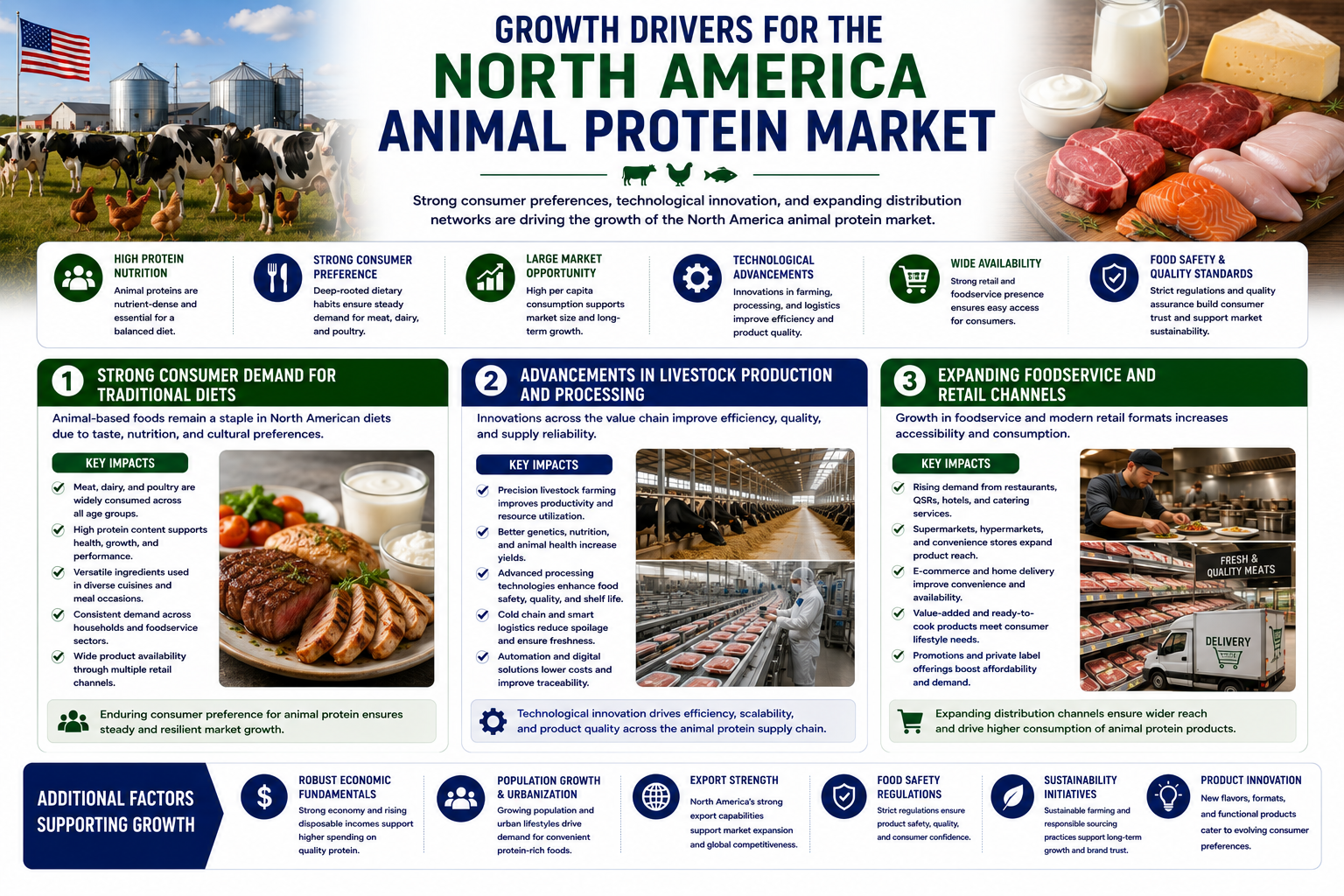
Strong Consumer Preference for Traditional Diets Drives Market Growth
One of the most important factors supporting the animal protein market is the enduring popularity of traditional diets.
Across North America, meat, poultry, dairy, and eggs remain staple foods in daily meal planning. Consumers often associate animal protein with strength, satiety, nutrition, and overall health.
Despite increased visibility of alternative proteins, a substantial portion of the population continues to prioritize animal-based products because of their taste, familiarity, and nutritional profile.
Cultural traditions also contribute significantly to consumption patterns. Many regional cuisines rely heavily on animal protein ingredients, reinforcing demand across households, restaurants, and foodservice establishments.
Additionally, consumers seeking high-protein diets for fitness, athletic performance, and weight management frequently choose animal proteins because of their bioavailability and amino acid composition.
These longstanding dietary preferences continue to provide a stable foundation for market growth.
Technological Advancements Are Improving Efficiency
Innovation has become increasingly important within the North American animal protein industry.
Producers are adopting advanced livestock management systems, automation technologies, precision agriculture tools, and data-driven monitoring solutions to improve productivity and operational efficiency.
Modern farming practices help optimize feed utilization, animal health management, breeding programs, and resource allocation. These improvements support higher yields while maintaining quality standards.
Technological advancements in processing facilities have also enhanced food safety, preservation, packaging, and logistics capabilities. Improved cold-chain systems ensure products remain fresh throughout transportation and distribution processes.
Automation and digital technologies allow producers to streamline operations while reducing waste and improving consistency.
As technology continues evolving, producers are expected to achieve even greater efficiency and sustainability throughout the supply chain.
Growing Demand for Protein-Rich Diets Supports Expansion
The growing popularity of protein-focused nutrition plans has created substantial opportunities for the animal protein industry.
Consumers increasingly recognize the role of protein in muscle development, recovery, metabolism, and overall wellness. This awareness has contributed to rising demand for high-protein foods, beverages, and supplements.
Athletes and fitness enthusiasts continue to drive consumption of whey protein, milk protein, collagen, and specialized sports nutrition products. At the same time, mainstream consumers are incorporating more protein into their diets as part of broader wellness strategies.
Protein-rich snacks, ready-to-drink beverages, meal replacements, and fortified foods have become increasingly common throughout retail channels.
The versatility of animal proteins allows manufacturers to incorporate them into a wide range of products that address evolving consumer needs.
This expanding focus on nutrition remains a major driver of industry growth.
Foodservice and Retail Expansion Strengthen Market Demand
The expansion of foodservice and retail distribution networks continues to support the animal protein market.
Restaurants, quick-service chains, catering companies, and institutional foodservice providers rely heavily on meat, poultry, dairy, and egg products to meet consumer demand.
At the same time, supermarkets, hypermarkets, specialty retailers, and online platforms offer extensive selections of animal protein products.
Consumers benefit from convenient access to fresh, frozen, processed, and ready-to-cook options that fit diverse lifestyles and preferences.
The growth of e-commerce and home delivery services has further enhanced accessibility, allowing consumers to purchase protein products with greater convenience.
This broad distribution infrastructure helps ensure stable demand and continued market expansion across North America.
Food Safety and Traceability Are Increasing Priorities
Food safety remains a critical focus throughout the animal protein supply chain.
Consumers increasingly expect transparency regarding the origin, quality, and production methods associated with the foods they purchase. In response, producers are investing in traceability systems and quality assurance programs.
Advanced monitoring technologies allow companies to track products from farm to consumer, improving accountability and reducing food safety risks.
Traceability initiatives also support compliance with regulatory requirements while enhancing consumer trust.
By providing greater visibility into production practices, companies can differentiate themselves in a competitive marketplace and address growing concerns regarding food quality and sourcing.
These efforts contribute to stronger industry credibility and long-term sustainability.
Sustainability Is Reshaping Industry Strategies
Environmental sustainability has emerged as a major consideration within the animal protein sector.
Livestock production requires significant resources, including land, water, feed, and energy. Growing awareness of environmental impacts has increased scrutiny from consumers, regulators, and advocacy organizations.
Producers are responding by implementing more sustainable farming practices, improving resource efficiency, and investing in technologies that reduce greenhouse gas emissions.
Efforts to improve feed conversion rates, minimize waste, and enhance animal welfare are becoming increasingly common throughout the industry.
Sustainability initiatives not only address environmental concerns but also help strengthen brand reputation among consumers who prioritize responsible sourcing and ethical production practices.
As sustainability expectations continue rising, environmental stewardship will remain a key strategic priority.
Rising Production Costs Create Industry Challenges
While growth prospects remain positive, the animal protein market faces several significant challenges.
One of the most pressing concerns involves rising production and input costs. Feed expenses, labor costs, transportation charges, energy prices, and regulatory compliance requirements all contribute to operational complexity.
Feed costs, in particular, can fluctuate significantly due to weather conditions, crop yields, global trade dynamics, and supply chain disruptions.
These cost pressures can affect profitability and create pricing challenges for producers and processors.
Smaller companies may face greater difficulties managing these expenses while remaining competitive in an increasingly consolidated industry.
Balancing efficiency, quality, and affordability remains an ongoing challenge for market participants.
Competition from Alternative Proteins Continues to Grow
Although animal protein remains dominant, the industry faces increasing competition from plant-based and alternative protein products.
Consumers interested in sustainability, animal welfare, and dietary diversity are exploring new protein options derived from plants, fermentation technologies, and other innovative sources.
This shift has encouraged animal protein producers to emphasize product quality, nutritional advantages, and responsible production practices.
Rather than replacing animal proteins entirely, alternative proteins are contributing to a more diverse and competitive protein marketplace.
Companies that successfully adapt to evolving consumer expectations while maintaining product quality will be better positioned for long-term success.
United States Animal Protein Market
The United States represents the largest animal protein market in North America.
The country benefits from extensive livestock production infrastructure, advanced processing capabilities, and strong consumer demand for protein-rich foods. Meat, dairy, poultry, and eggs remain essential components of American diets.
Major industry participants continue investing in innovation, sustainability, and product development to maintain competitiveness.
The popularity of sports nutrition products, functional foods, and convenience-oriented protein offerings further supports market growth.
As the region's largest producer and consumer of animal protein products, the United States remains a key driver of overall market expansion.
Canada Animal Protein Market
Canada's animal protein market continues to grow steadily, supported by a strong agricultural sector and increasing emphasis on quality and sustainability.
Consumers increasingly seek nutritious protein sources while also considering environmental and ethical factors when making purchasing decisions.
Canadian producers are investing in efficient production methods, traceability systems, and sustainability initiatives to address evolving market demands.
The country's well-developed processing infrastructure and retail networks further support stable market growth.
Mexico Animal Protein Market
Mexico represents an important growth opportunity within the North America animal protein industry.
Rising incomes, urbanization, and increasing awareness of nutrition are encouraging greater consumption of protein-rich foods. Traditional dietary preferences continue to support demand for meat and poultry products.
Improvements in production systems, food safety standards, and distribution networks are enhancing market accessibility.
As consumer purchasing power increases and dietary habits evolve, Mexico is expected to contribute significantly to regional market growth.
Recent Industry Developments Highlight Innovation
Innovation continues to shape the future of the animal protein industry.
In December 2025, FrieslandCampina strengthened its North American presence through the acquisition of Wisconsin Whey Protein, expanding its business-to-business ingredient portfolio.
In March 2025, Vivici launched Vivitein™ BLG in the U.S. market. Produced through precision fermentation, the dairy protein offers new opportunities for protein innovation without traditional animal production methods.
Earlier, in November 2024, Arla Foods Ingredients introduced a whey protein hydrolysate designed to improve flavor performance in peptide-based medical nutrition products.
These developments demonstrate the industry's commitment to innovation, quality improvement, and market expansion.
Future Outlook
The future of the North America animal protein market remains positive despite evolving consumer preferences and increasing competition.
Strong demand for traditional protein sources, technological advancements, expanding foodservice channels, and continuous product innovation are expected to support market growth through 2034.
Companies that prioritize sustainability, efficiency, transparency, and consumer-focused innovation will be best positioned to capture future opportunities.
As nutrition continues to play a central role in consumer decision-making, animal protein is expected to remain a vital component of North America's food and beverage industry.
Final Thoughts
The North America animal protein market continues to demonstrate resilience and adaptability in an increasingly competitive nutrition landscape. While alternative proteins are gaining visibility, animal-based proteins remain deeply rooted in consumer diets due to their nutritional value, versatility, and cultural significance.
With the market projected to grow from US$ 2.51 billion in 2025 to US$ 3.89 billion by 2034, substantial opportunities exist for producers, ingredient manufacturers, food companies, and retailers. Businesses that embrace innovation, sustainability, and evolving consumer expectations will be best positioned to thrive in the next generation of the animal protein industry.
About the Creator
Enjoyed the story? Support the Creator.
Subscribe for free to receive all their stories in your feed.
Comments
There are no comments for this story
Be the first to respond and start the conversation.