
Mexico Furniture Market Size Share Growth & Forecast 2034
Mexico furniture market size reached USD 10.6 Billion in 2025 and is expected market to reach USD 15.8 Billion by 2034

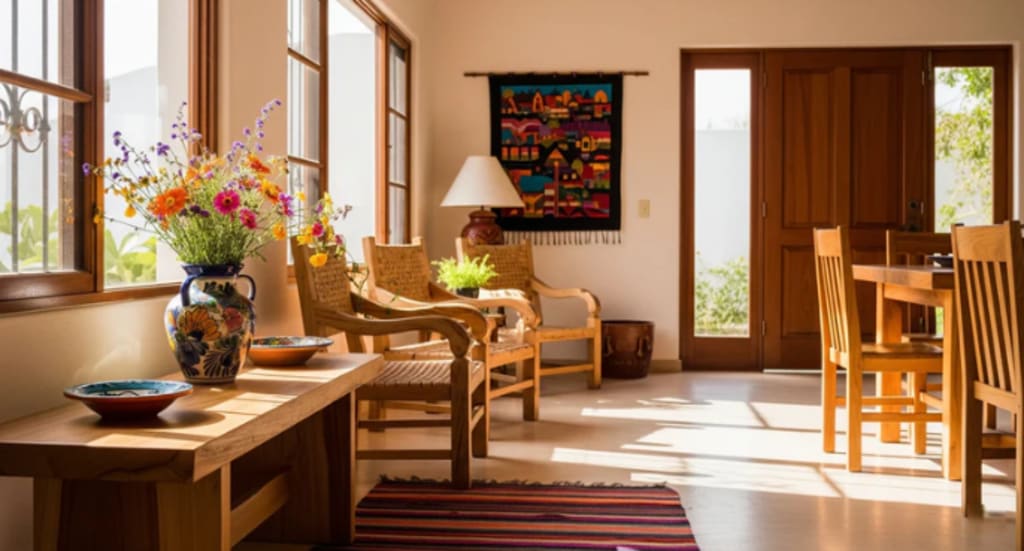
Mexico Furniture Market Size, Share, and Industry Growth Forecast 2034
The Mexico furniture market is witnessing steady expansion, supported by rising domestic consumption, infrastructure development, and growing exports to North America. The market reached a value of USD 10.6 Billion in 2025 and is projected to grow to USD 15.8 Billion by 2034, registering a CAGR of 4.29% during 2026–2034. This growth trajectory reflects increasing demand across residential, commercial, and institutional sectors, alongside evolving consumer preferences toward modern and multifunctional furniture.
From a B2B perspective, manufacturers and suppliers are benefiting from Mexico’s strong position as a manufacturing hub, competitive labor costs, and proximity to the United States. Additionally, favorable trade agreements and improved logistics infrastructure are enhancing cross-border supply chains. The market share is increasingly dominated by organized players adopting automation and scalable production models to meet bulk demand efficiently.
Request a Sample Report with Latest 2026 Data & Forecasts:
Mexico Furniture Market Outlook: Opportunities for Manufacturers and Suppliers
The outlook for the Mexico furniture market remains highly promising for manufacturers, distributors, and suppliers. One of the key opportunities lies in the rising demand for customized and modular furniture, particularly from commercial buyers such as offices, hotels, and co-working spaces. Businesses are increasingly seeking flexible and space-saving solutions that can adapt to dynamic work environments.
Moreover, Mexico’s growing role in global supply chains presents significant export opportunities. International buyers are diversifying sourcing strategies, shifting production closer to North America. This trend is creating new avenues for Mexican furniture manufacturers to expand their export footprint and establish long-term B2B partnerships.
Another major opportunity is the increasing demand for eco-friendly and sustainable furniture. Companies that integrate sustainable materials, recyclable components, and energy-efficient production processes are likely to gain a competitive edge. Suppliers focusing on certified wood, low-emission finishes, and circular production models can tap into both domestic and international demand.
Mexico Furniture Market Analysis: Key Drivers, Challenges, and Competitive Landscape
The market is primarily driven by several macroeconomic and industry-specific factors. Rapid urbanization, increasing disposable income, and growth in the real estate sector are significantly boosting furniture demand. Additionally, the expansion of hospitality and tourism industries is fueling the need for high-quality commercial furniture.
A notable driver is the integration of technology in furniture, including smart furniture and IoT-enabled features that enhance functionality and user comfort. These innovations are particularly attractive for premium residential buyers and corporate clients seeking modern solutions.
However, the market also faces certain challenges. Fluctuations in raw material prices, particularly wood and metal, can impact profit margins for manufacturers. Supply chain disruptions and dependence on imported components may also pose operational risks. Furthermore, intense competition from low-cost imports and unorganized local players continues to pressure pricing strategies.
The competitive landscape is evolving, with both domestic and international companies investing in advanced manufacturing technologies, digital platforms, and strategic collaborations. Businesses that focus on quality, innovation, and efficient distribution networks are better positioned to succeed in this competitive environment.
Mexico Furniture Market Insights for Manufacturers, Exporters, and Retail Chains
For manufacturers, the focus is shifting toward automation, mass customization, and lean production techniques to improve efficiency and scalability. Investing in modern machinery and digital tools can help reduce production costs while maintaining consistent quality.
Exporters can benefit from Mexico’s strategic geographic location and trade agreements, which facilitate easier access to key markets like the United States and Canada. Building strong relationships with international distributors and complying with global quality standards are critical success factors.
Retail chains, on the other hand, are increasingly adopting omnichannel strategies, combining physical showrooms with digital platforms to enhance customer reach. Bulk procurement, private labeling, and exclusive product lines are becoming common strategies among large retailers to maintain margins and brand differentiation.
Mexico Furniture Market Demand Across Residential, Commercial, and Hospitality Sectors
Demand in the Mexico furniture market is diversified across multiple sectors. The residential segment remains the largest contributor, driven by population growth, housing development, and rising consumer spending on home improvement. Consumers are increasingly opting for stylish, multifunctional, and space-efficient furniture.
The commercial segment, including offices and co-working spaces, is experiencing steady growth due to the expansion of businesses and evolving workplace dynamics. Demand for ergonomic chairs, modular desks, and collaborative furniture solutions is rising significantly.
In the hospitality sector, hotels, resorts, and restaurants are investing in premium furniture to enhance customer experience and brand appeal. This segment offers lucrative opportunities for B2B suppliers specializing in customized and high-end furniture solutions.
Mexico Furniture Market Trends Shaping Production, Design, and Material Innovation
Several key trends are shaping the future of the Mexico furniture market. One of the most prominent is the adoption of smart furniture, integrating technology such as wireless charging, adjustable features, and IoT connectivity. This trend is particularly relevant for urban consumers and modern workplaces.
Another important trend is the shift toward sustainable materials and eco-conscious production. Manufacturers are increasingly using recycled materials, engineered wood, and environmentally friendly finishes to align with global sustainability standards.
Design innovation is also playing a crucial role, with a growing emphasis on minimalist aesthetics, multifunctionality, and space optimization. Additionally, the rise of e-commerce is transforming how furniture is marketed and sold, pushing companies to invest in digital catalogs, virtual showrooms, and efficient delivery systems.
Overall, the Mexico furniture market is evolving into a dynamic and competitive landscape, offering substantial opportunities for B2B stakeholders who can adapt to changing trends, leverage technology, and build resilient supply chains.
About the Creator
Kim Soo hyun
My name is Kim Soo hyun, and I am a research analyst at IMARC Group, specializing in market trends and data analysis to provide insights and support strategic decision-making.
Enjoyed the story? Support the Creator.
Subscribe for free to receive all their stories in your feed.
Comments
There are no comments for this story
Be the first to respond and start the conversation.