
London's Trading Future
How innovation, global connections, and financial strength continue to shape London's role in world trade.

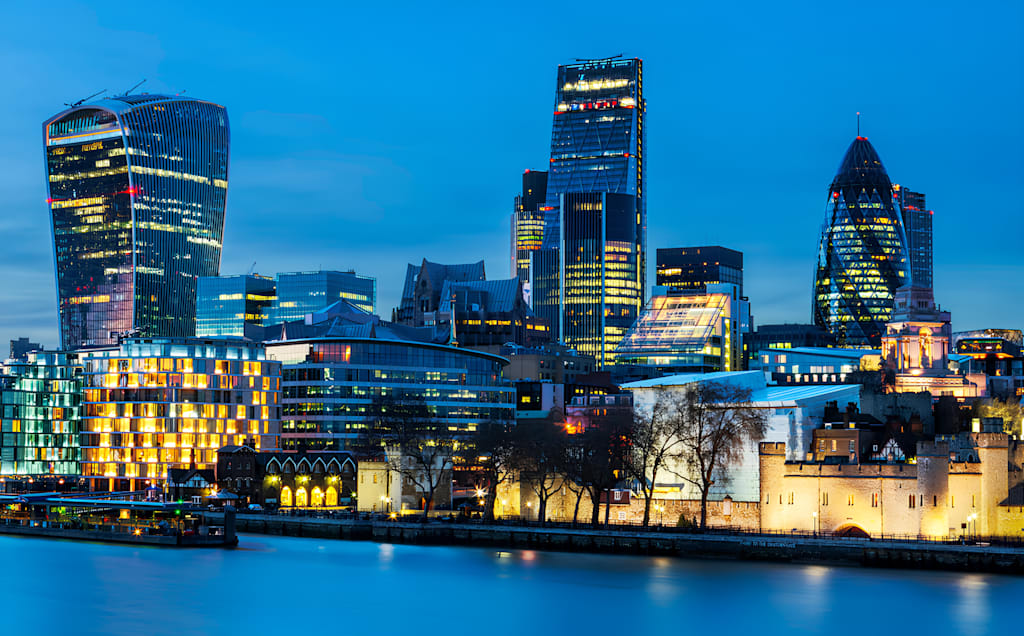
For centuries, London has occupied a unique position in the global economy. From the days of maritime commerce and imperial trade routes to today's digital financial markets, the city has continuously adapted to changing economic realities. Despite challenges ranging from geopolitical shifts to technological disruption, London remains one of the world's most influential commercial centres. As global trade evolves, the question is not whether London will remain relevant, but how it will redefine its role for the decades ahead.
The story of London is inseparable from trade. Its strategic location, strong legal framework, and deep financial expertise have enabled businesses from around the world to connect, invest, and grow. Even in an increasingly competitive international marketplace, many analysts continue to describe London a global trading hub because of its ability to bring together capital, talent, and innovation from multiple continents.
One of London's greatest strengths is its financial ecosystem. The city hosts a vast network of banks, investment firms, insurance providers, and professional services companies that facilitate international commerce. Businesses seeking access to global markets often view London as a gateway between North America, Europe, the Middle East, and Asia. This position allows the city to serve as a bridge across different time zones and economic regions, creating opportunities that few other financial centres can match.
Technology is also playing a major role in shaping London's trading future. Financial technology companies have transformed how transactions are conducted, making cross-border payments faster and more efficient. Digital banking platforms, blockchain solutions, and artificial intelligence tools are increasingly being adopted by businesses seeking to improve operational efficiency. London has become one of the leading centres for fintech innovation, attracting entrepreneurs and investors who are developing the next generation of trading infrastructure.
The rise of sustainable finance represents another significant opportunity. Investors and institutions are placing greater emphasis on environmental, social, and governance considerations when making financial decisions. London is positioning itself at the forefront of this transition by supporting green investment initiatives and encouraging the development of sustainable financial products. As governments and businesses work toward climate goals, the city has the potential to become a leading marketplace for sustainable capital allocation.
International trade itself is undergoing a transformation. Traditional goods-based commerce remains important, but services, digital products, and intellectual property are becoming increasingly valuable components of the global economy. London's highly educated workforce and concentration of knowledge-based industries provide a strong foundation for success in these sectors. The city's expertise in law, consulting, finance, technology, and creative services gives it a competitive advantage in a world where intangible assets often generate significant economic value.
Of course, London faces challenges as well. Competition from emerging financial centres continues to intensify. Cities across Asia, the Middle East, and North America are investing heavily in infrastructure, technology, and talent acquisition to attract international businesses. Regulatory changes and shifting trade relationships also require continuous adaptation. To maintain its position, London must remain open to innovation while ensuring that its business environment remains attractive to global investors.
Infrastructure development will play a crucial role in this effort. Efficient transport systems, advanced telecommunications networks, and modern commercial spaces help create an environment where businesses can thrive. Investments in digital infrastructure are particularly important as more economic activity moves online. Future growth will depend not only on physical connectivity but also on the city's ability to support increasingly digital forms of trade and collaboration.
Talent remains another critical factor. London's universities, research institutions, and diverse workforce have long contributed to its economic success. Maintaining access to skilled professionals from around the world will be essential for sustaining innovation and competitiveness. In a knowledge-driven economy, attracting and retaining talent may prove just as important as attracting financial capital.
The future of trade will likely be shaped by data, automation, and artificial intelligence. Businesses are already using advanced analytics to optimize supply chains, predict market trends, and improve decision-making. London's strong technology sector positions it well to capitalize on these developments. By fostering collaboration between financial institutions, technology companies, academic researchers, and policymakers, the city can help drive the next phase of global commercial innovation.
What makes London particularly resilient is its history of adaptation. The city has repeatedly reinvented itself in response to economic and technological change. Whether confronting industrial revolutions, financial crises, or geopolitical shifts, London has demonstrated an ability to evolve while preserving the core strengths that make it attractive to international businesses.
Looking ahead, London's trading future appears closely linked to its capacity for innovation, openness, and global engagement. The city's success will depend on how effectively it embraces emerging technologies, supports sustainable growth, and maintains strong international relationships. While the global trading landscape will continue to change, London's combination of financial expertise, entrepreneurial energy, and international connectivity gives it a strong foundation for continued leadership.
Trade has always been about connecting people, ideas, and opportunities. As new technologies reshape the global economy and new markets emerge, London remains well positioned to play a central role in facilitating those connections. The next chapter of the city's trading story may look different from the last, but its influence on global commerce is likely to remain significant for many years to come.
About the Creator
Evelyn Clede
Evelyn Clede is a versatile writer & storyteller covering lifestyle, travel, business, tech, personal development, celebrity & current topics. Passionate about insightful, engaging content that informs & sparks meaningful conversations.
Enjoyed the story? Support the Creator.
Subscribe for free to receive all their stories in your feed.
Comments
There are no comments for this story
Be the first to respond and start the conversation.