
Is Gold Going to Skyrocket? Why Steady Demand Matters More Than Fireworks
Is Gold Going to Skyrocket? Why Steady Demand Matters More Than Fireworks

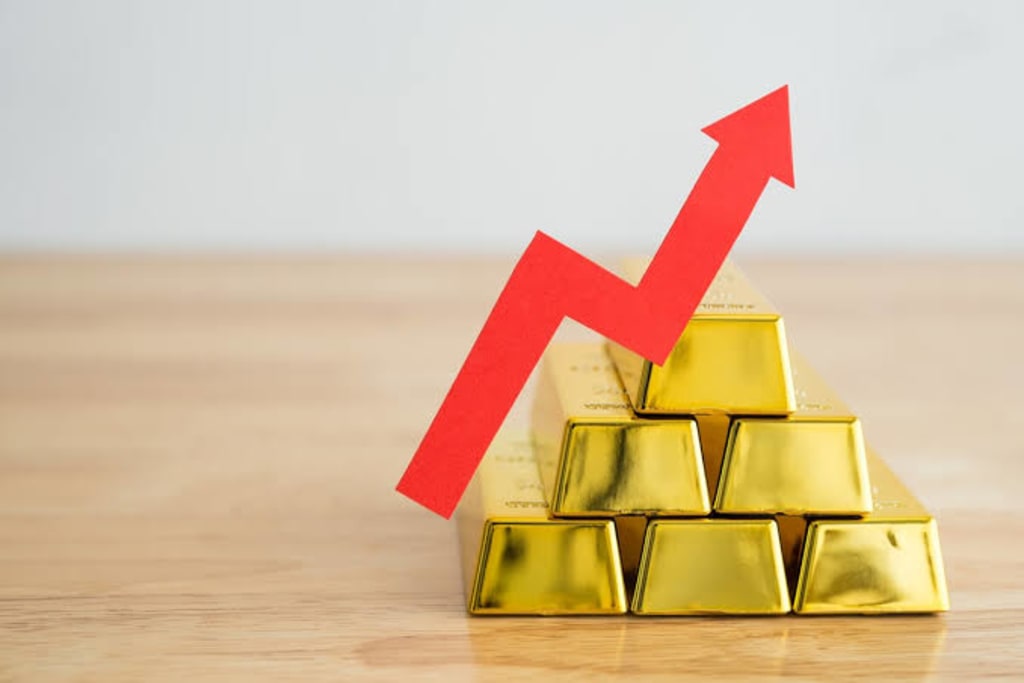
Picture a retired schoolteacher. Call her Margaret. She started watching gold in 2019. It was around $1,300 an ounce then, and she thought it was expensive. She waited. At $2,000, she was sure it had peaked. She waited again.
\At $3,000, the headlines screamed about a "bubble." Today, with gold near $4,270, she is asking the same question millions of Americans are typing into search engines: is gold going to skyrocket from here, or have I missed it?
Here is the honest answer. Gold could move sharply higher, and there are real forces that could drive it. But "skyrocket" is the wrong way to think about it. The more important fact is that the buyers under this market are not speculators hoping for fireworks.
They are central banks, long-term savers, and investors in Asia buying physical metal for keeps. That kind of demand does not usually produce a spike and a crash. It produces a steady, grinding climb that punishes those who keep waiting for the "perfect" moment.
How Sovereign Demand and Retail Bullion Buying Change Gold's Personality
Gold has always had moods. In the 1970s, it went from $35 to over $800 in less than a decade, then spent twenty years in the doldrums. That was a speculative market, fueled by panic and then abandoned when the Federal Reserve jacked interest rates to nearly 20%.
Today's market has a different personality. According to the World Gold Council, central banks added about 289 tonnes of gold in the second quarter of this year, up 62% from a year earlier and the most in four years. Total gold demand topped 5,000 tonnes last year, a record. Much of that came from buyers who have no intention of selling.
When a central bank buys gold, it is not setting a price target. It is diversifying away from the U.S. dollar and other fiat currencies because it has lost faith in the promises behind them. When a family in India buys gold coins, or an American retiree socks away a few ounces in a home safe, the goal is the same: protection, not a quick profit.
This matters because markets built on long-term holders behave differently from markets built on traders. They dip when price-sensitive buyers (like jewelry shoppers) pull back, then recover as structural buyers step in. That pattern has repeated itself again and again over the past few years.
Key Factors to Weigh
If you want to judge whether gold is set for a dramatic move, these factors deserve your attention.
Central bank buying. This is the single most important support in today's gold market. If sovereign buyers keep up their current pace, it limits how far prices can fall.
ETF flows. Recent reports show money flowing into gold ETFs in both the U.S. and China, even with interest rates elevated. When paper investors pile in on top of central banks, the result can be the kind of sharp move people call "skyrocketing."
Asian physical demand. China and India are the world's largest consumer markets for gold. Their demand shifts with price, local currency moves, and cultural buying seasons.
Supply response. Mine output grows slowly. A sudden surge in demand cannot be met with a sudden surge in production.
Sentiment and fear. A banking scare, a currency crisis, or a geopolitical shock can send buyers running toward real money in a hurry. These events are, by nature, hard to predict.
A Simple Framework for the Cautious Buyer
If you are worried about missing a spike, or worried about buying right before a drop, use this "if this, then that" guide.
If you are hoping gold skyrockets so you can sell for a profit, you are treating it like a lottery ticket. Reconsider your reasons.
If you want to protect savings from currency erosion, a spike is a bonus, not the goal. Buy steadily and hold.
If you fear you have already missed the move, remember that gold's job is to hold value over years, not weeks. Start with a modest position and add over time.
If you worry about a sharp pullback, split your purchases across several months so no single price determines your outcome.
If a salesperson tells you gold is "about to explode" and you must act today, walk away. Urgency is the oldest trick in the high-pressure playbook.
Common Concerns and Misconceptions
"Everyone online says gold is about to go to the moon. Is that a warning sign?"
Sometimes, yes. Hype is not analysis. Be especially wary of anyone who pairs predictions of a gold "explosion" with pressure to buy expensive collectible coins or proof sets.
Those products often carry markups of 30% or more over the metal value, which means gold would need to rise significantly just for you to break even. The shysters in this industry love a good "skyrocket" story because it is red meat for a commission-based sales pitch.
"What if I buy and it immediately falls?"
It might. Gold is volatile in the short run. Pullbacks of 10% or more have happened many times during this bull market. But look at who has been buying those dips: central banks with decades-long time horizons. If you buy for the same reasons they do, a short-term drop becomes an opportunity to add rather than a reason to panic.
"If it doesn't skyrocket, was it worth buying?"
Absolutely. The purpose of physical gold is not to beat the stock market in a hot year. It is to preserve your purchasing power while Federal Reserve notes quietly lose theirs. Even a "boring" year for gold can be a quiet victory when inflation eats several percent of your cash savings.
Conclusion
Is gold going to skyrocket? It could. The ingredients are there: record central bank demand, strong investment buying, stubbornly flat mine supply, and a federal government that shows no interest in balancing its books. But gold does not need to skyrocket to do its job. Its job is to be there, holding its value, when paper promises fail.
Margaret's mistake was not buying too late. It was waiting for a signal that never comes. The prudent path is quieter and more reliable: understand why you want gold, buy recognizable bullion at reasonable premiums, store it safely, and let the long arc of monetary history do the rest.
About the Creator
Stefan Gleason
Stefan Gleason is President and CEO of Money Metals, the company recently named "Best Overall Online Precious Metals Dealer" by Investopedia. A graduate of the University of Florida, Gleason is a seasoned business leader and investor.
Enjoyed the story? Support the Creator.
Subscribe for free to receive all their stories in your feed.
Comments
There are no comments for this story
Be the first to respond and start the conversation.