
How to Choose the Right Stone Crusher for Your Mining
This comprehensive guide will walk you through everything you need to know about choosing the optimal stone crusher for your specific application.
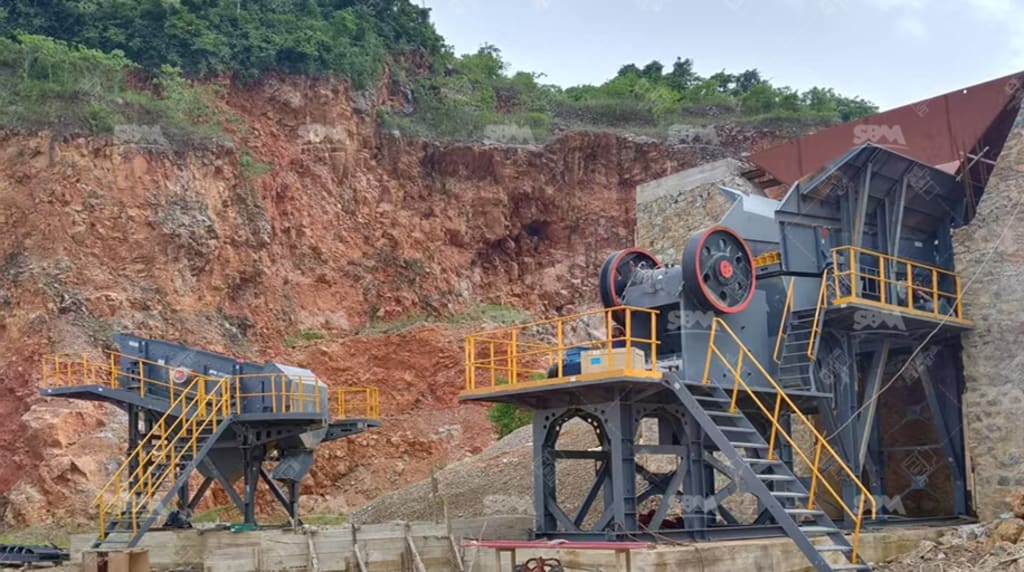
Selecting the right stone crusher is one of the most critical decisions in setting up a mining, quarrying, or construction project. The right machine can dramatically boost productivity, reduce operational costs, and improve product quality. The wrong choice, however, can lead to frequent breakdowns, poor output quality, and unexpected downtime. This comprehensive guide will walk you through everything you need to know about choosing the optimal stone crusher for your specific application.
Understanding Your Material Characteristics
Before evaluating any stone crusher model, you must first thoroughly understand the material you intend to process. Different materials behave very differently under crushing forces.
Hardness and Abrasiveness
The Mohs hardness scale is a useful reference point. Softer materials like limestone and gypsum (3-4 on Mohs scale) are easily crushed by impact crushers. Medium-hard materials like marble and iron ore (5-6) work well with cone crushers. Hard and abrasive materials like granite, basalt, and quartz (7+) require robust jaw or gyratory crushers with wear-resistant components.
Abrasiveness is equally important. Materials with high silica content will rapidly wear out blow bars and impact plates. For highly abrasive materials, compression-style crushers (jaw or cone) are generally more cost-effective than impact crushers, as they experience slower wear rates.
Moisture Content and Stickiness
Wet or sticky materials like clay or certain ores can clog screens and choke crusher chambers. If your material has high moisture content, consider:
- Using a scalping screen before the crusher to remove fines
- Selecting a crusher with a larger discharge opening to prevent packing
- Avoiding fine cone crushers which are particularly sensitive to sticky materials
Feed Size and Desired Output
The maximum feed opening determines the largest rock the crusher can accept. As a rule of thumb, the feed opening should be 10-15% larger than the maximum feed size. Your desired output size distribution will determine whether you need single-stage or multi-stage crushing.
Matching Crusher Type to Application
Each crusher type has distinct strengths and ideal applications. Understanding these will help you make an informed decision.
Jaw Crushers – The Primary Workhorse
Jaw crushers excel at primary crushing of hard, abrasive materials. They accept large feed sizes and produce a relatively coarse product, typically 150-300mm. Their simple, rugged design makes them reliable and easy to maintain.
Ideal applications for jaw crushers include:
- Hard rock quarrying (granite, basalt)
- Mining operations processing abrasive ores
- Recycling demolition waste with steel reinforcement (jaws can handle rebar)
Cone Crushers – For Secondary and Tertiary Crushing
Cone crushers produce well-shaped, consistent aggregate, making them ideal for producing high-quality construction materials. They are more efficient than jaw crushers for secondary crushing and produce fewer flat or elongated particles.
Best suited for:
- Producing concrete and asphalt aggregates
- Secondary and tertiary crushing stages after a jaw crusher
- Processing medium-hard to hard materials
Impact Crushers – High Reduction, Good Shape
Impact crushers deliver excellent reduction ratios and produce cubical product shape. They are more versatile than cone crushers for softer materials and can handle some moisture without major issues.
Consider impact crushers for:
- Limestone and dolomite quarries
- Producing base course materials for roads
- Recycling concrete and asphalt
Mobile vs. Stationary Crushers
Mobile crushers offer flexibility for projects with multiple sites or shorter durations. They eliminate the need for expensive haul trucks and reduce material handling costs. Stationary crushers are more economical for long-term, high-volume operations at a fixed location.
Evaluating Key Performance Metrics
Capacity and Throughput
Crusher capacity is typically rated in tons per hour (tph) at a specified closed-side setting (CSS). However, the actual achievable capacity depends on material characteristics. When evaluating capacity, request test data using material similar to yours.
Reduction Ratio
The reduction ratio indicates how much the crusher reduces the feed size. A higher reduction ratio means fewer crushing stages are required. Jaw crushers typically achieve 4:1 to 6:1 reduction, while impact crushers can reach 20:1 or more.
Energy Efficiency
Energy consumption is a major operating cost. Modern crushers incorporate energy-saving features like:
- Hydraulic adjustment systems that reduce idle running time
- Variable frequency drives that match motor speed to load
- Optimized crushing chamber geometries that reduce friction
Total Cost of Ownership Considerations
Initial Purchase Price
While tempting to choose the lowest-priced option, the initial cost typically represents only 10-20% of the total lifetime cost. Focus instead on value and long-term reliability.
Wear Parts and Consumables
Different crusher designs have vastly different wear part costs. Impact crushers typically require more frequent blow bar replacements, while jaw and cone crusher wear parts last longer but are more expensive per set. Calculate the cost per ton of crushed material, not just the part price.
Maintenance Requirements
Consider:
- Accessibility of wear parts for replacement
- Need for specialized tools or skills
- Availability of local service support
- Recommended maintenance frequency
Expected Service Life
A well-maintained crusher can operate for 10-15 years or more. Investigate the manufacturer's reputation for durability and availability of spare parts.
Regional Factors and Availability
Local Support and Parts Availability
Even the best crusher is worthless if you cannot get spare parts quickly. Evaluate the manufacturer's presence in your region. Do they have local distributors? Is there a warehouse of common wear parts nearby?
Power Supply Considerations
Remote sites may have limited power supply. Some crushers offer diesel-electric or fully hydraulic drive options for sites without three-phase power.
Transportation and Site Access
Consider how the crusher will be delivered to your site. Mobile crushers on tracks may be necessary for difficult terrain. For stationary plants, verify that access roads can accommodate component delivery trucks.
Choosing the right stone crusher requires balancing technical requirements, operational demands, and financial constraints. Start by thoroughly understanding your material and production goals. Match crusher type to your specific application. Then evaluate total cost of ownership, not just purchase price. Finally, verify local support and parts availability.
While the decision may seem daunting, taking a systematic approach will lead you to the right equipment. When in doubt, consult with multiple manufacturers, request test crushing of your material, and speak with existing users of the equipment you are considering. A well-chosen crusher will serve your operation reliably for many years, delivering consistent product quality and predictable operating costs.
About the Creator
Enjoyed the story? Support the Creator.
Subscribe for free to receive all their stories in your feed.
Comments
There are no comments for this story
Be the first to respond and start the conversation.