
Hormone Replacement Therapy Market Set for Strong Growth as Awareness, Innovation, and Aging Populations Drive Demand
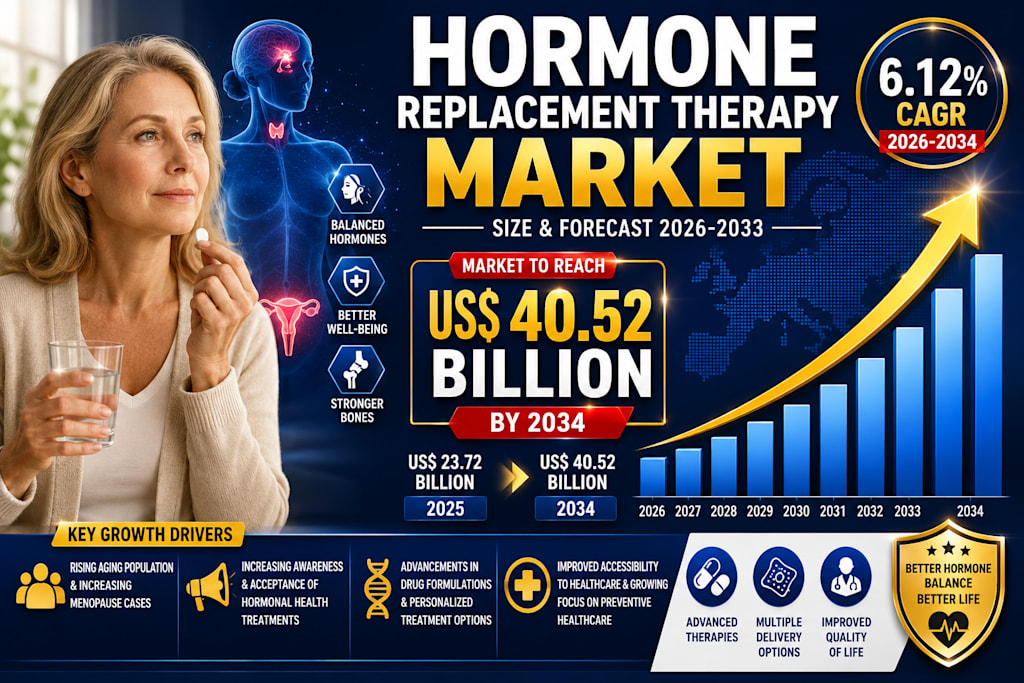
Global hormone therapy industry projected to exceed US$40 billion by 2034 as healthcare systems prioritize menopause management, thyroid disorders, and personalized treatment solutions.

The European cardiac surgical device market is entering a period of steady, technology-led expansion. According to the uploaded Renub Research report, the market is expected to rise from US$ 609.37 million in 2024 to US$ 816.88 million by 2033, reflecting a CAGR of 3.31% from 2025 to 2033. That growth may not sound explosive, but in the medical technology world, it points to something important: a durable and highly necessary transformation in how heart disease is treated across the region.
What is driving this growth is not a single trend, but a combination of pressures and opportunities. Europe is dealing with an aging population, a rising burden of cardiovascular disease, and a healthcare system that is increasingly willing to invest in better outcomes. At the same time, hospitals and surgical centers are adopting more advanced devices, more precise imaging, and less invasive techniques. Together, these forces are pushing cardiac surgery into a more efficient and patient-friendly era.
A Market Built Around Urgency and Innovation
Cardiac surgical devices play a central role in the diagnosis, repair, and treatment of serious cardiovascular conditions. They are used in procedures ranging from coronary artery bypass grafting and valve replacement to heart transplantation and minimally invasive cardiac surgery. The category includes a wide range of products such as catheters, valves, grafts, retractors, heart-lung machines, ventricular assist devices, ablation tools, cardiopulmonary bypass systems, and perfusion disposables. These devices are not simply support tools; they are often the difference between a high-risk operation and a successful outcome.
The importance of this market is easy to understand when viewed against Europe’s healthcare reality. Cardiovascular disease remains one of the continent’s most persistent health challenges, and the number of patients requiring advanced intervention continues to grow. As a result, hospitals are looking for tools that improve precision, reduce complications, shorten recovery periods, and support surgeons in increasingly complex procedures. This is why the market is not just expanding; it is evolving.
Why the Market Is Growing
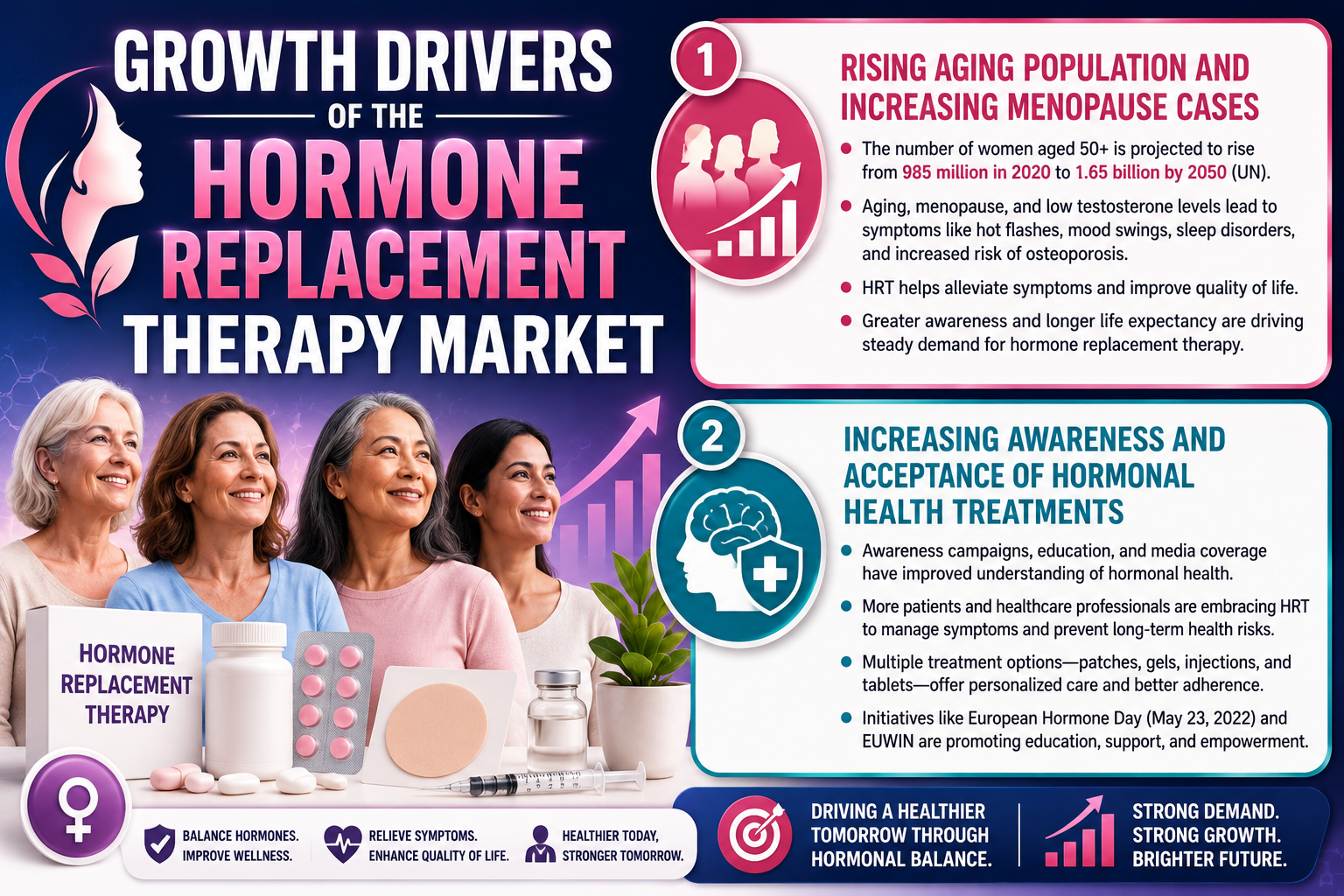
One of the strongest drivers is Europe’s aging demographic profile. Older adults are more likely to face heart-related illnesses, and many of these conditions require surgery or device-assisted treatment. As the elderly population increases across European countries, so too does the need for efficient cardiovascular care. That alone creates a strong foundation for long-term demand.
The second major driver is the rising incidence of cardiovascular disease. Conditions such as coronary artery disease, heart failure, arrhythmia, and congenital defects continue to place pressure on healthcare systems. These are not minor ailments that can be solved with quick outpatient care; many patients need specialized procedures and devices. That creates a consistent need for equipment used in operating rooms, catheterization labs, and cardiac specialty centers.
Technology is also changing the equation. Artificial intelligence, robot-assisted surgery, and advanced imaging are helping medical teams carry out procedures with greater accuracy. These tools support better planning, better visualization, and less invasive intervention. In practice, that often means fewer complications, shorter hospital stays, and quicker rehabilitation for patients. The report highlights how recent innovation from companies such as Medtronic and GE HealthCare reflects this shift toward smarter cardiac care.
Healthcare infrastructure across Europe is another meaningful growth factor. Many countries in the region already have well-developed hospital networks, strong specialist expertise, and access to sophisticated medical technologies. That creates a favorable environment for cardiac device adoption. As governments continue investing in healthcare modernization, the market gains even more momentum. Better access to diagnosis and treatment also means more patients are reaching care earlier, which increases the number of procedures performed.
There is also rising awareness around heart health. Public health campaigns, better screening efforts, and more patient education are encouraging earlier diagnosis and more proactive care. The market benefits when patients and physicians detect risk sooner, because it often leads to more interventions, more surgical planning, and more use of advanced devices.
The Shift Toward Minimally Invasive Surgery
If there is one broad trend reshaping cardiac surgery in Europe, it is the move toward minimally invasive procedures. Hospitals and surgeons are increasingly choosing techniques that reduce trauma, shorten recovery time, and improve the patient experience. This shift supports demand for specialized devices that make small-incision or catheter-based procedures possible.
The same trend can be seen across multiple countries in the region. In France, for example, robotic-assisted surgery and bioresorbable stents are helping improve surgical accuracy and recovery. Germany continues to benefit from strong demand for minimally invasive approaches, supported by modern reimbursement systems and broad use of advanced medical technologies. Spain is also seeing stronger adoption of techniques such as TAVR and PCI, which reduce the need for traditional open-heart surgery. The United Kingdom continues to move in the same direction, with technology and infrastructure supporting modern heart care.
These developments matter because they influence purchasing decisions. When hospitals invest in newer methods, they often need a broader set of compatible devices. That supports growth not only for high-end surgical systems, but also for disposable and support equipment that make advanced procedures possible.
Challenges That Could Slow Expansion
Even in a promising market, growth does not come without obstacles. One of the biggest challenges in Europe is cost. Many of the most advanced cardiac devices, especially AI-enabled and robotic systems, come with a steep upfront price tag. For smaller hospitals, budget-constrained healthcare systems, or facilities in less affluent regions, that can be a serious barrier. Maintenance, training, and replacement costs further add to the burden.
Reimbursement is another issue. If a device is clinically attractive but not properly supported by payment structures, adoption becomes slower. Healthcare systems naturally weigh the price of new technology against budget priorities, and that can delay rollout even when the medical case is strong.
Regulation is also a major factor in Europe. The region has strict rules for medical device approval, and companies must navigate detailed testing, certification, and compliance procedures before products reach the market. This is a necessary part of protecting patient safety, but it can also extend timelines, increase development costs, and make it harder for smaller firms to compete. Under the European Union’s medical device framework, manufacturers face a demanding path before a product can scale broadly.
These barriers do not mean the market is weak. Instead, they show that success in this space depends on more than innovation alone. Companies must also be able to prove value, manage compliance, and fit into the economic realities of each national health system.
Country-Level Outlook: Europe Is Not One Market, but Many
Although the report covers the wider European region, it is clear that each country brings a slightly different growth story.
France is supported by an aging population, rising cardiovascular disease rates, and growing interest in minimally invasive technologies. The market is also shaped by the presence of major global medtech companies and regional leaders, which helps keep innovation active.
Germany stands out because of its strong healthcare infrastructure and favorable reimbursement environment. The country is a good fit for advanced cardiac devices, especially where outcomes and efficiency are clearly demonstrated.
The United Kingdom continues to benefit from a well-established healthcare system and growing demand for procedures that reduce recovery time and surgical risk. As in much of Europe, the move toward minimally invasive treatment remains a defining theme.
Spain is seeing increasing use of modern cardiac techniques, supported by broader access to advanced treatment options and a healthcare system that is increasingly open to innovation.
These national differences matter because cardiac device adoption is often local. Procurement, reimbursement, surgical training, and hospital budgets can vary considerably from one country to another. That means manufacturers must not only develop great products, but also understand where and how those products will be used.
Segment Trends Worth Watching
The market is organized around several product and application segments. On the product side, the main categories include beating heart surgery systems, cardiopulmonary bypass equipment, cardiac ablation devices, and perfusion disposables. Each of these serves a different role in the surgical workflow, from maintaining circulation during operations to supporting precise tissue treatment.
In terms of application, the market serves a range of conditions including congenital heart defects, cardiac arrhythmia, coronary heart disease, congestive heart failure, and others. This is important because the broader the disease spectrum, the more diverse the demand profile becomes. A market serving multiple clinical needs is often better positioned for resilience than one depending on a single use case.
End users are primarily hospitals, though ambulatory surgical centers and other facilities also play a role. Hospitals remain the core purchasing base because many cardiac procedures require full surgical infrastructure, specialist teams, and post-operative care. But as technology continues to advance, some lower-risk procedures may shift toward more distributed care settings over time.
Competitive Landscape and Key Players
The competitive environment in Europe includes a mix of major multinational companies and established medtech brands. The report identifies companies such as Abbott Laboratories, Boston Scientific Corporation, Edwards Lifesciences, Cardinal Health, Medtronic, GE HealthCare, LivaNova, and Terumo Corporation. These names matter because they represent the technological backbone of the market and set the pace for product innovation, clinical validation, and regional expansion.
Competition in this sector is not only about device performance. It is also about clinical trust, regulatory readiness, service support, and the ability to adapt to local healthcare systems. Companies that combine all of those strengths tend to be better positioned for long-term growth.
Final Thoughts
Europe’s cardiac surgical device market is growing in a measured but meaningful way. The forecast from US$ 609.37 million in 2024 to US$ 816.88 million by 2033 shows a sector that is being lifted by necessity, innovation, and demographic reality. The region’s aging population and rising cardiovascular burden create a clear need, while advances in AI, minimally invasive surgery, and imaging are changing how care is delivered.
At the same time, the market is not without pressure. High device costs and complex regulation remain significant hurdles. But that is also what makes the story interesting. The companies that succeed in Europe will not be the ones that simply sell the newest technology. They will be the ones that can prove real clinical value, navigate regulatory systems, and adapt to the varied needs of Europe’s healthcare landscape.
For readers, investors, and industry watchers, the message is clear: Europe’s cardiac surgical device market is not just expanding. It is becoming smarter, more specialized, and more closely aligned with the future of heart care.
About the Creator
Enjoyed the story? Support the Creator.
Subscribe for free to receive all their stories in your feed.
Comments
There are no comments for this story
Be the first to respond and start the conversation.