
Healthcare IT Market: Transforming Patient Care Through Digital Innovation
The Healthcare IT Market is rapidly evolving as digital technologies redefine how healthcare services are delivered, managed, and optimized. From electronic health records (EHRs) to telemedicine and AI-powered diagnostics, healthcare IT is enabling more efficient, patient-centric care. Rising demand for data-driven decision-making, regulatory compliance, and improved clinical outcomes is driving strong market growth globally.

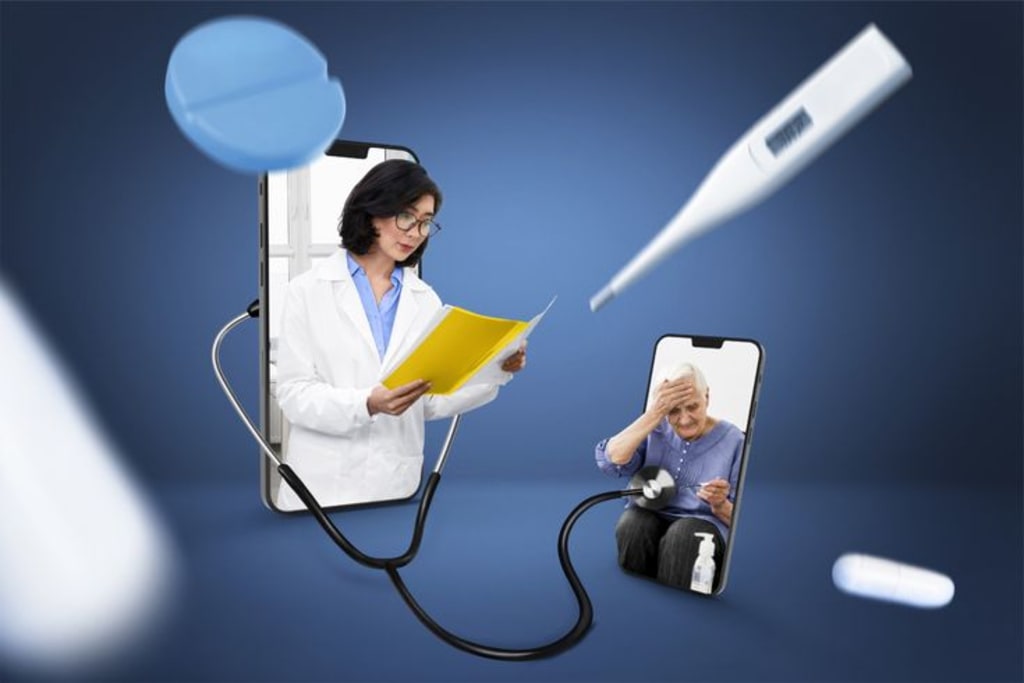
The Healthcare IT Market encompasses a wide range of technologies designed to store, manage, and exchange health information digitally. These include electronic health records (EHR), healthcare analytics, telehealth platforms, hospital information systems (HIS), and mobile health applications.
In recent years, the healthcare industry has undergone a major digital transformation. Hospitals, clinics, and healthcare providers are increasingly adopting IT solutions to enhance patient care, streamline operations, and reduce costs. The shift toward value-based care models—where providers are rewarded for patient outcomes rather than service volume—has further accelerated the adoption of healthcare IT systems.
Additionally, the integration of technologies such as artificial intelligence (AI), cloud computing, and big data analytics is revolutionizing how medical data is utilized. These innovations allow for predictive analysis, early disease detection, and personalized treatment plans, making healthcare more proactive and efficient.
According to IMARC Group, The global healthcare IT market size reached USD 363.2 Billion in 2024. Looking forward, IMARC Group expects the market to reach USD 909.4 Billion by 2033, exhibiting a growth rate (CAGR) of 10.20% during 2025-2033. The widespread adoption of digital health technologies in healthcare IT, the implementation of supportive government initiatives, and the emergence of several technological advancements are some of the major factors propelling the healthcare IT market share.
Healthcare IT Market Size, Share, Trends and Forecast by Product and Services, Component, Delivery Mode, End-User, and Region, 2025-2033
Market Growth
The Healthcare IT Market is experiencing robust growth, driven by increasing investments in digital healthcare infrastructure and rising demand for efficient healthcare delivery systems.
Governments and private organizations worldwide are investing heavily in healthcare IT to improve accessibility and quality of care. The COVID-19 pandemic also played a crucial role in accelerating digital adoption, particularly in telemedicine and remote patient monitoring solutions.
Key Trends
1. Expansion of Telehealth Services
Telemedicine has become a mainstream solution, allowing patients to consult healthcare providers remotely. This trend is improving access to care, especially in rural and underserved areas.
2. AI and Machine Learning Integration
AI is transforming diagnostics, drug discovery, and patient care management. Machine learning algorithms are enabling faster and more accurate decision-making.
3. Cloud-Based Healthcare Solutions
Cloud computing is enabling secure data storage, seamless information sharing, and cost-effective scalability, making it a preferred choice for healthcare organizations.
4. Growing Focus on Data Analytics
Healthcare providers are leveraging big data analytics to gain insights into patient behavior, improve outcomes, and optimize resource allocation.
5. Rise of Mobile Health (mHealth)
Mobile apps and wearable devices are empowering patients to monitor their health in real time, promoting preventive care and wellness.
6. Interoperability and Data Exchange
Efforts to improve interoperability between healthcare systems are gaining momentum, enabling better coordination and continuity of care.
Market Outlook
The future of the Healthcare IT Market looks highly promising, with continuous technological advancements and increasing digital adoption across the healthcare ecosystem. As healthcare systems worldwide strive to become more efficient and patient-centric, IT solutions will play a critical role.
Emerging technologies such as blockchain, Internet of Things (IoT), and advanced robotics are expected to further enhance healthcare IT capabilities. Blockchain, for instance, can improve data security and transparency, while IoT devices enable real-time health monitoring.
Developing regions are expected to witness significant growth due to improving healthcare infrastructure and increasing government initiatives. Meanwhile, developed markets will continue to lead in innovation and advanced technology adoption.
In the long term, healthcare IT will not only improve clinical outcomes but also redefine the entire healthcare experience—making it more accessible, efficient, and personalized.
FAQs
Q1. What is the Healthcare IT Market?
The Healthcare IT Market includes technologies and systems used to manage healthcare information, improve patient care, and streamline healthcare operations.
Q2. What is driving the growth of this market?
Key drivers include rising healthcare costs, increasing demand for digital solutions, advancements in AI and analytics, and growing adoption of telehealth services.
Q3. Which technologies are most important in healthcare IT?
Major technologies include electronic health records (EHR), telemedicine, AI, cloud computing, big data analytics, and mobile health applications.
Q4. Which regions dominate the market?
North America leads due to advanced healthcare infrastructure, while Asia-Pacific is emerging as a fast-growing region.
Q5. What is the future of the Healthcare IT Market?
The market is expected to grow significantly, driven by innovation, digital transformation, and the increasing focus on patient-centric care.
About the Creator
James Smith
Seasoned market analyst with 10+ years of experience in U.S. economic trends and stock market insights.
Enjoyed the story? Support the Creator.
Subscribe for free to receive all their stories in your feed.
Comments
There are no comments for this story
Be the first to respond and start the conversation.