
Forex Trading for Beginners
The 'gurus' on Instagram are lying to you. Trading isn't about Ferraris and beach laptops; it's about not losing your shirt. Here is the raw, unscripted guide to surviving your first month in the Forex market


I Lost $2,000 in 20 Minutes: The Brutal Truth and Simple Forex Strategies That Actually Work
The 'gurus' on Instagram are lying to you. Trading isn't about Ferraris and beach laptops; it's about not losing your shirt. Here is the raw, unscripted guide to surviving your first month in the Forex market.
The Night I Almost Quit Everything
I remember the smell of stale coffee and the hum of my laptop fan at 3 AM. My eyes were bloodshot. I had just watched a trade go against me—hard. In the span of twenty minutes, my account balance went from a hopeful $2,500 to a pathetic $400. It wasn't just the money. It was the crushing weight of realization: I had no idea what I was doing. I was gambling, not trading.
If you are reading this, you’ve probably felt that itch. The dream of financial freedom through currency trading is intoxicating. But let’s be real for a second. The Forex market is a meat grinder for the unprepared. You aren't competing against other beginners; you are competing against billion-dollar algorithms and banks that eat retail traders for breakfast.
But here’s the thing. You can actually win. Not by finding a 'magic' indicator, but by stripping away the noise and focusing on a few simple Forex strategies that human beings—real ones, not bots—can actually execute.
Stop Chasing the Lambo: The Reality of the Forex Market
First, we need to kill the myth. You won’t turn $100 into $10,000 by next Tuesday. If someone tells you that, they are selling a course, not a career. Successful Forex for beginners starts with one word: Survival.
When you enter the Forex market, you are trading one currency against another. The Euro against the Dollar (EUR/USD), the Pound against the Yen (GBP/JPY). It feels like a video game. It isn't. Every 'pip' (the tiny movement in price) represents real-world economic shifts.
Why Most Beginners Bleed Out Fast
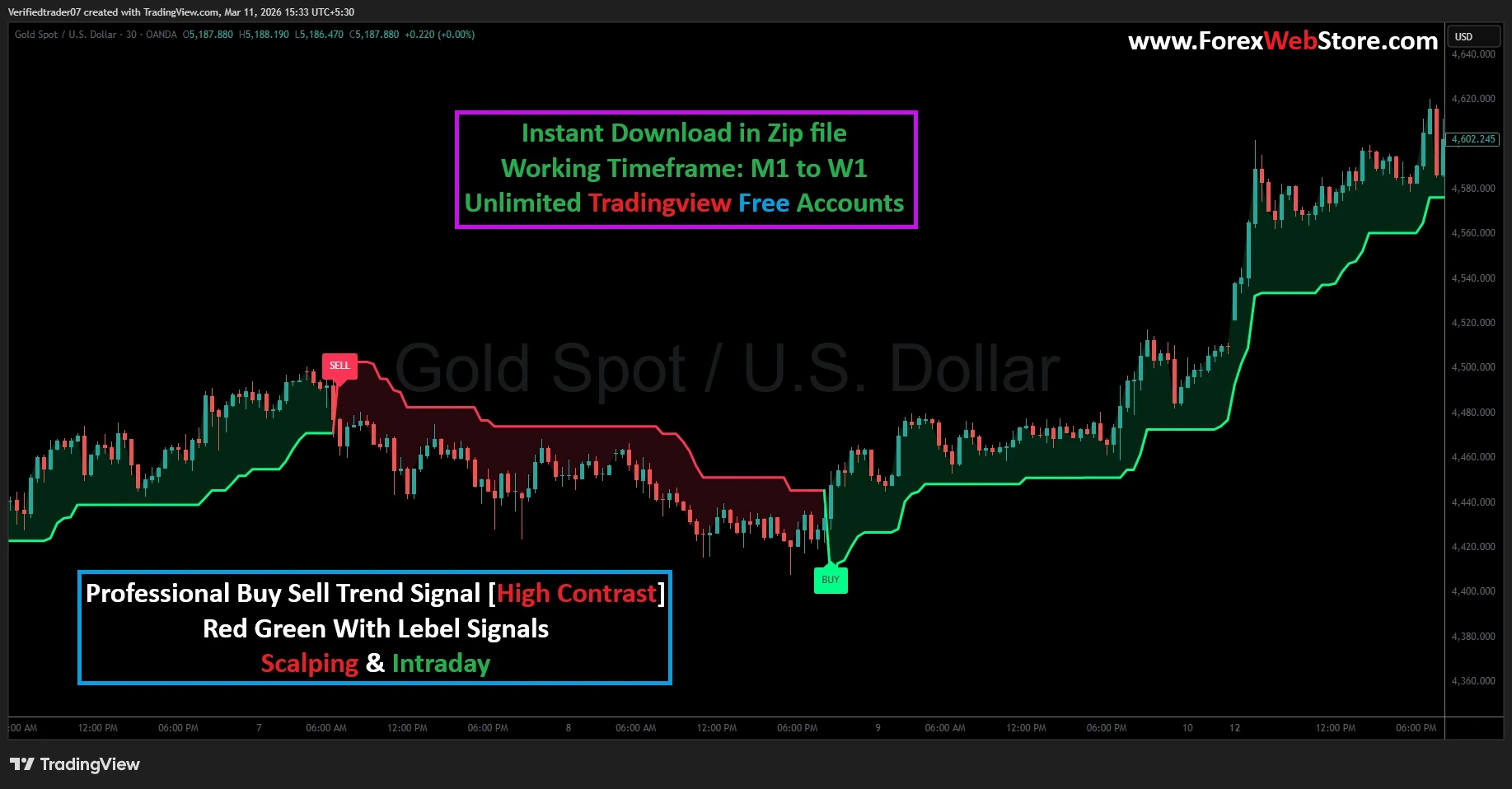
It’s usually ego. Or leverage. Most brokers offer crazy leverage, like 1:500. This means for every dollar you have, you can trade $500. It sounds great until the market moves 0.1% against you and your account is wiped out. To survive, you have to treat risk management like a religion.
The 'Naked Chart' Strategy: Why Less is More
Most beginners clutter their screens with so many lines and colored clouds that they can’t even see the price. It’s a mess. I used to be that guy. Then I discovered price action trading.
Price action is the art of reading the raw movement of the market. Forget the lagging indicators. Look at what the candles are telling you.
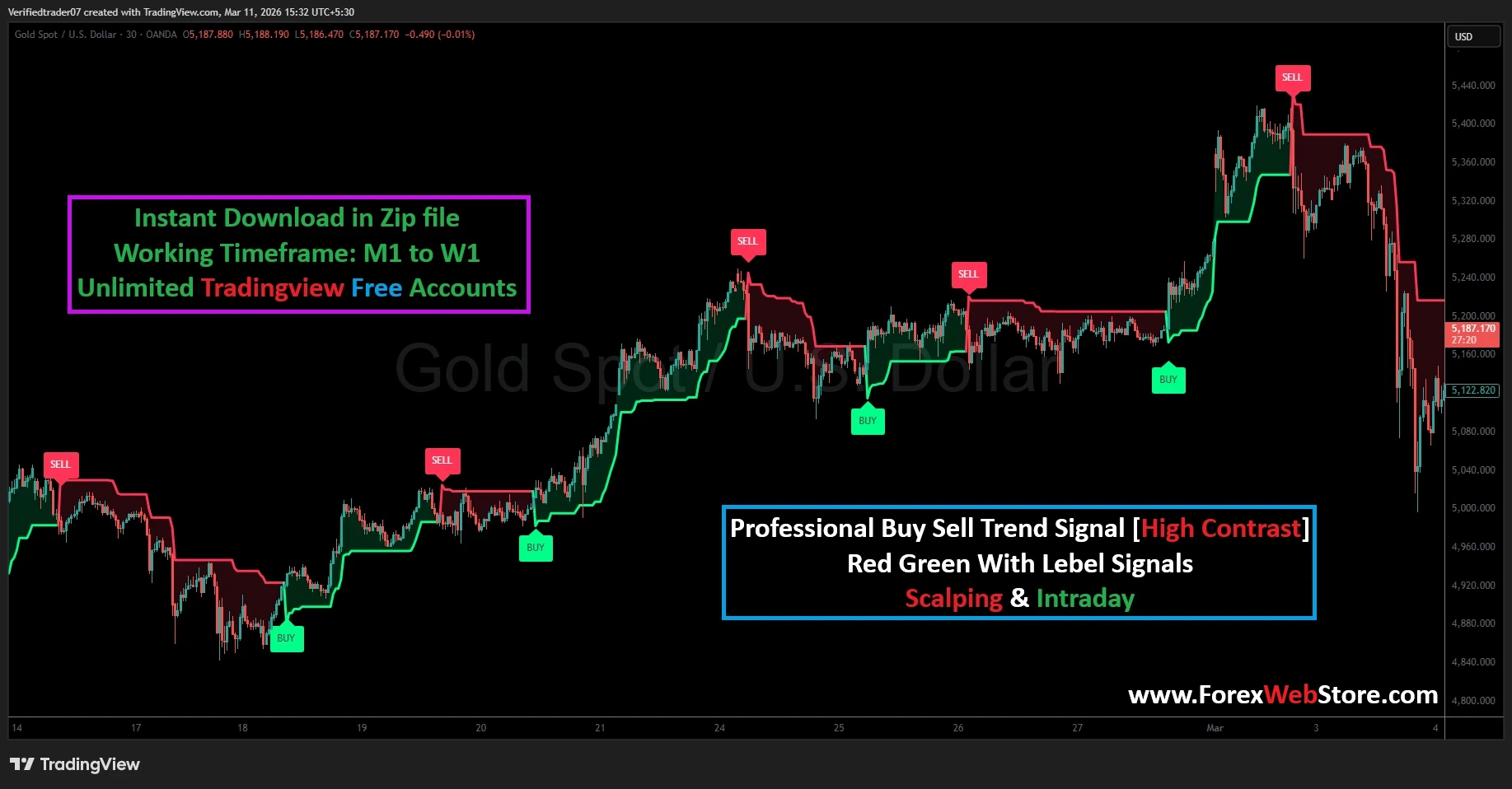
Mastering Support and Resistance
Think of the market like a rubber ball in a hallway. The floor is 'Support' and the ceiling is 'Resistance.'
Support: A price level where a downtrend tends to pause due to a concentration of demand.Resistance: A price level where an uptrend tends to pause as sellers step in.
That’s it. That is the foundation. You want to buy at the floor and sell at the ceiling. Don't overcomplicate it. When price hits a major support level and shows a 'rejection'—like a long wick pointing down—that is the market screaming at you that it wants to go higher.
The Only Indicator You Actually Need
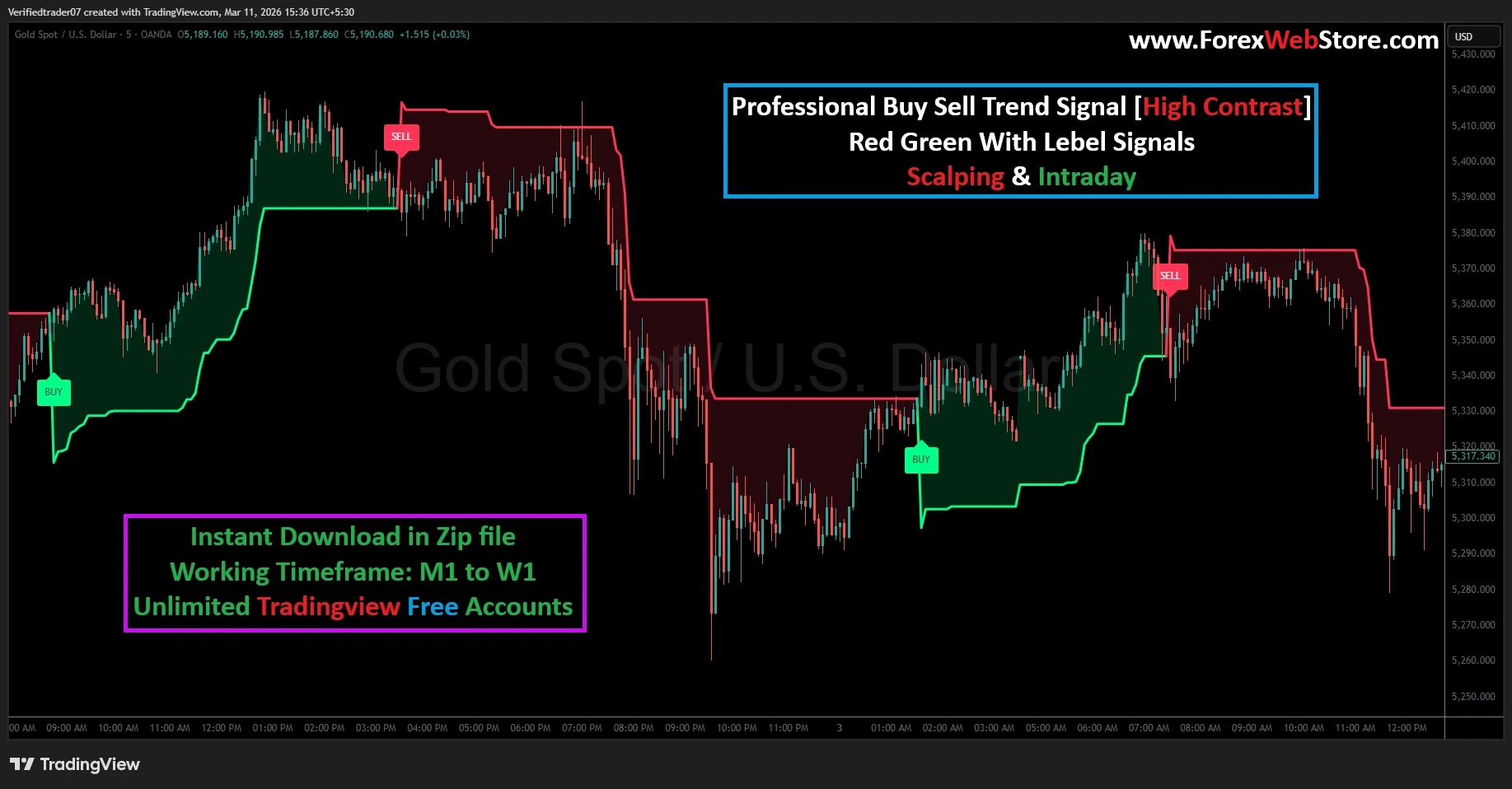
If I had to pick one tool to keep, it wouldn’t be some complex algorithm. It would be the Moving Average. Specifically, the 200-period Exponential Moving Average (EMA).
Think of the 200 EMA as the 'line in the sand.' If the price is above it, the trend is up. If it's below, the trend is down. Technical analysis doesn't have to be a headache. If the price is below the 200 EMA, stop looking for buy trades. You are swimming against the current. Wait for the market to align with the trend. It's boring, but boring is what pays the bills.
Risk Management: The 2% Rule That Saved My Life
Here is the secret that the 'get rich quick' crowd hates: You should never risk more than 1% to 2% of your account on a single trade.
If you have $1,000, you should only be 'losing' $20 if the trade goes wrong. Why? Because even the best traders have losing streaks. If you risk 20% per trade, five bad trades and you are at zero. If you risk 2%, you need fifty bad trades to hit zero. It gives you the emotional breathing room to actually learn.
The Power of the Risk-to-Reward Ratio
This is where the math turns in your favor. If you risk $20 to make $60, you have a 1:3 ratio. This means you can be wrong 60% of the time and still make a profit. Let that sink in. You don't have to be right; you just have to be disciplined.
Trading the Right Sessions
Not all hours are created equal. If you are trading at 10 PM on a Sunday, the market is usually moving like a snail. You want volatility.
Focus on the London and New York sessions. This is when the 'Big Money' moves. When these two sessions overlap (usually 8 AM to 12 PM EST), the volume is massive. This is where the real moves happen. If you can’t trade during these windows, focus on longer time frames like the 4-hour or Daily charts so you aren't glued to the screen.
The Psychological Trap: Getting Out of Your Own Way
Trading is 20% strategy and 80% psychology. Your brain is wired to do the wrong thing. When you are losing, your brain wants to 'hope' it turns around. When you are winning, your brain gets greedy and wants to hold on forever.
I’ve spent thousands of hours staring at charts, and the biggest lesson I learned is that the market doesn't care about your feelings. It doesn't care about your rent or your car payment. You have to be a cold, calculating machine.
Keep a trading journal. Write down why you took a trade, how you felt, and what happened. After a month, you’ll see patterns. You’ll realize you trade better on Tuesdays than Fridays. You’ll see that you overtrade when you’re tired. This data is more valuable than any 'expert' advice.
It’s a Journey, Not a Destination
Forex is a skill. Like playing the piano or performing surgery, it takes time. Don't rush into a live account. Use a demo account for at least three months. If you can't make fake money, you definitely won't make real money.
But here’s the thing: when it finally clicks? When you see a setup, execute it perfectly, and watch the trade hit your target? It’s the best feeling in the world. It’s not about the money at that point—it’s about the mastery.
So, take a breath. Clean off your charts. Stop looking for the 'Holy Grail.' Start looking at the price. The candles are telling you a story; you just have to learn how to listen.
About the Creator
Alex John
Today I will share with you how to trade option trading. Although this indicator is made for Stock Market, Forex Market if you work in other pairs then you can use it. Like:- Nifty, Banknifty, XAUUSD, EURUSD, USDCAD, EURCHF, GBPUSD,etc.
Enjoyed the story? Support the Creator.
Subscribe for free to receive all their stories in your feed.
Comments
There are no comments for this story
Be the first to respond and start the conversation.