
Can You Buy Sovereigns From the Bank? What Most Americans Discover When They Ask
Can You Buy Sovereigns From the Bank? What Most Americans Discover When They Ask

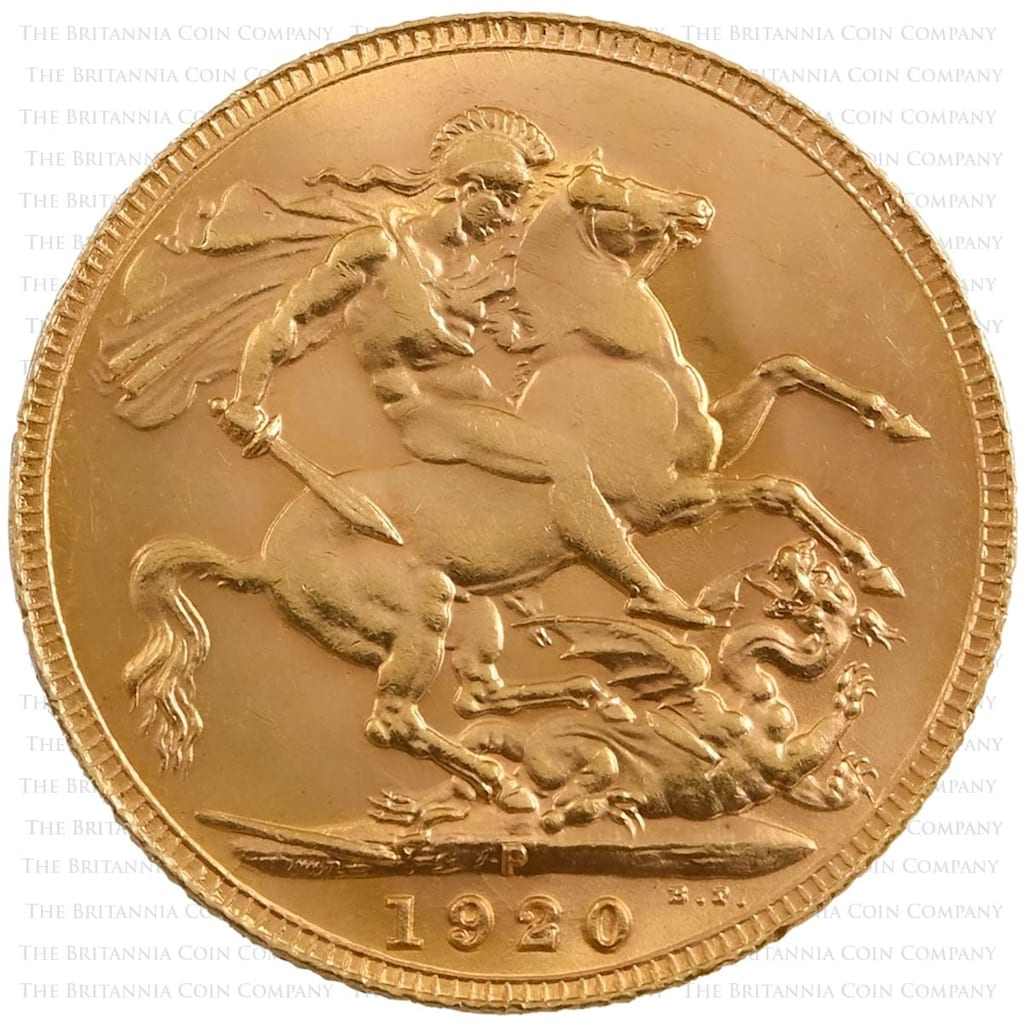
A reader wrote in describing a conversation that plays out thousands of times a year. He had inherited a few gold sovereigns from a grandfather, decided he wanted more, and did the thing that felt most natural: he walked into his bank and asked to buy some.
The teller had never heard of a sovereign. The branch manager suggested a gold ETF. He left with a brochure about a mutual fund.
So, can you buy sovereigns from the bank? In the United States, almost certainly not. American commercial banks have not sold physical gold coins to retail customers in any meaningful way for generations. Some banks in Germany, Switzerland, Austria, and parts of Asia do sell bullion over the counter. The American banking system does not, and the reasons why say a great deal about what banks are actually built to do.
Why the American Banking System Stopped Handling Gold
For most of American history, banks and gold were inseparable. Coins were money, banks held them, and deposit slips were claims on metal sitting in a vault.
That relationship ended by design. Executive Order 6102 in 1933 required Americans to turn in gold coin and bullion. The domestic gold coin standard was dismantled. By 1971, the last formal link between the dollar and gold was severed, and from that point forward the banking system dealt exclusively in Federal Reserve notes and the digital entries that represent them.
A modern bank is not in the business of selling you something that sits outside its balance sheet. It is in the business of taking your deposit, which becomes its liability and its lending base, and selling you products that generate fees.
Physical gold does neither. It requires secure handling, insurance, specialized staff, and inventory risk, and at the end of the transaction the bank has helped a customer move savings out of the banking system entirely.
Ask yourself why the institution whose business model depends on holding your currency would help you convert that currency into something it cannot lend against. The question answers itself.
There is one narrow exception worth knowing. Banks occasionally auction gold items seized or abandoned, and some offer safe deposit boxes where you can store metal you bought elsewhere.
Storage, not sales. Those are different services entirely, and the second one comes with a caveat covered below.
Where Sovereigns Actually Come From
If banks are out, the real market has four doors.
Established bullion dealers. The primary channel. Reputable dealers publish live pricing tied to spot, post buyback quotes, carry inventory, and ship insured. This is where most sovereigns in American hands originate.
Local coin shops. Useful for face to face transactions and immediate possession. Pricing varies more, and inventory depends on what has walked through the door recently.
Auctions and estate sales. Occasionally good value, frequently not. You are buying without a buyback relationship and often without the ability to verify carefully.
Private sales. Highest risk by a wide margin. Counterfeits exist for every popular gold coin, and a stranger with a compelling story is the oldest problem in this business.
The Royal Mint itself sells sovereigns directly, though for an American buyer, international shipping, customs handling, and the absence of a domestic buyback relationship usually make a stateside dealer the more practical route.
A Framework for Buying Without a Bank in the Middle
Verify the seller before you verify the coin. Years in business, a physical address, a published buyback policy, third party reviews, and a real telephone number answered by a real person. A dealer who will tell you what they would pay for the coin today is a dealer with a functioning market. One who dodges that question is not.
Insist on a live, spot linked quote. A sovereign contains 0.2354 troy ounces of fine gold. Any legitimate quote should be transparently expressed as gold content plus a stated premium. If the seller cannot or will not break the price down that way, walk.
Know which product you are asking for. "A sovereign" to a bullion dealer means a common date coin priced near melt. "A sovereign" to a rare coin salesman may mean a graded, slabbed, heavily marked up collectible. State plainly that you are buying for gold content.
Understand how payment affects reporting. Dealers must file Form 8300 with the IRS for cash or cash equivalent payments over $10,000, which is a reporting requirement on the payment method, not a tax. Bank wires, personal checks, and ACH transfers are not "cash" for that purpose. This is worth knowing so that no one can use confusion about it to steer you.
Decide storage before delivery. A good safe at home, an independent insured depository, or a bank safe deposit box. Each has tradeoffs, and the third one deserves particular scrutiny given why people buy gold in the first place.
Concerns People Raise When the Bank Turns Them Away
"If banks won't sell it, is it somehow disreputable?" The opposite. Gold's absence from bank branches reflects the incentives of institutions that profit from currency circulating within their system. Central banks themselves have been steady net buyers of gold in recent years. They are happy to hold it on their own balance sheets. They simply have no interest in helping you hold it on yours.
"Isn't a dealer riskier than a bank?" A bank is federally insured on deposits, which is meaningful for deposits and irrelevant to a coin purchase. What protects you in a bullion transaction is the dealer's track record, transparent pricing, insured shipping, and a real buyback market. Established dealers process enormous volume precisely because those safeguards work.
"Should I just use my bank's safe deposit box?" You can, but understand what you are getting. Box contents are not insured by the bank and generally not covered by federal deposit insurance. Access is limited to banking hours and, more to the point, to periods when the bank is open and operating normally. Many people who buy gold as protection against financial disruption find it strange, on reflection, to store that protection inside the institution they are hedging against.
"What if I overpay because I don't know the market?" Then learn the one piece of arithmetic that protects you: gold price times 0.2354 equals the metal in a full sovereign. Everything above that number is premium, and premium should be quoted to you as a percentage. Get two or three quotes on the same day. The market is competitive and the prices converge quickly.
Conclusion
You cannot meaningfully buy gold sovereigns from an American bank, and that fact is not an obstacle so much as a clarification. Banks deal in currency and in claims.
A sovereign is neither. It is 0.2354 troy ounces of metal that has outlasted the empire that minted it, the gold standard that once backed the pound, and every currency reform since.
The reader who left his branch with a mutual fund brochure eventually bought his sovereigns from a dealer, at a transparent premium, with a buyback quote in hand before he paid. It took him one afternoon of learning what the bank could not teach him. That afternoon is the only real barrier between most people and owning the thing outright.
About the Creator
Stefan Gleason
Stefan Gleason is President and CEO of Money Metals, the company recently named "Best Overall Online Precious Metals Dealer" by Investopedia. A graduate of the University of Florida, Gleason is a seasoned business leader and investor.
Enjoyed the story? Support the Creator.
Subscribe for free to receive all their stories in your feed.
Comments
There are no comments for this story
Be the first to respond and start the conversation.