
Breaking Down the Real Insights from a Bitcoin Mining Panel in Las Vegas 2026
At first glance, it didn’t seem like anything out of the ordinary. Just another panel tucked inside a busy crypto event in Las Vegas. People moving between sessions, checking their phones, trying to figure out which talks were actually worth staying for. It’s a familiar scene. But once this particular discussion began, the tone shifted almost immediately. It wasn’t loud or overly polished. It didn’t rely on bold predictions or attention-grabbing claims. Instead, it focused on something far more useful—what’s actually happening in the mining space right now.

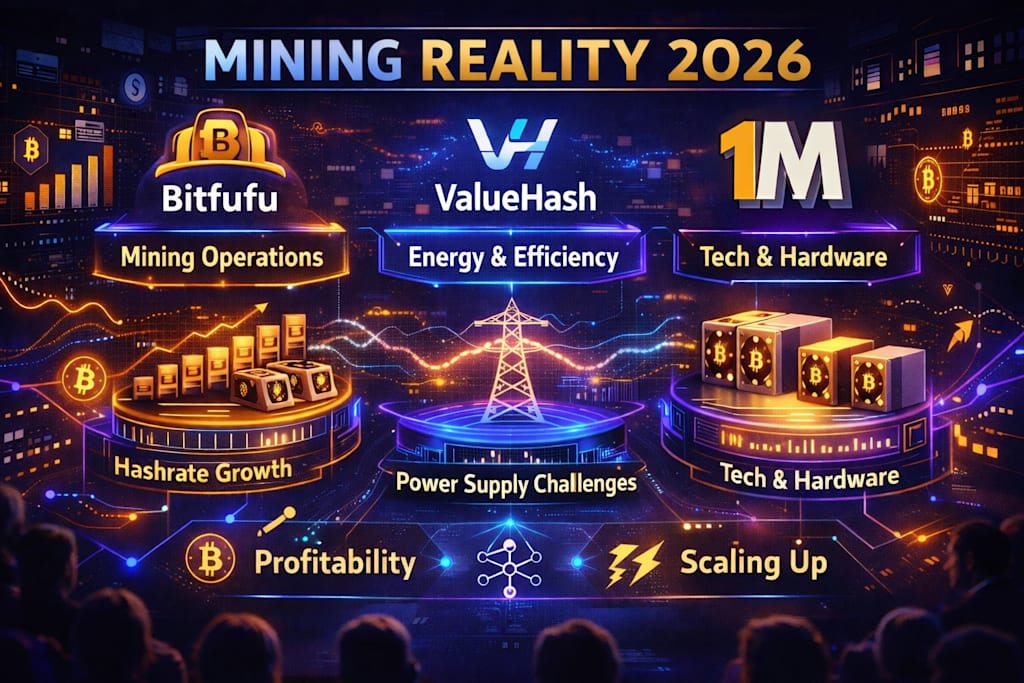
A Panel That Felt Grounded
On stage were three speakers coming from different parts of the industry:
What made the conversation stand out wasn’t just who they were—it was how they approached the topic.
There was no sense of competition between ideas. Instead, each speaker added a different layer to the discussion, creating a more complete picture of how mining operates today.
It felt less like a presentation and more like a shared reality check.
Mining Isn’t “Plug and Play” Anymore
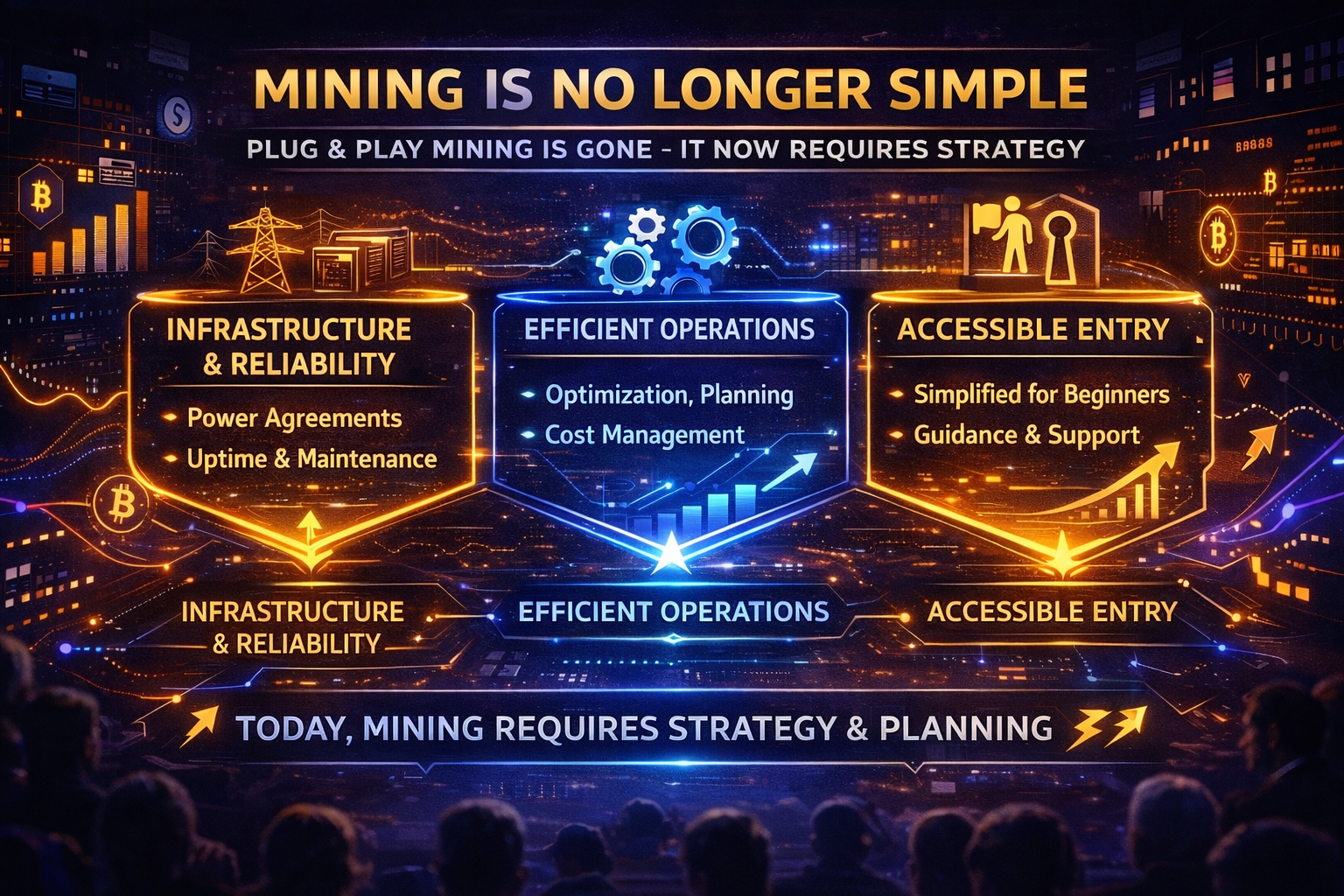
One of the clearest takeaways came early:
Mining has changed.
The idea that you can simply set up a machine and let it run without much thought is no longer realistic. That version of mining has gradually disappeared as the industry matured.
Each speaker approached this from a different angle.
Charley Brady emphasized the importance of infrastructure—things like reliable power agreements, stable uptime, and proper facility management. These aren’t optional anymore; they’re foundational.
Shreyash Milak focused on efficiency, explaining that even smaller operations need to think beyond raw output. Performance isn’t just about how much power you have, but how well you use it.
Michal Beno added another perspective: accessibility. While mining has become more complex, there are still ways for beginners to enter the space—provided the process is simplified and structured.
Together, these points highlight a major shift: mining today is built on planning, not guesswork.
Why Hosting Is Becoming the Standard
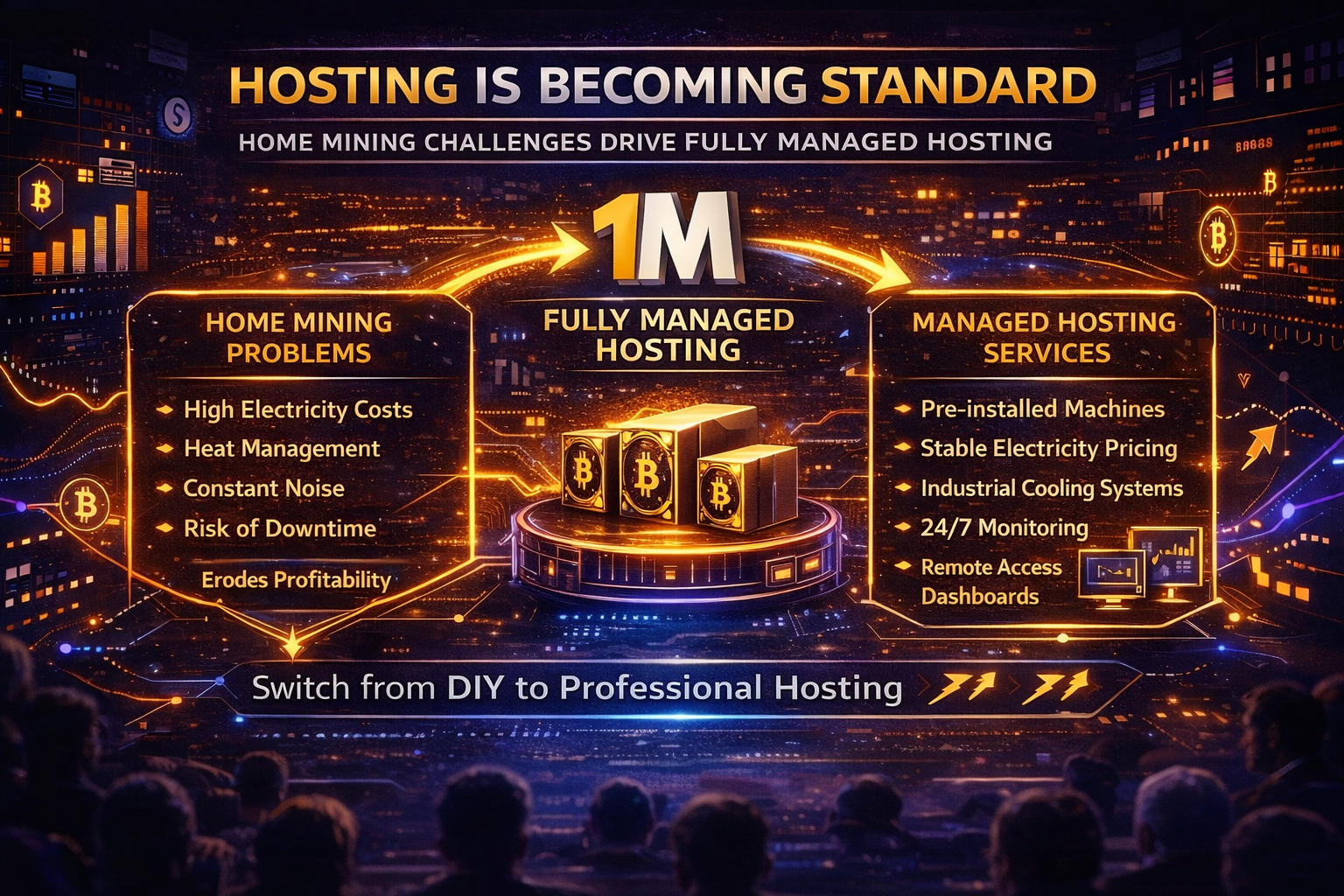
Another part of the discussion that stood out was the role of hosting.
Not long ago, hosting was seen as an optional convenience. Now, it’s quickly becoming the default approach for many miners.
The reasoning is fairly straightforward.
Running mining equipment at home introduces several challenges:
- High and unpredictable electricity costs
- Heat management issues that require additional setup
- Constant noise from machines running non-stop
- Increased risk of downtime due to unstable conditions
These factors don’t just affect comfort—they directly impact performance and profitability.
Because of this, managed hosting solutions are becoming more common. Instead of handling everything independently, users rely on structured environments where machines are already optimized for mining.
This typically includes:
- Pre-installed and configured equipment
- Stable and often lower electricity rates
- Industrial-grade cooling systems
- Continuous monitoring and maintenance
- Remote access for tracking performance
It reflects a broader shift away from “do-it-yourself” setups toward a more service-based model.
Efficiency Matters More Than Power
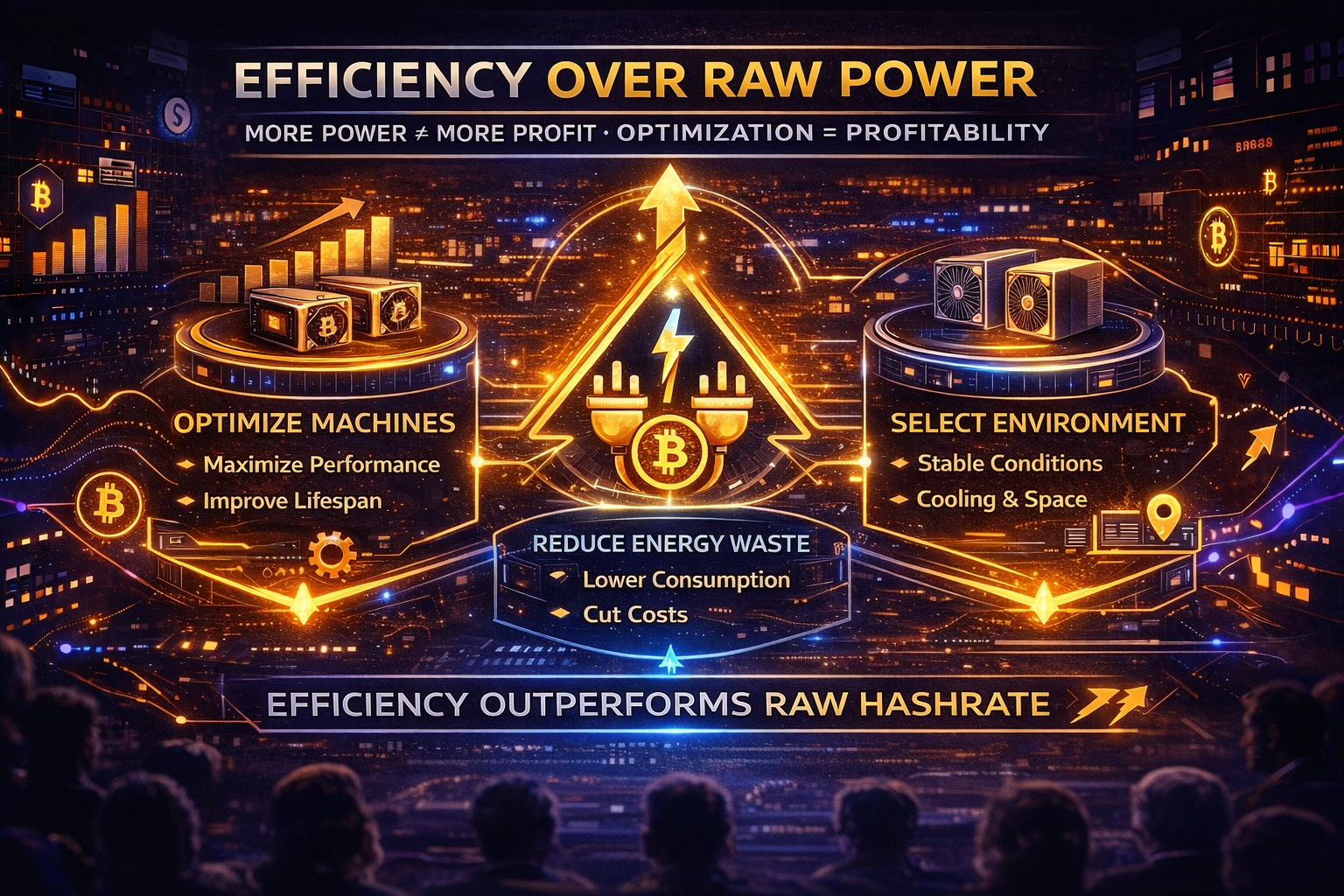
One insight that stood out during the discussion was the idea that more power doesn’t automatically lead to better results.
Shreyash Milak highlighted how efficiency plays a much bigger role than many expect.
This includes:
- Fine-tuning machine performance
- Reducing wasted energy
- Choosing the right location or environment
In practical terms, a smaller but well-optimized operation can sometimes outperform a larger setup that isn’t managed properly.
For anyone new to mining, this represents an important mindset shift.
Scaling Requires Structure
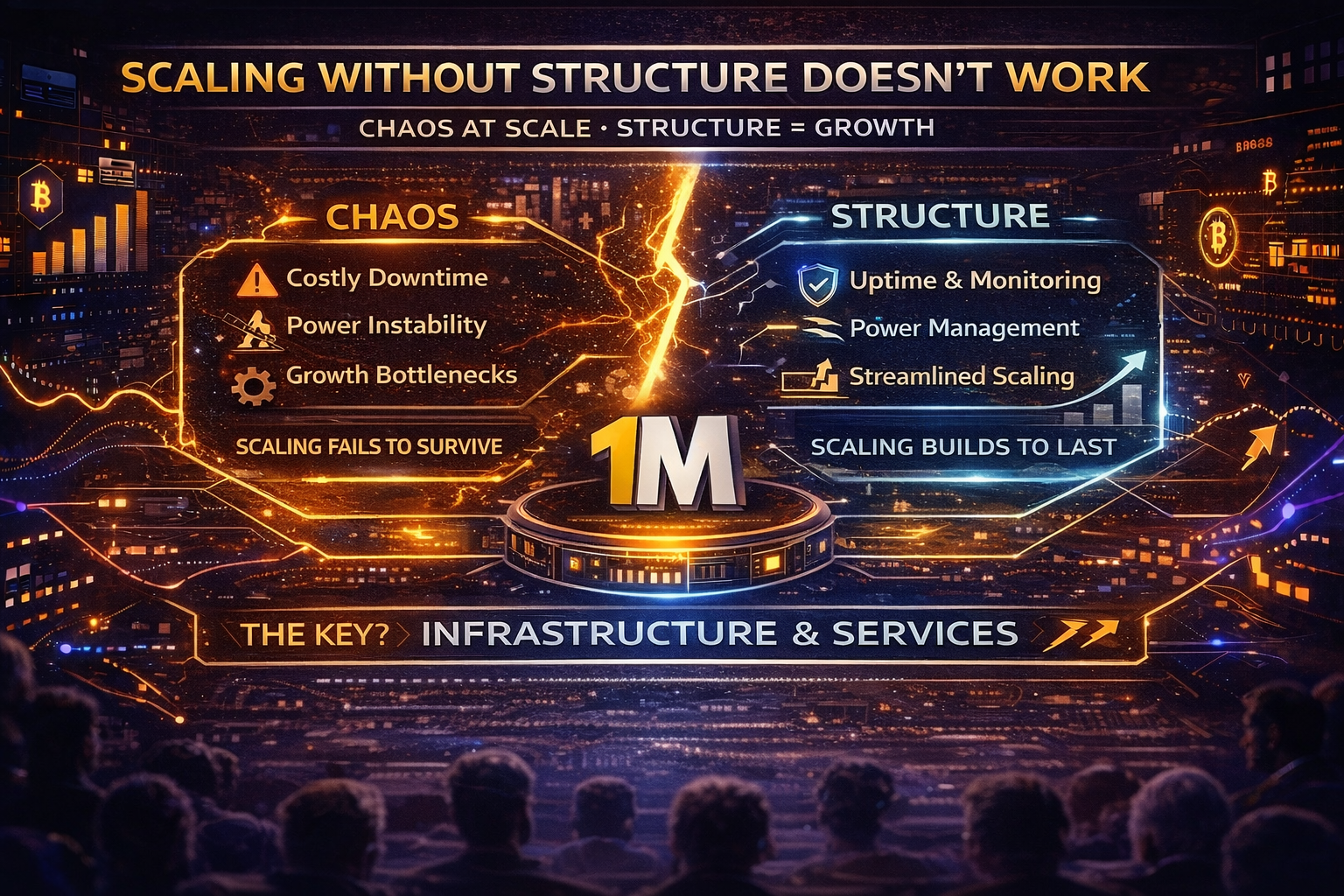
Charley Brady’s perspective on scaling added another layer to the conversation.
The takeaway was simple but important:
Growth without structure doesn’t work.
As operations expand, even small issues become more significant. Downtime becomes more costly, energy inconsistencies have a bigger impact, and inefficiencies start to multiply.
That’s why systems and organization matter.
It’s also why some companies are focusing not just on selling hardware, but on building complete ecosystems that support long-term operations.
Lowering the Barrier to Entry
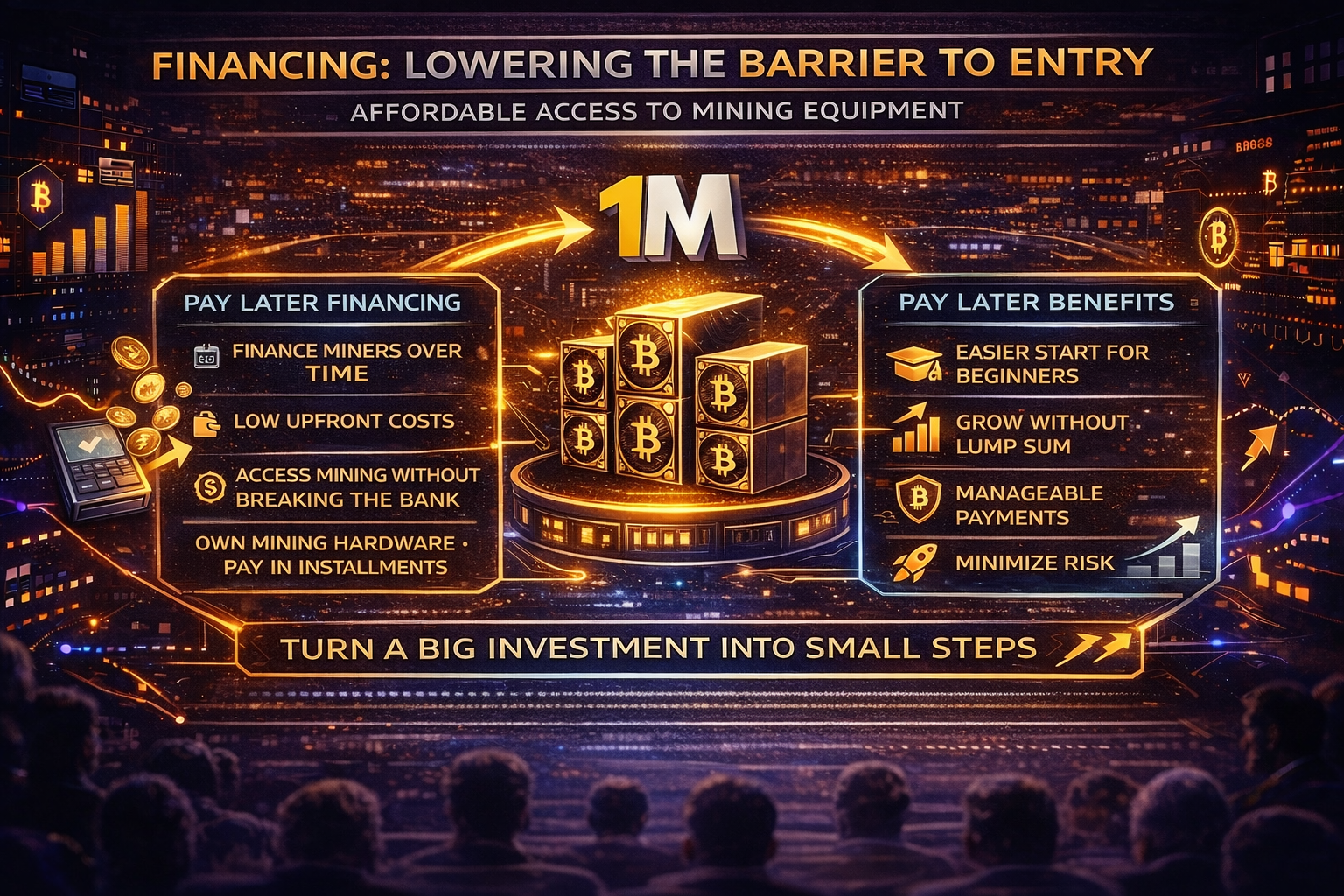
Another topic that came up—more subtly—was accessibility.
Mining has traditionally required a large upfront investment, which naturally limits who can participate. But newer approaches are starting to address this.
Some platforms now offer more flexible entry options, including financing models that allow users to get started without paying the full cost immediately.
This approach has been discussed in more detail in a recent article exploring “pay later” models in mining:
OneMiners Makes Tech Investment Easier with “Pay Later” Financing

While not everyone will choose this route, it does signal a shift toward making mining more accessible to a wider audience.
Looking at the Bigger Picture
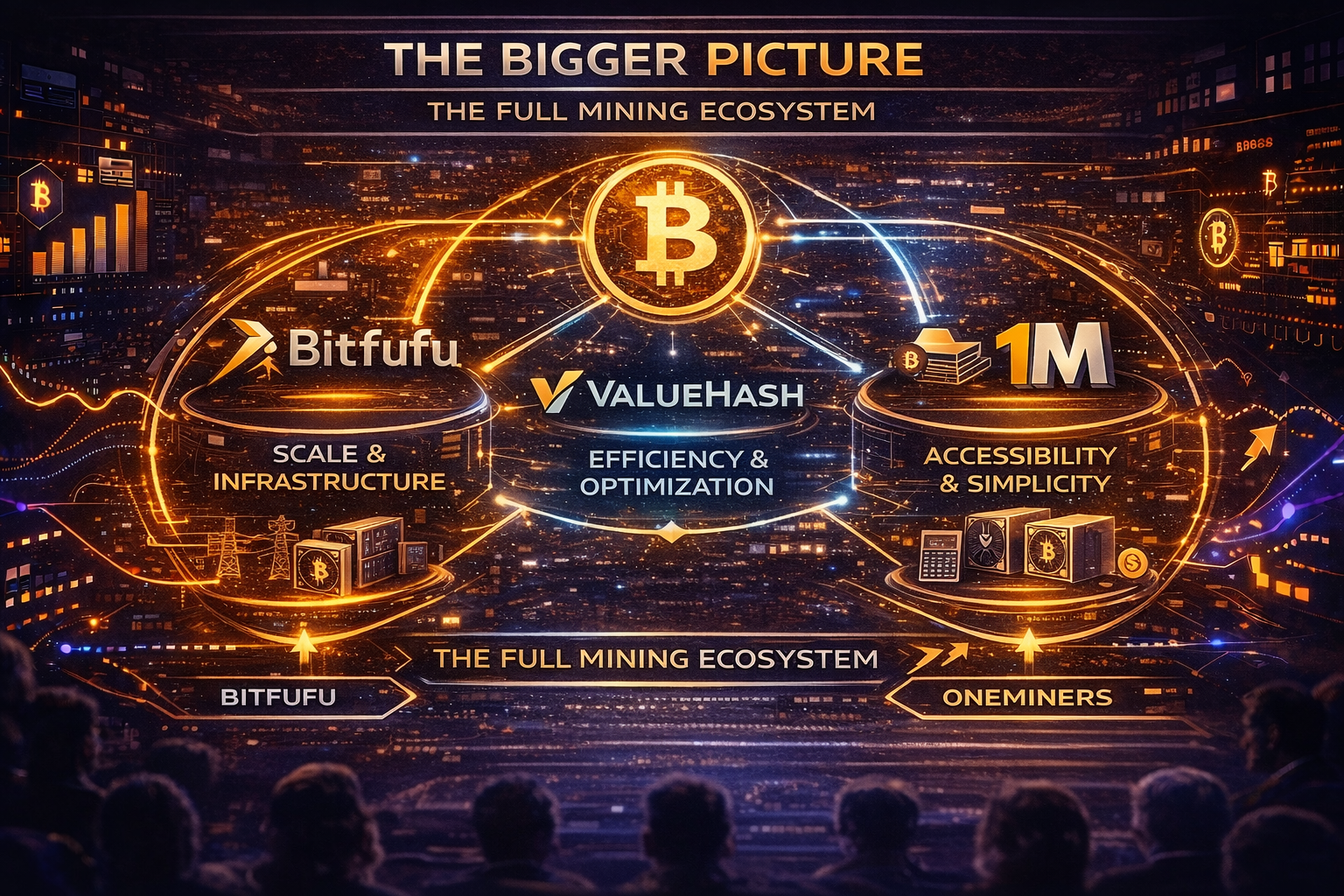
When you step back and look at the discussion as a whole, a pattern starts to emerge:
- Bitfufu highlighted scale and infrastructure
- ValueHash focused on efficiency and optimization
- Oneminers emphasized accessibility and simplification
Each perspective represents a different part of the same system.
And together, they offer a clearer understanding of where mining is heading.
Final Thoughts
This wasn’t a panel focused on shortcuts or quick profits.
It was about understanding what actually works—and what doesn’t.
If there’s one takeaway that stands out, it’s this:
Mining today is less about individual machines and more about the systems behind them.
And in an industry that often moves quickly, having that kind of clarity can make a meaningful difference.
About the Creator
Enjoyed the story? Support the Creator.
Subscribe for free to receive all their stories in your feed.
Comments
There are no comments for this story
Be the first to respond and start the conversation.