
Black Pepper Export from India: A Spicy Tale of Trade and Tradition
Black Pepper Export from India
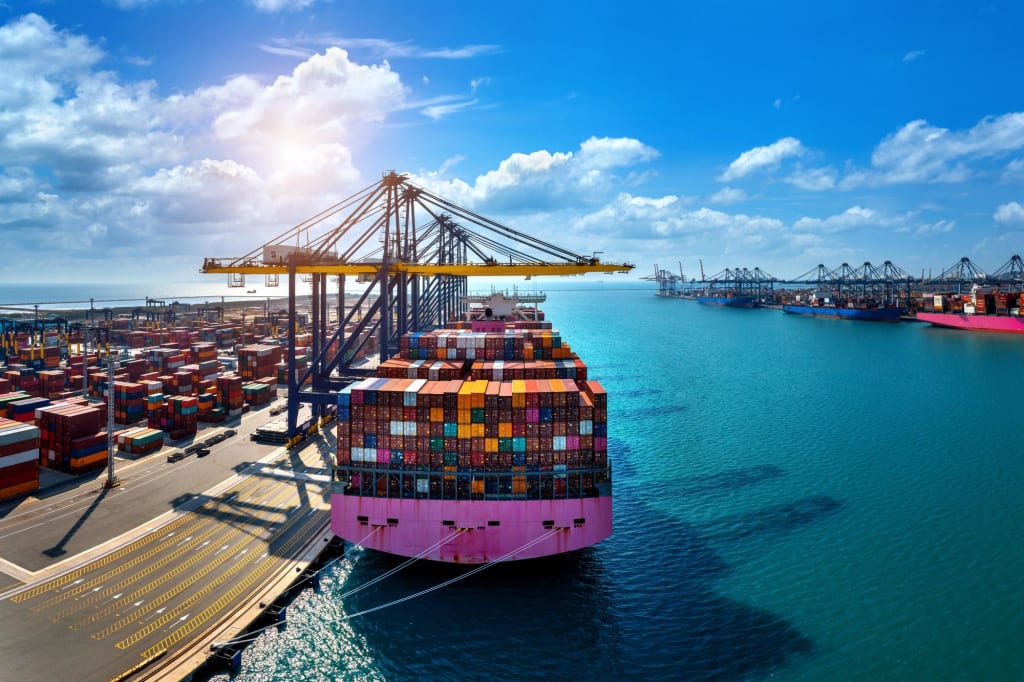
India, often dubbed the Land of Spices, has been a global spice hub for centuries. Among the treasure trove of spices India produces, black pepper—also known as the King of Spices—has held a special place. Revered for its bold flavor and medicinal properties, black pepper is not only a staple in Indian households but also a prized export commodity. In this blog, we dive deep into the story of black pepper exports from India, exploring its production, global demand, export trends, challenges, and future potential.
A Historical Perspective
The story of black pepper in India is not new—it dates back thousands of years. Ancient trade routes like the Spice Route and Silk Road facilitated the export of Indian black pepper to Europe, the Middle East, and beyond. In fact, the allure of India’s black pepper was one of the key reasons European colonizers ventured into the subcontinent.
The Malabar Coast (present-day Kerala) became synonymous with pepper, and its reputation as a global spice capital is rooted in these early exports.
Major Black Pepper Producing Regions in India
Black pepper is a tropical plant that thrives in hot, humid conditions. The southern part of India, particularly the Western Ghats, is ideal for its cultivation.
Key States Producing Black Pepper:
Kerala – Accounts for the largest share of India's black pepper production.
Karnataka – Especially the Coorg region.
Tamil Nadu – Nilgiris and other hilly regions.
Andhra Pradesh and Assam – Emerging players in recent years.
In India, black pepper is often grown as an intercrop with coconut and coffee, providing both ecological and economic benefits to farmers.
India’s Position in Global Black Pepper Trade
India was once the largest producer and exporter of black pepper. However, in recent years, its dominance has been challenged by countries like Vietnam, Indonesia, and Brazil, which have adopted more intensive farming and modern processing techniques.
Still, Indian black pepper—especially the Malabar and Tellicherry varieties—continues to enjoy premium status due to its rich flavor, essential oil content, and organic farming methods.
Export Statistics: How Much Pepper Leaves India?
Key Data (As of 2023):
Export Volume: Approximately 17,000–20,000 metric tons/year
Export Value: Around $80–100 million USD/year
Top Export Markets:
United tates
Germany
United Kingdom
UAE
Canada
Saudi Arabia
Netherlands
India exports both whole black pepper and ground pepper, with value-added products gaining popularity in recent years.
Why Indian Black Pepper Still Has a Market
Despite stiff competition, India retains a significant share of the premium market for a few reasons:
Aromatic Quality: Indian pepper has higher piperine content, giving it superior heat and medicinal value.
Organic Appeal: Many Indian farms use traditional organic methods, attracting health-conscious international buyers.
Geographical Indication (GI): Kerala’s Tellicherry and Malabar pepper varieties are GI-tagged, which enhances their brand value globally.
Ayurvedic and Medicinal Use: With rising interest in holistic health, Indian pepper is often used in traditional medicine and wellness products.
Challenges in the Black Pepper Export Industry
Despite its strengths, the Indian black pepper industry faces a range of challenges that affect its export potential:
1. High Domestic Prices
Indian black pepper is more expensive compared to Vietnamese or Brazilian varieties.
This price gap often drives bulk buyers to cheaper alternatives, affecting export volumes.
2. Import-Export Dynamics
India imports lower-priced pepper from Vietnam and Sri Lanka under SAFTA and ASEAN trade agreements. These imports sometimes get re-exported, affecting local prices and genuine Indian exporters.
3. Climate Change
Irregular rainfall, drought, and extreme weather conditions are impacting production in Kerala and Karnataka.
4. Lack of Mechanization
Pepper harvesting and processing in India are still largely manual, leading to inconsistent quality and higher labor costs.
5. Pest and Disease Management
Farmers often struggle with diseases like quick wilt and stem borer, affecting yields.
Government Support and Initiatives
The Spices Board of India plays a key role in regulating and promoting spice exports. Some notable initiatives include:
Quality Certification: Assistance with global certifications like HACCP, ISO, and Organic certification.
Financial Support: Subsidies for machinery, irrigation, and organic farming.
Export Promotion Schemes: Participation in international trade fairs and buyer-seller meets.
R&D Support: Research into high-yield and disease-resistant pepper varieties.
Opportunities for Growth
Despite the challenges, there’s a strong case for growth in India’s black pepper exports:
1. Value-Added Products
Spiced teas, pepper oils, wellness blends, and nutraceuticals present new opportunities.
2. Organic and Sustainable Farming
The global organic food market is booming. Positioning Indian black pepper as a premium, eco-friendly product can boost demand.
3. E-commerce and Direct Trade
Indian farmers and cooperatives can tap into platforms like Amazon, Etsy, and Alibaba to reach global niche markets directly.
4. Processed Products
Exporting pepper in the form of extracts, essential oils, capsules, and blended seasonings adds value and improves profit margins.
Conclusion
India’s journey with black pepper is as rich and complex as the spice itself. While the country no longer dominates the global export volumes, its premium varieties and organic reputation still make Indian black pepper a hot commodity in global kitchens and wellness circles.
With the right mix of innovation, government support, sustainable farming, and marketing, India can not only maintain but expand its footprint in the global black pepper trade.
So the next time you grind fresh black pepper onto your food, remember—it might just have traveled a long way from the misty hills of Kerala or Coorg, carrying with it centuries of tradition and spice-laden history.
About the Creator
Enjoyed the story? Support the Creator.
Subscribe for free to receive all their stories in your feed.
Comments
There are no comments for this story
Be the first to respond and start the conversation.